
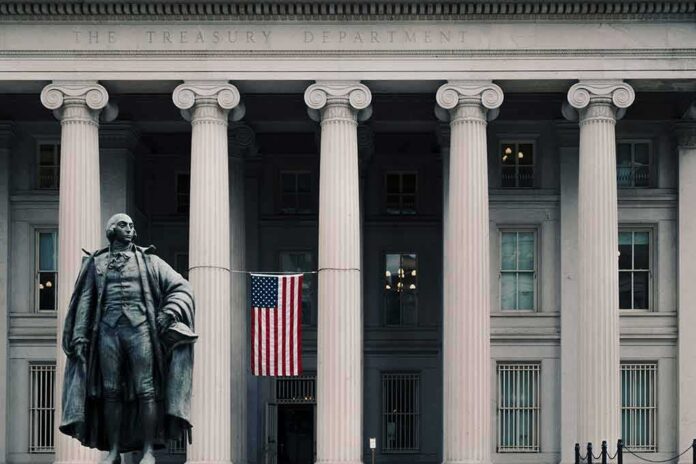
U.S. Treasury Secretary Scott Bessent relocated from his home to a military base after reported Iranian threats to his life, underscoring how far Tehran’s intimidation campaign now reaches.
Story Highlights
- The New York Times reported Bessent moved to a U.S. military base after Iranian threats.
- Treasury said Bessent will not be deterred as he drives sanctions against Iran’s economy.
- Officials recently assessed Iranian plotting against U.S. figures had advanced.
- Other outlets echoed the report; some details remain undisclosed for security.
What Happened: Bessent Relocated For Security After Iran Threats
The New York Times reported on November 10 that Treasury Secretary Scott Bessent left his residence and moved onto a U.S. military base after threats tied to Iran. The report cited three people with knowledge of the matter. A Treasury spokesperson said Bessent would not be deterred by the Iranian regime’s threats and would continue his work targeting Iran’s economy. The report did not name the base or timing of the move, reflecting operational security limits.
Separate coverage by international outlets repeated the relocation account and linked it to the same Times reporting. The Straits Times summarized that a senior Trump administration intelligence official had warned in late October that lethal plots by Tehran against Americans had reached advanced stages, providing broader context to the protective step. The severity of the threat in Bessent’s case was not publicly detailed, but the move signaled that authorities judged the risk credible enough to act.
Why It Matters: Sanctions Pressure And Iranian Targeting
Treasury leads economic pressure on Iran, and Bessent has been central to sanctions and financial actions that squeeze Tehran’s revenue. Those measures hit the regime’s cash flow and its terror proxies, which rely on funds routed through global networks. Iranian actors have a history of threatening American officials connected to hardline policy, including those tied to the 2020 strike on Qassem Soleimani. Security decisions like this aim to keep key officials safe so policy can continue without fear.
Public reporting has also documented that former officials associated with Iran policy have received government-funded protection due to credible threats. Decisions occur case by case, based on intelligence and risk. When a threat moves from chatter to planning indicators, security teams escalate. That can include relocations to hardened sites. These are not political stunts; they are force-protection choices used when lives may be at risk and missions must continue without pause.
How Protection Works: Threat Assessment And Rapid Mitigation
The United States Secret Service and partner agencies use protective intelligence and threat assessments to prevent targeted violence. The government’s own guidance explains that teams analyze behavior, intent, and capability to decide when to harden targets or relocate principals. When indicators rise, authorities move fast and keep details tight to deny an attacker useful information. That likely explains why the base and timing were not disclosed in open reporting.
Behavioral threat assessment guidance from the United States Secret Service says teams should coordinate across law enforcement partners to secure people and places at risk. That includes protective housing, controlled perimeters, and layered security. These steps protect the official and the mission. In this case, the mission is financial pressure on an adversary state that seeks to harm Americans and undermine U.S. interests. Keeping Bessent safe protects that leverage and signals resolve to Tehran.
The Bigger Picture: Deterrence, Resolve, And Constitutional Duty
President Trump’s administration has pledged to hold state sponsors of terror to account and to protect American officials at home. The reported threats against a Cabinet member underline why strong borders, strong intelligence, and energy independence matter to national security. Economic sanctions work only if the people enforcing them are alive, safe, and able to do the job. Relocation to a military base shows the government will shield its servants while keeping pressure on Iran’s networks.
Treasury Secretary Scott Bessent moved with his family to a military base after Iranian threats against his life, per the NYT and a senior official. Treasury says he will not be deterred.
Sources: https://t.co/7dbvCvp6oc#Iran #Treasury #Bessent #PerpSignalDesk pic.twitter.com/wdESkEpOeE
— PerpSignal Desk (@PerpSignalDesk) November 11, 2026
Some specifics about the threat and the protective authority remain undisclosed in public reports, reflecting security and classification limits. But the core facts are clear: multiple outlets report that Bessent moved to a base after Iranian threats, and Treasury says he will not be deterred. That is the right posture. America cannot allow foreign thugs to dictate our policy or threaten our families. The work continues, and so does the protection that makes it possible.
Sources:
facebook.com, israelnationalnews.com, straitstimes.com, indiatoday.in