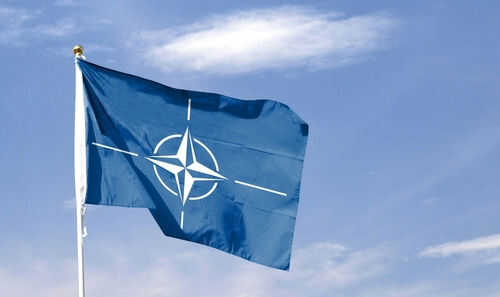
As President Trump lands in Ankara for the 2026 NATO Summit, he is pressing European allies to boost defense spending and deepen ties with Turkey while putting American taxpayers first.
Story Snapshot
- Trump arrives in Turkey as NATO leaders meet on a historic 5% defense spending drive that he pushed for.
- Allies face pressure to turn paper pledges into real hardware, jobs, and security instead of empty promises.
- Turkey’s role as host highlights growing U.S.–Turkey defense trade and talks over advanced fighter jets.
- Conservatives see a chance to end free-riding in Europe and refocus NATO on hard power, not globalist agendas.
Trump’s Ankara Arrival And The Stakes For NATO
President Donald Trump touched down in Ankara as heads of state gather for the 2026 North Atlantic Treaty Organization (NATO) summit, hosted at Turkey’s presidential complex on July 7–8. This is only the second time Turkey has hosted such a meeting, underscoring its growing importance inside the alliance. Leaders are under pressure to show they are serious about defense, not just warm words. The summit agenda centers on money, weapons production, and support for Ukraine.
NATO officials say the Ankara gathering is about turning the huge promises made last year into “concrete results” on spending and industry. After decades of the United States carrying most of the load, allies now face a historic benchmark: a five percent of gross domestic product defense investment plan, agreed at The Hague in 2025 and now baked into NATO policy. For many European governments used to underfunding their militaries, this marks a sharp break from business as usual.
The 5 Percent Push: Ending Europe’s Free Ride
NATO members previously promised to spend two percent of national output on defense back in 2014, a goal many ignored until recent years. Under Trump’s pressure, leaders in The Hague accepted a far tougher pledge: by 2035, each ally aims to spend five percent of its economy on defense and related security needs, with about 3.5 percent on core forces and 1.5 percent on things like critical infrastructure and cyber protection. Analysts call this a historic shift that will greatly expand European military capacity if governments follow through.
For American conservatives, the logic is simple: if Europe wants U.S. protection, Europe must finally pay up. The United States already remains the largest single contributor to alliance defense, and Trump has repeatedly blasted past free-riding. Now, instead of begging for fairness, his administration is tying high expectations to real economic opportunity. European countries buying modern systems from American companies turn burden-sharing into jobs and investment back home, not foreign aid giveaways. That approach contrasts sharply with earlier years when Washington often footed the bill while others delayed.
Turkey’s Pivotal Role And The Fighter Jet Question
Turkey’s status as summit host reflects its central role on NATO’s southern flank, from the Black Sea to the Middle East. Turkish ship and drone makers have become key players in alliance defense production, building platforms and weapons that already work with European partners. Ankara is also pushing for deeper cooperation with Gulf states through the Istanbul Cooperation Initiative, expanding defense planning and counterterror work with partners like Qatar and the United Arab Emirates. These moves fit Trump’s call for regional powers to shoulder more of their own security.
Defense ties between Washington and Ankara have long centered on aircraft sales and industrial partnerships. Turkey has produced parts for advanced U.S. fighter programs, including components for the F-35 airframe. Trump and President Recep Tayyip Erdogan have repeatedly discussed fighter sales in previous meetings, with Trump voicing support for Turkey’s interest in both F-16 and F-35 jets as broader disputes get resolved. As NATO now focuses on higher readiness and new regional defense plans, integrating Turkey more deeply into European security architecture through practical defense-industrial collaboration is a key theme of this summit.
From Talk To Hardware: Defense Industry And Ukraine
NATO planners stress that there is “no strong defence without a strong defence industry,” and the Ankara summit runs alongside a Defense Industry Forum in the city. That forum brings together national leaders, military officials, and industry executives to discuss how the new five percent spending can fund more ammunition, air defense systems, and joint procurement across the alliance. Focus areas include scaling up production lines, dispersing stockpiles, and hardening infrastructure so NATO can handle long wars, not short crises.
LIVE REPLAY: President Trump Arrives in Turkey for the 2026 NATO Summit … https://t.co/BLcdL8cEau via @YouTube
— Captain Celluloid (@CCelluloid55) July 7, 2026
Ukraine remains a central driver behind these choices. At the prior summit, allies created new structures to coordinate security assistance and training for Ukrainian forces and pledged at least forty billion euros in support for the coming year. Experts say meeting the five percent pledge is critical to keep ammunition flowing, maintain air and missile defense, and sustain Europe’s role as first responder if Russia tests NATO’s resolve. For Trump supporters, the message is clear: robust deterrence now is cheaper than a wider war later, and it works best when America leads from strength while allies finally carry their share.
Sources:
facebook.com, nato.int, ussc.edu.au, youtube.com, csis.org, war.gov, foxnews.com, thefulcrum.us