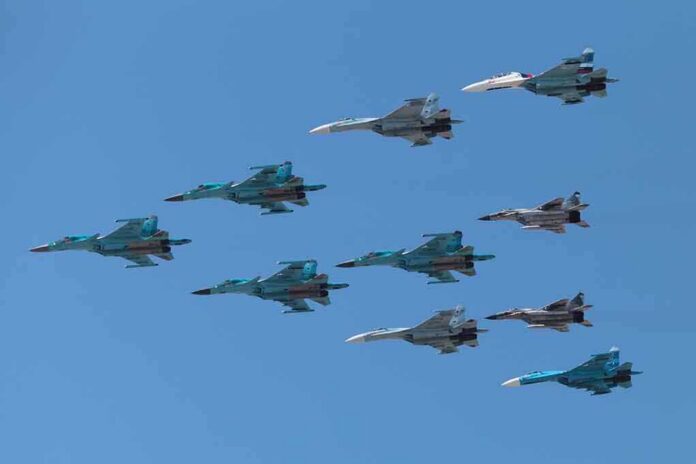
President Trump ordered a sharp pullback of U.S.–South Korea military drills to cut costs and avoid “hostile” signals toward North Korea.
Story Snapshot
- Trump told Secretary of War Pete Hegseth to “substantially reduce” joint drills with South Korea.
- The president called the exercises “costly” and said there was “no reason” to spend more on them.
- The reduction targets the Ulchi Freedom Shield period, scheduled for August 17–27.
- Officials described planned scenarios like counter-drone and cyber threats before the cut.
Trump’s Instruction And Stated Rationale
President Trump said on August 16 that he instructed Secretary of War Pete Hegseth to “substantially reduce” joint U.S.–South Korea military exercises. Trump argued the drills were costly and unnecessary, and he added that the events sent the wrong signal to North Korea. He said North Korean leader Kim Jong Un had been respectful during his time in office. The public statement set the policy direction before the scheduled training began the next day.
Trump also linked the decision to dollars and cents. He said there was no reason to spend large sums on these exercises. He has long criticized open-ended spending on overseas missions that do not serve a clear U.S. interest. Supporters will see this as guarding taxpayer money and focusing on core defense needs. Detractors may argue training is worth the cost. The White House and past reporting have framed similar moves as budget-minded choices.
What Was Planned For Ulchi Freedom Shield
Before Trump’s order, U.S. and South Korean forces planned the Ulchi Freedom Shield period for August 17 to 27. The training package included counter-drone drills, responses to satellite navigation disruptions, and cyberattack scenarios. Reports also described live-fire precision targeting and river-crossing practice. South Korea expected about 18,000 of its troops to participate across the eleven-day schedule. These events aimed to refine readiness for fast-moving threats on the peninsula.
South Korea and the United States have used combined exercises for decades to train and deter aggression. The scope and timing often shift with the security climate. Analysts note that scaling drills up or down has been used to manage risk and support diplomacy. Research also shows no single formula fits every moment. Adjustments can reassure allies, ease tensions, or harden resolve, depending on how they are designed and when they occur.
Signal To North Korea And Alliance Considerations
Trump said large drills can look “hostile” and send the wrong message to Pyongyang. North Korea often condemns joint exercises as a threat, and it criticized the planned August drills days before the announcement. The president’s team argues that a smaller footprint can lower tensions without weakening America’s resolve. That view treats training as one tool among many, including diplomacy and targeted shows of strength when needed.
US President Donald Trump announced the scaling back of annual military drills with South Korea, just a day before they were set to begin. Pyongyang has long condemned these exercises as invasion rehearsals, complicating the diplomatic landscape. #SouthKorea pic.twitter.com/apIQWRJqDK
— WW3 Watchtower (@WW3Watchtower) August 17, 2026
The administration has not released a public cost sheet or a detailed cut list yet. The president’s instruction did not specify which events would shrink or by how much. Military commands often refine scope on short timelines. That means implementation details can follow after a policy call. What is clear is the direction: spend less on large, routine drills and reduce signals that could raise friction, while keeping the force ready for real threats.
How This Fits A Long Pattern
Combined training on the peninsula has long served three missions at once: readiness, signaling, and bargaining leverage. That mix can cause instant debate when leaders change the size or tempo of drills. Studies and past experience show that reductions can create space for talks, while steady training protects skills. The right balance depends on current risk, available technology, and how both sides read each other’s moves at the time.
What Conservatives Should Watch Next
Taxpayers should look for clear guidance from the Pentagon on the final drill package. Clarity on what was reduced and what remained will show how much money this saves and how it protects readiness. Watch for joint statements with Seoul to confirm allied alignment. Look for any North Korean moves in response. These markers will tell us whether this trim preserved deterrence while cutting waste, which is the goal of the president’s order.
Sources:
internazionale.it, reuters.com, axios.com, bloomberg.com