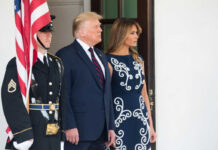
With Nigeria’s security crumbling and Christians facing brutal persecution, President Trump considers military intervention.
Story Highlights
- Nigeria declares a national security emergency amid a surge in kidnappings.
- The Trump administration threatens intervention over alleged Christian persecution.
- Nigeria’s diplomatic response hindered by unfilled ambassadorial posts.
- Mass kidnappings continue, with over 265 children still missing.
Mass Kidnappings Create Crisis in Nigeria
On November 26, 2025, Nigerian President Bola Tinubu declared a national security emergency following a severe escalation in mass kidnappings across the nation. The immediate trigger was the abduction of over 315 school children and teachers from a Catholic school in Niger State, leaving more than 265 still missing. This marks the most significant crisis of Tinubu’s presidency, as the country struggles with systemic security failures and rampant criminal activity.
The kidnappings have exposed the vulnerabilities in Nigeria’s security system, prompting public outrage and international concern. Armed groups, including Boko Haram and the Islamic State of West Africa Province (ISWAP), are blamed for the attacks, which have terrorized communities and highlighted the government’s inability to protect its citizens. The lack of adequate security forces in rural areas allows these criminal gangs to operate with relative impunity.
Watch: https://www.youtube.com/watch?v=psoGLxN9NUc
International Pressure and Diplomatic Challenges
The crisis has drawn the attention of the Trump administration, which has threatened sanctions and military intervention over allegations of systematic Christian persecution in Nigeria. President Trump’s administration has targeted Nigeria with accusations of ignoring religious violence, a claim the Nigerian government disputes. This international pressure has further complicated the situation, straining US-Nigeria diplomatic relations.
Compounding the crisis, Nigeria’s diplomatic efforts have been hampered by a lack of representation in Washington. For two years, key ambassadorial positions remained unfilled, leaving Nigeria vulnerable to international criticism and without the means to effectively counter US allegations. Recent appointments aim to fill this gap, but the damage has already impacted Nigeria’s foreign relations.
Security Measures and Long-Term Implications
In response to the crisis, President Tinubu announced a series of security measures, including deploying additional military personnel to troubled regions and recruiting 50,000 new police officers. However, these initiatives face significant challenges due to funding constraints and the need for rapid training and deployment. Critics argue that these measures merely replicate past efforts without addressing the root causes of insecurity, such as poverty and corruption.
While the emergency declaration signals a commitment to tackling the crisis, its success hinges on effective execution and legislative support. The international dimension of the crisis, driven by allegations of Christian persecution, has elevated a domestic security issue into a global concern with potential long-term implications for Nigeria’s diplomatic standing.
Nigeria’s President Declares Security Emergency Amid Slaughter Of Christianshttps://t.co/S8jLYJwVdc
— Undergroundnotes (@Undergroundnot5) November 28, 2025
As the situation unfolds, it remains uncertain whether the emergency measures will lead to tangible improvements in security. The ongoing kidnappings and violence underscore the need for strategic innovation and comprehensive reforms to restore peace and stability in Nigeria.
Sources:
Nigeria declares security emergency and names diplomats amid US tensions
Nigerian president declares emergency amid Christian genocide claims
Nigeria declares nationwide security emergency