America stands at the brink of a generational loss as World War II veterans—once the backbone of family and national memory—vanish into history.
Story Snapshot
- Fewer than 0.5% of WWII veterans remain alive in 2025, marking an irreversible shift in living memory.
- Museums and families race against time to preserve firsthand stories and artifacts before they are lost forever.
- This transition jeopardizes the intergenerational transfer of values, patriotism, and historical context central to American identity.
- National commemorations highlight the urgency, but institutional and grassroots efforts face unprecedented challenges.
The Vanishing Generation: How WWII Veterans’ Decline Impacts American Memory
By 2025, fewer than 66,000 World War II veterans will remain in the United States, representing less than 0.5% of the original 16.4 million who served. The rapid decline in this population marks a pivotal moment for American society, as firsthand recollections of the war fade into archival records. For conservative families who grew up surrounded by veterans, this loss is more than statistical—it signals the diminishing of direct connections to the values, sacrifices, and historic lessons that helped shape the nation’s moral compass.
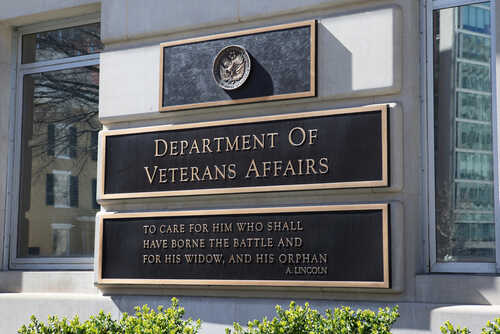
The cultural shift is evident in communities across the country. Where once nearly every family boasted a father, uncle, or neighbor who served in WWII or Korea, today’s neighborhoods rarely include a living veteran from those conflicts. The Department of Veterans Affairs projects that by the 80th anniversary of the war’s end, firsthand accounts will be nearly extinct, replaced by secondary narratives and digital archives. This transition raises urgent questions about how the nation will continue to honor, teach, and understand its past without living witnesses to anchor the collective memory.
Watch: Less than 1% of WW2 veterans are still alive. Meet two neighbors in Green Township.
https://www.youtube.com/watch?v=Oln_YIdZQHw
Museums and Families: The New Guardians of History
Museums like the National WWII Museum have intensified efforts to preserve veterans’ stories, launching oral history projects, artifact drives, and educational initiatives. These institutions, alongside families who safeguard personal artifacts and stories, now bear the primary responsibility for transmitting the legacy of WWII. Grassroots remembrance—local ceremonies, family traditions, and community displays—remains vital for sustaining patriotism and historical awareness outside formal settings.
This generational shift also affects policy debates and public attitudes. As living veterans disappear, the focus of veteran issues moves toward younger generations—Vietnam, Gulf War, and post-9/11 veterans—potentially diluting the unique lessons of WWII. The loss of direct intergenerational transmission of values risks leaving future Americans with a weakened sense of the struggle for freedom, the cost of defending the Constitution, and the importance of resisting foreign and domestic threats to liberty.
Commemoration, Urgency, and the End of an Era
The 81st anniversary of D-Day in June 2025 saw nationwide commemorations, underscoring the urgency to capture remaining stories before they vanish. As Michael Bell, PhD, stated, “Members of the generation that fought the war and prevailed will soon no longer be able to tell their own story. It is our responsibility to preserve their memories and share their stories with the next generations.” The shift from living memory to archival record changes how WWII is taught, commemorated, and understood, compelling families, educators, and institutions to adapt their approaches to history.
Economically, museums and heritage organizations may experience increased funding and visitation as public interest peaks, but they also face the daunting task of cataloging and curating a flood of materials before it is too late. Socially, communities lose direct links to patriotism, resilience, and traditional family values embodied by the WWII generation.
Sources:
Latest VA Projection Reveals Rate of WWII’s Fade from Living Memory
Mapped: Where WWII Veterans Live
Who Are the Nation’s Veterans?