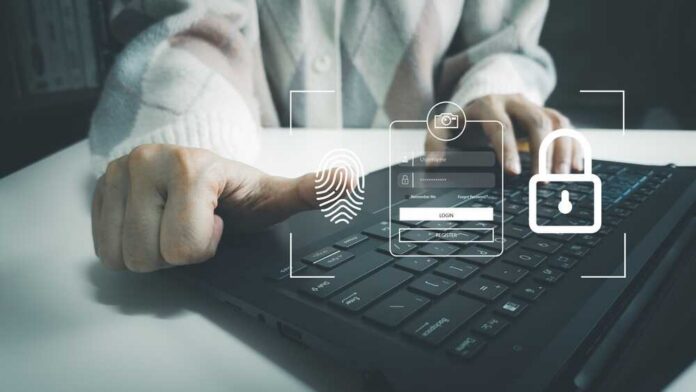
Government-mandated KYC rules meant to stop crime have handed criminals a permanent treasure trove of Americans’ biometric data they can’t change or revoke.
Story Snapshot
- Regulators forced banks and crypto platforms to collect face scans and biometrics, creating massive databases now hacked and sold on Telegram.
- Stolen biometric templates enable fraud forever since victims can’t “reset” their face like a password.
- 22 Telegram channels sell bypass kits, fueling identity theft and money laundering despite KYC’s anti-crime intent.
- Africa hit hardest with 16% biometric fraud rate in 2024; U.S. users face similar risks from breaches like Upbit’s 9.6 million records.
KYC Mandates Backfire into Biometric Goldmine
Regulators imposed KYC requirements on banks, crypto exchanges, and fintech apps to combat money laundering and terrorism financing. These rules demand collection of face scans, ID photos, and biometric templates from customers. Financial institutions complied by building centralized databases of this sensitive data. Criminals now target these repositories through breaches and insider theft. The result undermines the regulations’ core purpose, exposing everyday Americans to unending identity risks. This overreach exemplifies federal government failures that prioritize control over practical security.
Immutability Trap Leaves Americans Vulnerable Forever
Biometric data stands apart from passwords or credit cards because individuals cannot change it after theft. Once hackers obtain facial templates, they remain valuable indefinitely for impersonating victims. Reclaim The Net reports stolen KYC files power underground markets where fraudsters buy tools to bypass verification. Liveness detection fails against virtual cameras feeding deepfakes or photos. This permanent compromise erodes personal liberty, turning private traits into government-facilitated weapons for criminals. Conservatives rightly see this as deep state bungling that harms working families chasing the American Dream.
Breaches illustrate the scale. Kenya’s 2024 M-Tiba hack exposed 4.8 million biometrics. El Salvador saw massive headshot dumps. Upbit’s compromise of 9.6 million records carries $34 billion liability. These incidents prove centralized storage creates single points of catastrophic failure, with no recourse for victims.
Telegram Fraud Empire Thrives on Regulatory Blind Spots
MIT Technology Review identified 22 public Telegram channels in English, Chinese, and Vietnamese selling KYC bypass kits to thousands. Criminals advertise “seamless” services with demo videos, using virtual cameras and deepfakes to fool systems. Africa recorded 16% biometric fraud attempts in Q2 2024, the highest in three years. Chainalysis tracked $40.9 billion in 2024 illicit crypto flows, much laundered via weak KYC off-ramps. Financial institutions cut corners with cheap cameras and lax checks to speed onboarding, amplifying vulnerabilities.
Both conservatives frustrated by globalist overregulation and liberals wary of elite data grabs share outrage over this. Elected officials and bureaucrats seem more focused on compliance theater than protecting citizens from elite-fueled fraud empires. President Trump’s America First push demands reining in such federal excesses that empower criminals over patriots.
Permanent Damage Demands Limited Government Fix
Short-term, fraud surges as criminals open accounts with stolen identities, hitting banks and users. Long-term, proliferating templates doom future verifications, expanding the compromised pool with every new mandate. Crypto firms suffer most from rushed KYC without rechecks. Fintech stalls under breach liabilities. Trust in digital ID evaporates. Industry claims 72% fraud cuts “when properly implemented,” but cost-cutting shortcuts betray that promise. Users lack control, facing account takeovers without remedy. This regulatory paradox screams for scaling back intrusive mandates to restore individual sovereignty.
Sources:
How Biometric KYC Enables Secure, Fast, and Compliant Onboarding
How the KYC Mandate Became a Biometric Heist
MEXC Industry Report on Biometric Fraud
Europol Biometric Vulnerabilities
Resecurity: Massive Dump of Hacked Salvadorean Headshots and PII
Reestr Blog: Oracle Heist Shadow Duels 2025