

Idaho’s decision to ban “Everyone Is Welcome Here” signs in classrooms has ignited a national debate over whether welcoming messages are just that—or a Trojan horse for political indoctrination, leaving parents and teachers on high alert as the school year approaches.
At a Glance
- Idaho’s HB 41 law prohibits political and ideological displays in public school classrooms, including “Everyone Is Welcome Here” signs.
- The law’s broad language and lack of definitions have left educators confused and concerned about what is allowed.
- The controversy began with a teacher’s refusal to remove inclusive signs, which led to her resignation and national attention.
- Supporters say the law restores parental rights and stops classroom activism; critics argue it harms inclusivity and free speech.
Idaho Draws the Line: “Welcome” Signs or Woke Indoctrination?
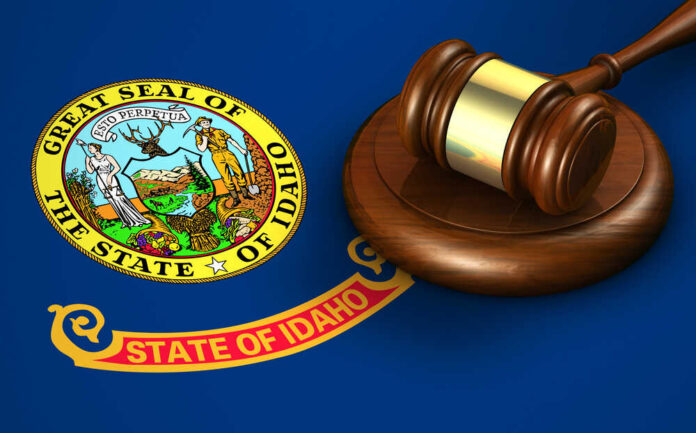
Idaho has become the latest battleground in the national tug-of-war over what belongs on classroom walls. The state’s new law, HB 41, bans political and ideological messages—including the now-infamous “Everyone Is Welcome Here” signs.
Idaho welcomes every child and always should. But parents and the public know the difference between education and political indoctrination.
The “All Are Welcome” sign that has been adopted to push a social agenda, is no different than a “Make America Great Again” sign. Both are… pic.twitter.com/lnGHeEt2Gu
— Attorney General Raúl R. Labrador (@Raul_Labrador) July 1, 2025
On paper, it sounds like a common-sense move: keep politics out of the classroom and let teachers focus on reading, writing, and arithmetic. But as always, the reality is more complicated, and the fallout more dramatic. The law landed after a teacher in Meridian refused to permanently remove signs she felt sent a positive message, only to find herself at the center of a firestorm and ultimately out of a job. The state’s move has been hailed by parents tired of activist educators, while the usual suspects in the media and unions are howling about “suppression” and “harm” to students. The irony? All this fuss over a sign that, on its face, claims to welcome everyone—unless, of course, you’re a parent who wants schools to stick to the basics.
The West Ada School District, home to the original controversy, is now tasked with enforcing a law that offers no concrete guidance on what’s “political” or “ideological.” The Idaho Department of Education’s guidance only muddied the waters, reiterating that all displays expressing opinions, beliefs, or emotions—on politics, society, faith, or economics—are off-limits. Teachers are now left guessing whether a rainbow sticker, a Black History Month poster, or even a “Be Kind” sign could land them in hot water. Some are already self-censoring, and reports of resignations are trickling in. Parents, meanwhile, are split, with some grateful for the return of academic focus and others lamenting the loss of visible affirmations for minority students.
Watch a report: The new Idaho law, House Bill 41, goes into effect on July 1
Confusion, Resignations, and a Chilling Effect in the Classroom
Teachers throughout Idaho are now in limbo. The law’s intentionally vague language and the Attorney General’s refusal to define what actually counts as “political” or “ideological” have created an environment of uncertainty. Some educators have already resigned, unwilling to risk their jobs over a classroom sign. Others are tiptoeing around bulletin boards, taking down anything that could possibly be construed as a violation. The chilling effect is real: when you don’t know what the rules are, you play it safe—and students lose out on a once-vibrant classroom culture. Critics argue this is the point; supporters say it’s overdue. Either way, the message from Idaho’s government is clear: if you want to push activism in the classroom, you’d better think again.
National Ramifications: Idaho Sets the Tone for the Country
The implications of HB 41 stretch far beyond Idaho’s borders. Other conservative-led states are watching closely, considering similar bills that would keep activist messaging out of classrooms and return control to parents and local communities. Supporters say Idaho is simply restoring common sense and protecting children from one-sided indoctrination; critics claim the law stifles inclusivity and harms vulnerable students. The debate has become a microcosm of the larger cultural conflict dividing the nation: who decides what values schools should promote—parents or bureaucrats? Idaho’s answer is clear, and it’s setting the stage for similar moves nationwide.
As the new school year looms, one thing is certain: teachers, parents, and students in Idaho are about to find out just how far the state will go to keep politics out of the classroom—and whether a simple “welcome” sign is ever just that.