

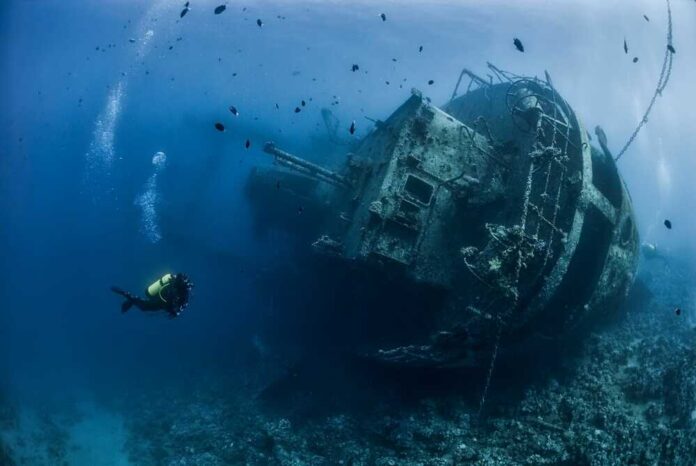
A stunning discovery off Florida’s coast has unearthed over $1 million in treasure, echoing a historic maritime loss and offering new insights into our colonial past.
Quick Take
- Treasure worth over $1 million found in 1715 shipwreck off Florida.
- Over 1,000 gold and silver coins recovered, highlighting historical significance.
- Recovery led by Queens Jewels, LLC, with exclusive salvage rights.
- Exhibitions planned for public viewing post-conservation.
Historic Discovery: A Treasure Trove Unearthed
In the summer of 2025, Capt. Levin Shavers and his crew aboard the M/V Just Right made a remarkable discovery in the waters off Florida’s Treasure Coast. Over 1,000 gold and silver coins were recovered from the wreck of a Spanish ship that sank in 1715. The estimated value of this treasure is around $1 million, making it one of the most significant finds in recent years. The coins, found in excellent condition, include rare gold “Escudos” and silver “Reales” with visible dates and mint marks.
The discovery was orchestrated by Queens Jewels, LLC, who hold the exclusive rights to salvage the 1715 Treasure Fleet. This fleet, laden with wealth from the New World to Spain, was lost in a hurricane, resulting in one of history’s largest maritime disasters. The ongoing efforts of Queens Jewels under stringent state guidelines ensure both the preservation and historical significance of such finds are upheld.
Watch: Crew finds $1 million worth silver, gold coins on 300-year-old shipwreck in Florida
The Treasure Coast and Its Rich History
Florida’s “Treasure Coast,” named for frequent discoveries from the 1715 fleet, spans Indian River, St. Lucie, and Martin counties. This area is renowned for its rich maritime archaeology and the allure of treasure hunting. The latest find by Queens Jewels adds another chapter to the storied history of the region. Numerous smaller discoveries have been made over the decades, but the scale and preservation of this recent find stand out.
Historically, the region has seen both legal and illegal salvage operations, sparking debates over artifact ownership and the preservation of cultural heritage. These discussions remain crucial as each discovery brings new artifacts to light, offering insights into the colonial era’s maritime trade practices.
Impact and Implications of the Discovery
The short-term impact of this discovery is likely to be a surge in public interest in maritime history and treasure hunting, potentially boosting local tourism. Museums in the area are already planning exhibitions to display these artifacts once conservation is complete. In the long run, the find enhances our understanding of Spanish colonial maritime trade and could spur further discoveries.
Beyond the economic benefits, this discovery emphasizes the importance of responsible artifact recovery and conservation. It also highlights the ongoing regulatory scrutiny involved in managing cultural heritage, balancing private salvage rights with public interest. The story of the 1715 fleet continues to captivate, reminding us of the historical treasures that still lie beneath the waves.
Sources: