A Chinese researcher’s alleged smuggling of E. coli strains into the U.S. threatens national security and agricultural stability.
Story Snapshot
- Chinese researcher Youhuang Xiang charged with smuggling E. coli into the U.S.
- FBI highlights national security risks and agricultural threats.
- The incident reflects broader concerns over bio-smuggling by foreign nationals.
- Heightened scrutiny on J-1 visa holders and research compliance.
Allegations of E. Coli Smuggling
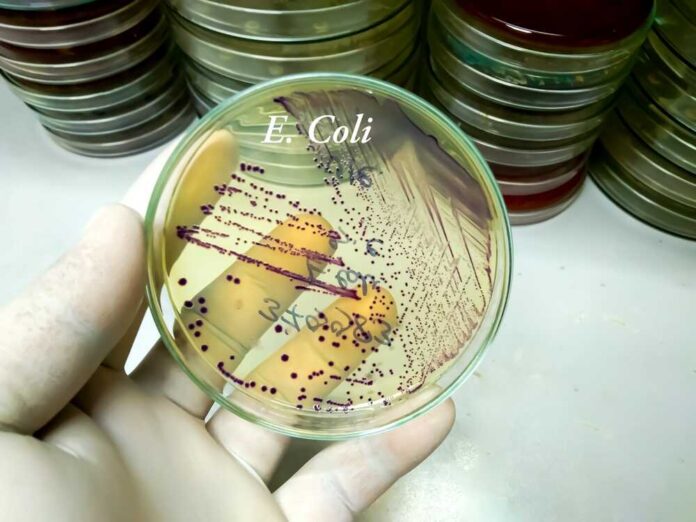
The FBI has charged Youhuang Xiang, a Chinese national and post-doctoral researcher on a J-1 visa, with smuggling Escherichia coli strains into the U.S. without proper authorization. According to the FBI, Xiang circumvented U.S. import laws by arranging for the E. coli strains to be concealed in a package sent from China. This action allegedly violated federal regulations requiring permits for such biological materials. The incident underscores the persistent threat of bio-smuggling by foreign researchers.
FBI Director Kash Patel emphasized the potential risks associated with the improper handling of E. coli, noting the possible devastating impact on U.S. crops and the economy. Patel’s public disclosure of the case aligns with a broader effort to highlight the dangers posed by foreign nationals who allegedly bypass U.S. laws. The case has drawn attention to the need for universities to tighten compliance and ensure that researchers follow appropriate import/export protocols.
Watch: https://youtu.be/94V0_hfCngU?si=pOqqm0KPchGZFDzB
National Security and Biosecurity Concerns
This case is part of a larger pattern of incidents involving foreign researchers smuggling biological materials into the United States. Previous cases, such as the smuggling of roundworm-related materials by Chinese nationals in Michigan and unpermitted frog embryos by a Russian researcher at Harvard, have raised alarms about the potential misuse of research visas. These incidents highlight vulnerabilities in the U.S. research environment and the ongoing need for vigilance.
By publicly announcing these charges, the FBI aims to deter similar activities and encourage compliance among research institutions. The involvement of the U.S. Customs and Border Protection in detecting the smuggled E. coli further illustrates the collaborative efforts of federal agencies to protect national security and agricultural interests.
FBI Nails Chinese Researcher in E. Coli Smuggling Bust https://t.co/oAT6F82cn9
— Heather O'Brien Pronouns: Told/You/So 🐰 #🟦 IFBAP (@Heat005498) December 19, 2025
Implications for Research and Compliance
The charges against Xiang are expected to result in heightened scrutiny of foreign researchers, particularly those on J-1 visas, who work in sensitive lab settings. There may be a chilling effect on international collaborations, especially between the U.S. and China in the life sciences sector. Universities may need to bolster their compliance mechanisms, including staff training and auditing of biological material imports, to prevent similar incidents.
In the short term, Xiang faces potential criminal penalties, financial repercussions, and likely deportation if convicted. His employing university may also undergo increased federal scrutiny regarding its biosafety and import controls. The case serves as a warning to other institutions about the importance of adhering to strict import regulations to protect both national security and public health.
Sources:
Chinese researcher on US visa charged with smuggling E. coli into America, FBI says