A federal judge has curtailed the powers of ICE agents in Minneapolis, igniting a constitutional clash that resonates with conservative values.
Story Snapshot
- Judge Menendez restricts federal agents from using force on peaceful protesters in Minneapolis.
- Ruling follows protests over the shooting of Renee Good by an ICE agent.
- The Trump administration’s immigration surge faces judicial pushback.
- Local officials under federal investigation for alleged obstruction.
Judicial Intervention Limits ICE Tactics
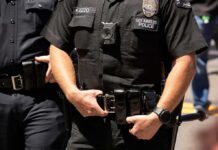
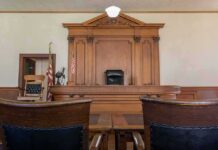
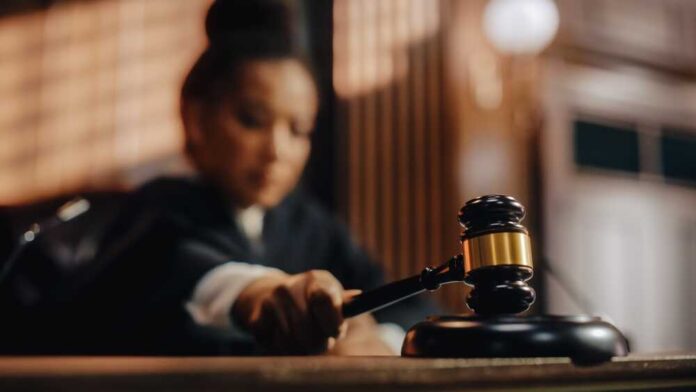
On January 16, 2026, U.S. District Judge Katherine Menendez issued an 83-page order prohibiting federal agents in Minneapolis from using pepper spray, nonlethal munitions, or arresting peaceful protesters. This decision emerged after the tragic shooting of Renee Good by an ICE agent, which triggered widespread protests. Judge Menendez’s ruling underscores the tension between federal immigration enforcement and First Amendment rights, particularly amidst the Trump administration’s intensified operations in Minnesota.
The judge’s order also prevents federal agents from stopping or detaining individuals without “reasonable articulable suspicion” of interference. Allegations presented in court included agents threatening to break car windows and following protesters home. Such actions, according to the judge, likely infringe on constitutional rights, marking a significant judicial check on executive power.
Watch: https://www.youtube.com/watch?v=fq7IcfRW8kg
Federal Government and Local Response
The Department of Homeland Security (DHS) defends the actions of its agents, asserting that they have used the minimum necessary force in response to “violent, obstructive behavior.” DHS Assistant Secretary Tricia McLaughlin stated that the agency is committed to upholding the rule of law, emphasizing the dangers posed by riotous behavior. Despite these claims, the ruling remains a legal barrier to their current tactics, potentially complicating enforcement efforts.
In parallel, the Justice Department has initiated investigations into Minnesota Governor Tim Walz and Minneapolis Mayor Jacob Frey, issuing grand jury subpoenas. Both officials have criticized these actions, with Governor Walz accusing the Trump administration of using the justice system as a political weapon. The clash highlights the broader conflict between federal and local authorities over immigration enforcement.
Impact and Future Implications
The immediate effect of the ruling is a restriction on federal law enforcement capabilities, potentially affecting the efficiency of immigration operations in Minneapolis. For protesters, the judgment offers legal protections, likely encouraging continued demonstrations. However, the limitations on federal tactics could escalate tensions if agents feel hindered in maintaining order.
Long-term, this case may set important legal precedents regarding the rights of mobile protest groups and the balance of power between federal enforcement and constitutional liberties. It also deepens the political divide, reflecting broader national debates over immigration policy and federal authority.
Sources:
Politico: ICE Minneapolis Arrests Judge Protests
CBS News: Judge Rules Federal Agents Can’t Arrest or Use Pepper Spray on Peaceful Protesters