President Trump publicly distanced the United States from Israel’s strike on Iran’s critical South Pars gas field while Prime Minister Netanyahu insisted the operation was conducted independently, exposing tensions as the 20-day conflict threatens to engulf Gulf energy infrastructure and drag America into a wider Middle Eastern war.
Story Highlights
- Israel struck over 200 Iranian military targets including the strategic South Pars gas field, halting production at the world’s largest natural gas reserve
- Trump denied US involvement in the gas field attack despite reports from American officials indicating coordination with Israeli forces
- Iran retaliated with missile barrages on Israeli cities and strikes on Gulf energy sites in Qatar, prompting Trump to threaten a “massive” US response
- The escalating conflict has sent global oil prices surging as Iran threatens broader attacks on regional energy infrastructure
Trump Denies US Role in Strategic Energy Strike
President Trump publicly rejected claims that the United States participated in Israel’s strike on Iran’s South Pars natural gas field in Bushehr province on March 19, 2026. Trump stated Israel “violently lashed out” but struck only a small portion of the facility, contradicting reports from US officials who indicated the operation involved American coordination. The South Pars field represents the world’s largest natural gas reserve, shared between Iran and Qatar, making it a critical energy hub. Trump’s denial highlights growing concern about America being drawn deeper into the conflict, though he simultaneously warned Iran of a “massive US response” if attacks on Gulf allies continue.
Israel Expands Multi-Front Campaign Against Iranian Assets
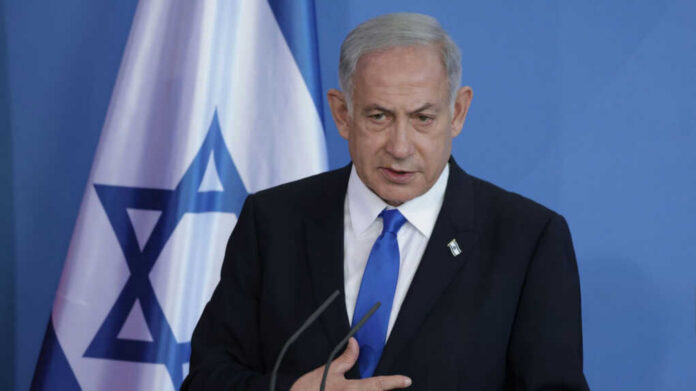
The Israeli Air Force executed strikes across multiple Iranian fronts on day 20 of the war, hitting naval vessels at Bandar Anzali port on the Caspian Sea and over 200 military installations throughout western and central Iran. Israeli forces targeted missile launchers, drone facilities, air defense systems, and weapons production sites in the most extensive operation since the conflict began approximately February 28, 2026. Prime Minister Netanyahu asserted Israel acted alone in the South Pars strike, rejecting suggestions that American forces participated. The IDF estimates Iranian damages exceed $20 billion, demonstrating Israel’s determination to degrade Tehran’s military capabilities and neutralize threats from Iranian-backed Hezbollah forces operating from Lebanon.
Iranian Retaliation Threatens Regional Energy Security
Iran responded to Israeli strikes with nationwide missile barrages targeting Israeli cities, including a deadly cluster munition attack on Haifa. Tehran escalated beyond Israeli targets by striking Qatar’s Ras Laffan energy facility, where a fire was brought under control, and issuing threats against Saudi Arabian infrastructure. Iranian media reported the South Pars strike halted production at the strategic gas field, prompting vows of widespread retaliation against Gulf energy sites. This expansion of targeting threatens global energy markets, which have seen oil prices surge on escalation fears. The multi-front nature of Iran’s response, combining direct attacks on Israel with strikes on Gulf allies, represents a dangerous widening of the conflict beyond the original Israel-Iran confrontation.
The Israeli Defense Forces maintained operations against Hezbollah in southern Lebanon, eliminating over 20 terrorists including Hassan Ali Marwan, the third commander of the Imam Hussein division killed since Operation Northern Arrows began. IDF ground forces have faced continuous rocket and mortar fire for 20 days while conducting tunnel demolitions in Gaza, destroying approximately five kilometers of underground infrastructure in two weeks. Despite these multi-front pressures, Israeli border farmers have shown resilience, with some expressing hope that the military will decisively eliminate Hezbollah threats. The coordinated nature of Iranian proxy attacks through Hezbollah, combined with direct Iranian missile strikes, demonstrates Tehran’s strategy of leveraging asymmetric warfare alongside conventional military responses.
Escalation Risks and Strategic Implications
The conflict’s expansion to include critical energy infrastructure raises alarming prospects for American intervention and global economic disruption. Trump’s threat of massive retaliation if Gulf allies face further attacks creates a tripwire for direct US military engagement, despite his administration’s apparent efforts to avoid deeper entanglement. No regime change goal has been confirmed for either Israeli or American strategy, suggesting the conflict could continue indefinitely without clear objectives. Diplomatic pressure from the United States and France for ceasefire talks has intensified, but Iran appears reluctant to negotiate while Israeli strikes continue degrading its military capabilities. The targeting of the South Pars field specifically demonstrates how modern conflicts between adversaries can quickly threaten neutral parties and global markets, underscoring the fragility of regional stability when energy infrastructure becomes a battlefield.
Sources:
Fox News: Analysis of US-Iran Escalation and Gulf Targeting