
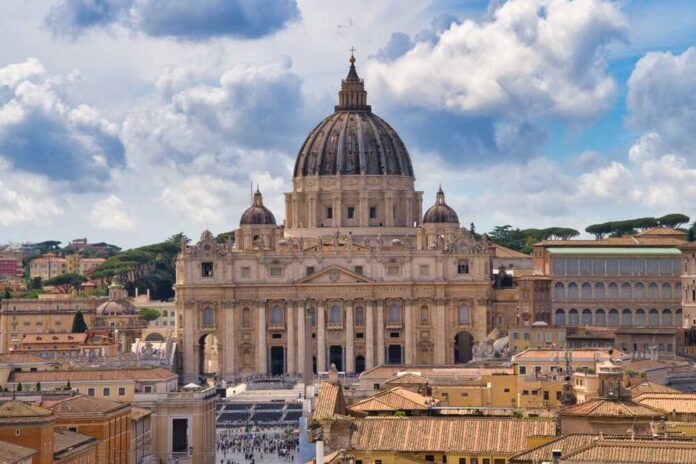
The Vatican is reportedly preparing mass excommunications against traditionalist Catholic clergy while simultaneously rolling out the red carpet for an Anglican female “archbishop,” exposing what many see as a glaring double standard in Rome’s enforcement of church discipline.
Story Snapshot
- Society of St. Pius X faces potential excommunication of all clergy over planned July 1 bishop consecrations without papal approval
- Vatican simultaneously welcomes Anglican Archbishop Sarah Mullally to Rome for prayers at papal tombs and meetings with Pope Leo XIV
- Traditionalist Catholics view the contrasting treatment as evidence of institutional bias favoring ecumenical progressivism over doctrinal orthodoxy
- SSPX Superior General proceeds with consecration plans despite warnings, citing ongoing moral crises within the Church
Vatican Prepares Sweeping Disciplinary Action Against Traditionalists
The Dicastery for the Doctrine of the Faith is drafting excommunication decrees targeting all Society of St. Pius X clergy if the organization proceeds with unauthorized episcopal consecrations scheduled for July 1, 2026. Bishop Bernard Fellay warned SSPX faithful in late April of a “very high probability” that excommunications would extend beyond the bishops being consecrated to affect the entire clerical membership. The planned response mirrors the 1988 action when Archbishop Marcel Lefebvre consecrated four bishops without papal mandate, triggering automatic excommunications that created a decades-long rift with Rome.
Ecumenical Honors Extended to Anglican Leader
While Rome prepares canonical sanctions against traditionalist Catholics, Pope Leo XIV welcomed Sarah Mullally, the female Anglican Archbishop of Canterbury, for a highly publicized ecumenical visit. Mullally prayed at the tombs of St. Peter and Pope Francis, preached at Anglican services in Rome, and toured major basilicas with Vatican officials present. Screenshots from her visit show her offering blessings in the Clementine Chapel with Archbishop Flavio Pace of the Dicastery for Promoting Christian Unity in attendance. The warm reception stands in stark contrast to the harsh disciplinary measures being prepared for SSPX clergy who maintain traditional Catholic positions.
Historical Precedent Shapes Current Crisis
The Society of St. Pius X was founded in 1970 by Archbishop Marcel Lefebvre to preserve traditional Catholic liturgy and doctrine following the Second Vatican Council’s reforms. The 1988 unauthorized consecrations resulted in excommunications that Pope Benedict XVI partially remitted in 2009, though the society’s irregular canonical status persisted. SSPX Superior General Fr. Davide Pagliarani announced the February 2026 consecration plans citing perceived doctrinal crises including ecclesial scandals and LGBTQ+ issues affecting the Church. The organization views the planned July consecrations as necessary for succession and preservation of traditional Catholic teaching amid what they consider modernist drift in Rome.
Concerns Over Selective Enforcement of Church Discipline
The simultaneous honoring of Mullally and threatening of SSPX excommunications has intensified perceptions among traditionalist Catholics of institutional double standards. Critics note the Vatican’s “pastoral discernment” approach toward controversial matters like German bishops’ blessings of same-sex unions contrasts sharply with the “spiritual death penalty” being prepared for priests who maintain pre-Vatican II liturgical and doctrinal positions. The juxtaposition raises questions about whether Rome’s ecumenical priorities have superseded concerns about doctrinal consistency and canonical authority. For ordinary Catholics watching these developments, the message appears clear: challenge progressive innovations and face severe sanctions, but participate in ecumenical dialogue regardless of theological differences and receive Vatican acclaim.
Implications for Catholic Unity and Authority
The potential mass excommunication of SSPX clergy would represent the most significant schism declaration since 1988, formally isolating thousands of traditionalist priests and the faithful who attend their chapels. Bishop Fellay’s warnings suggest many SSPX members face difficult decisions between loyalty to their organization and canonical standing with Rome. The confrontation highlights deeper tensions within Catholicism between those who embrace post-Vatican II reforms and ecumenical outreach versus those who view such changes as departures from immutable doctrine. Whether this represents Rome enforcing necessary discipline or punishing theological dissent while tolerating progressive experimentation depends largely on one’s perspective regarding the proper role of tradition and authority in the Church’s ongoing mission.
Sources:
Bishop Fellay Warns SSPX Faithful Over Possible Excommunication