

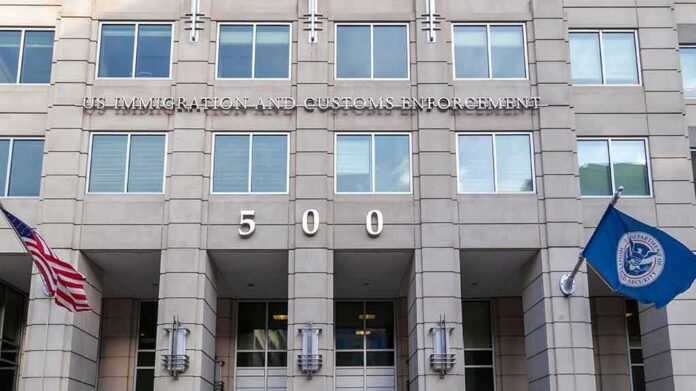
A new Trump rule now routes many asylum claims straight to court to cut the backlog and stop abuse.
Story Highlights
- The rule sends some affirmative asylum cases directly to immigration court, skipping the first interview.
- Officials say the change speeds valid claims and frees officers to focus on stronger cases.
- Courts have both blocked and allowed Trump-era asylum limits, so legal tests may follow.
- The Supreme Court has upheld tighter front-end border controls in related cases.
What Changed And Why It Matters
The Department of Homeland Security and the Department of Justice issued an interim final rule that diverts certain asylum applications from the first interview stage to immigration court. Agencies say this triage targets weaker or procedurally misrouted claims and reserves interview time for stronger cases more likely to meet the law’s standard. The move takes effect immediately. The goal is faster results, less backlog, and fewer incentives for frivolous filings that clog the system and burden taxpayers.
President Trump has argued that front-end screening must be tougher and faster to restore order at the southern border. This rule fits that pattern by tightening the early steps, where delays often stretch for years. Supporters say court referral pushes cases to a judge sooner, cutting the wait that draws more migrants to file weak claims. They also say faster denials deter cartels that sell false promises of easy entry through asylum loopholes.
How The New Path Works Day-To-Day
Under the prior setup, many affirmative cases started with an interview at United States Citizenship and Immigration Services. Now, cases that meet listed criteria will bypass that interview and head to an immigration judge. Government lawyers will present evidence, and applicants can bring counsel. That shift concentrates trained asylum officers on stronger claims and national security vetting. It also puts more weak or non-qualifying cases on a faster track to a final answer, which can include removal if the claim fails the legal test.
Agencies frame this as common-sense triage. Hospitals triage patients to save lives; immigration offices can triage files to save time. The law still sets the bar: a person must show a well-founded fear of persecution for narrow reasons. The rule does not rewrite that standard. It changes who sees the case first and how fast. That matters because delay itself has become a magnet, rewarding illegal entry with years of work and benefits before any final decision is made.
Legal Landscape: Wins, Setbacks, And What’s Next
The Trump team has a mixed record in court on asylum controls. The Supreme Court allowed tougher front-end limits at the border in a six-to-three ruling, confirming that the government may stop entry and turn back would-be applicants before they set foot in the country. That precedent supports tighter gatekeeping and faster screening on the front end. It signals that firm management at the border can stand when it tracks the statute and due process.
At the same time, appeals courts have struck down other broad suspensions of asylum access, saying the president cannot close asylum that Congress created in law. That history suggests this new rule could see challenges. The issue usually turns on where the line is drawn, who makes early calls, and whether the process protects the right to seek asylum as Congress wrote it. The administration says this rule respects the statute while fixing delay and gamesmanship that strain communities and budgets.
What It Means For Security, Sovereignty, And Fairness
Border communities bear the cost when weak claims take years to resolve. Local schools, hospitals, and police pay first. Taxpayers across the nation pay next. Faster routing of weak cases to judges can free resources for real refugees and for the border agents who guard our sovereignty. It can also help shut down the catch-and-release cycle that pulls families into dangerous treks controlled by smuggling cartels. Quicker answers mean fewer incentives to break the law and disappear.
For families fleeing real persecution, speed helps too. Strong claims win faster when officers are not buried under piles of thin cases. For citizens, a serious, swift system protects both compassion and the rule of law. The Trump administration says this rule aims at that balance: firm control at the front end, fair hearings for those who qualify, and clear, quick outcomes for those who do not. Courts will review if asked. For now, the rule is in force and the clock is ticking.
Sources:
americanimmigrationcouncil.org, nytimes.com, abcnews.com