

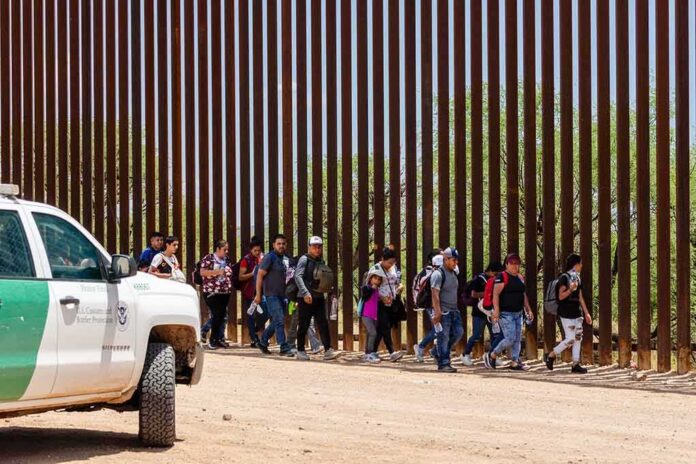
Hundreds of migrants left Tapachula, Mexico, marching north and demanding papers to move and work, renewing pressure on border security and rule of law.
Story Highlights
- About 500 people set out from Tapachula to protest long waits for documents and seek jobs.
- Mexican policy has concentrated asylum seekers in the south, creating backlogs and frustration.
- Some reports say recent caravans are unlikely to reach the United States border as authorities intervene.
- United States officials say the border remains secured under President Trump’s enforcement posture.
Caravan Organizes In Tapachula Amid Long Delays
Associated Press reporting says about 500 migrants marched through southern Mexico to protest long waits for paperwork and request authorization to move to regions with better employment prospects. Newsday described the group’s departure from Tapachula, near the Guatemala border, late Tuesday, with participants citing delays and the lack of work while they wait for status decisions. Al Jazeera placed the gathering at roughly 500 people as well, framing it as a push against a clogged immigration system that has left many in limbo in the far south.
Tapachula has become a pressure point. Past reporting shows Mexico has tried to keep asylum seekers in the south, far from the United States border, while they await decisions. That containment, combined with scarce local jobs and movement limits during case processing, has made the city a holding zone. When months pass without answers, some people band together in caravans to move north for visibility, safety in numbers, or to reach areas with actual work.
Why Tapachula Keeps Producing Caravans
Policy research and field reports describe a recurring setup: backlogged asylum processing, rules that tie applicants to the city where they filed, and a weak local job market that cannot absorb the influx. Doctors Without Borders and other observers have described the city as a dead end, with lengthy, complex procedures and little legal work during the wait. This creates a cycle of “forced waiting,” then collective marches that try to overcome checkpoints and reach interior cities where work or services may exist.
Several outlets have reported that case decisions are supposed to be faster than what people experience on the ground. In practice, wait times have run for many months, even a year or more in some accounts, which pushes people to seek options elsewhere within Mexico. That mismatch between the paper rule and the street reality is a key driver. It explains why these groups say they are seeking status and the right to work, not simply a rush to the United States border.
Prospects For Reaching The United States Border
Recent precedent suggests not every caravan makes it to the northern frontier. An outlet covering the region reported that a small caravan that set out from southern Mexico was unlikely to reach the United States border after authorities broke up two other small groups over a weekend. That pattern of early intervention, transfers, or offers of status in Mexico can thin out groups before they move far. It also signals tighter coordination by Mexican authorities along the route.
Some migrants now say they aim for interior Mexican cities rather than the United States, citing stricter United States asylum limits and long odds at the border. A report noted that people leaving Tapachula spoke about losing hope of reaching the United States under tougher rules and instead sought stability within Mexico if they could get documents and work permits. Those choices can change as conditions shift, but they show the pull of jobs and legal status inside Mexico when the northern route looks closed.
Security Posture Under President Trump
The Department of Homeland Security has publicly warned would-be entrants that the border remains closed to illegal crossings. A statement highlighted that, under President Trump and the current Homeland Security leadership, United States Border Patrol has held a firm line for the past 16 months. That message is aimed at deterring movement toward the frontier and pushing coordination with Mexico to manage flows farther south.
NEW: NEW: DHS confirms to @FoxNews that Border Patrol is actively tracking a migrant caravan that originated in Honduras and is now moving through southern Mexico with hopes of reaching the US/Mexico border. DHS is warning the migrants that catch and release is over, and anyone… pic.twitter.com/xxYxfKiZNT
— Vince Sheetz (@VinceSheetz) September 29, 2026
For Americans who value law, order, and safe communities, the picture is clear. Mexico’s bottleneck in Tapachula is real, and it keeps fueling northbound marches. But recent enforcement trends show many caravans break up long before reaching our border. The policy focus now is to keep pressure on Mexico to process cases faster, stop mass movements early, and expand legal work options inside Mexico. That combination protects our border while reducing chaos that smugglers exploit.
Sources:
facebook.com, aljazeera.com, apnews.com, schoolsforchiapas.org, sfgate.com, foxnews.com, krgv.com, thenewhumanitarian.org