
Spain’s king and queen made a rare trip to Ceuta after a mass illegal border surge, underscoring how migration pressures test national sovereignty and border security.
Story Highlights
- King Felipe VI and Queen Letizia visited Ceuta on October 13, their first trip there as reigning monarchs.
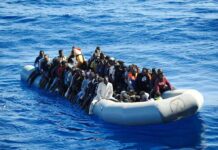
- The visit followed a large summer influx of illegal migrants that strained the enclave’s services and security.
- Royal travel to Ceuta is uncommon and signals support for Spanish sovereignty in a tense border zone.
- Past royal visits triggered diplomatic friction with Morocco, showing the stakes behind today’s crisis optics.
Historic Royal Stop Underscores Border Strain
Spain’s Royal Household confirmed that King Felipe VI and Queen Letizia would visit Ceuta and Melilla on October 13 and 14. This marks their first trip to the two North African enclaves since Felipe became king in 2014. The stop comes after a summer surge of irregular crossings into Ceuta. Local officials faced pressure on housing, policing, and basic services as crowds arrived at once. The palace framed the visit as support for residents and local institutions coping with the fallout.
Reporting described the visit as a message of unity and resolve for a city on the front line of Europe’s border. Ceuta sits only yards from Morocco, enclosed by fencing and a fortified shoreline. When large groups cross, the system gets overwhelmed. That strain threatens order and safety for families and businesses. The monarchs met leaders and greeted citizens to signal that Madrid stands with the enclave. That symbolism matters when border control is under stress.
Why Ceuta Matters To Sovereignty And Security
Ceuta is Spanish territory on the African coast. The location makes it a magnet for smugglers and sudden crossings. The 2021 crisis saw massive numbers reach the city over a short span, revealing how migration can be used as leverage in regional disputes. When inflows spike, police and social services face impossible choices. Schools, hospitals, and shelters fill fast. Order breaks down. That is why governments treat mass crossings as a national security issue, not only a humanitarian matter.
Royal travel to Ceuta is rare and loaded with meaning. The last time a Spanish sovereign visited both enclaves in the democratic era was in 2007. That trip led Morocco to recall its ambassador, signaling sharp diplomatic tension. The move showed how the enclaves are a pressure point in Spain–Morocco relations. That backdrop explains the cautious planning and careful language around this week’s visit. Every handshake and speech doubles as a signal about borders, law, and national unity.
Signals To Europe And Lessons For The West
European leaders watch Ceuta because it is an external European Union border. When that border buckles, the effects ripple into mainland Spain and across the continent. The visit tells allies that Spain intends to hold the line and support local authorities. It also reminds Brussels that border enforcement needs resources and resolve, not slogans. Walls, patrols, and returns only work if they are backed by the state and respected by neighbors across the fence.
Spain's King Felipe VI and Queen Letizia are visiting Ceuta to talk to local leaders and meet with residents still dealing with a major incident at the border with Morocco over the summer.
The trip marks the first royal visit to the exclave since 2007.https://t.co/n9XlXBdAjD
— DW Europe (@dw_europe) October 13, 2026
For American readers, the lesson is clear. Border security is sovereignty. When mass crossings overwhelm a city, crime rises, budgets break, and communities bear the cost. The Ceuta moment shows that nations must defend borders with clear rules, firm diplomacy, and humane but strict enforcement. Symbolic acts help, but policy matters most. Strong borders protect families, jobs, and the rule of law. That is not extreme; it is common sense, whether in Texas or on Spain’s southern frontier.
Sources:
democrata.es, casareal.es, moncloa.com, elmundo.es