
A raccoon’s drunken liquor store bender in Virginia turned into a $290,000 windfall for an animal shelter that normally scrapes by on less than $20,000 a year in donations.
Quick Take
- Hanover County Animal Protection and Shelter raised more than $290,000 selling “Trashed Panda” merchandise featuring the drunk raccoon
- The raccoon broke into an Ashland liquor store last December, drank from 14 bottles, and passed out beside a toilet
- The shelter normally collects under $20,000 a year in donations, making this haul a massive outlier
- Officials say the money will pay for real equipment, not taxpayer bailouts
A Raccoon’s Bad Night Becomes a Local Legend
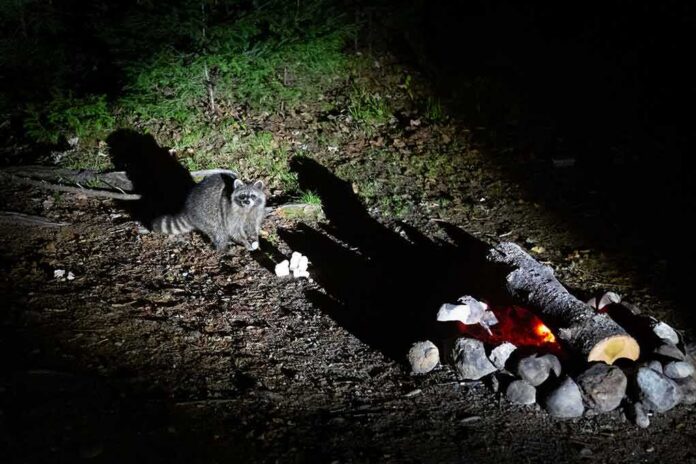
The trouble started last December when a raccoon broke into a liquor store in Ashland, Virginia. The animal sampled 14 bottles of booze before passing out cold beside a toilet. Someone snapped photos, the story spread online, and a local nuisance became a national punchline almost overnight.
Jeffrey Parker, Hanover County’s chief of animal protection, told the Washington Post the raccoon’s antics turned into something nobody expected. Sales of merchandise built around the incident have generated more than $290,000 over the past year, far outpacing anything the department normally sees from donors or fundraisers combined.
Merchandise, Not Government Grants, Fuels the Windfall
Hanover County didn’t ask Washington for a bailout or beg state lawmakers for emergency funding. Instead, the animal protection department worked with an apparel company and launched a line called “Trashed Panda,” featuring the raccoon sprawled out next to a spilled bottle. Hoodies, mugs, stickers, and T-shirts sold fast, proving a simple product with a funny story can outperform bureaucracy.
The Bonfire campaign page selling the gear states plainly that proceeds go straight to shelter-animal care and enrichment. The listing shows more than 20,800 items sold against an original goal of 20,000, a target the shelter blew past almost immediately once the story caught fire online.
Free Market Ingenuity Beat the Usual Funding Grind
Animal shelters across the country typically survive on a patchwork of government money, grants, and unpredictable donations. Research on shelter finances shows that organizations with more diverse revenue sources tend to post better outcomes for the animals in their care, while shelters leaning too heavily on one shaky funding stream often struggle.
Hanover County’s experience shows what happens when a local government skips the grant applications and lets a good story and a private vendor do the heavy lifting. Within just 72 hours of launch, the campaign had already pulled in more than $170,000, a pace no bureaucratic funding process could ever match.
Local Officials Put the Money to Work
Hanover County isn’t just banking the cash. Officials say Trashed Panda proceeds will cover more than half the cost of a new tool for animal control officers to document cases in the field, a practical upgrade paid for by merchandise sales instead of a tax hike or a line item buried in next year’s county budget.
This is a small story, but it carries a bigger lesson conservatives have argued for years: local problems often get solved faster and cheaper when communities and private businesses step in, rather than waiting on distant government programs. A drunk raccoon did more for this shelter in a year than a decade of typical fundraising ever could.
Drunk Raccoon's Viral Virginia Liquor Store Break-In Raises ,000 for Local Animal Shelter
• A mischievous raccoon that broke into an Ashland ABC store and passed out in an employee bathroom sparked a viral 'Trashed Panda' merchandise campaign that shattered Hanover County…
— Newstro (@Newstro) November 13, 2026
The raccoon, meanwhile, has become something of a local mascot, immortalized on T-shirts and coffee mugs across Hanover County. Nobody is sure where he is now, but his one bad night off the bottle left a lasting, and surprisingly productive, mark on his community.
Sources:
nypost.com, zetik.com, 12onyourside.com, foxnews.com, washingtonian.com, clarionledger.com