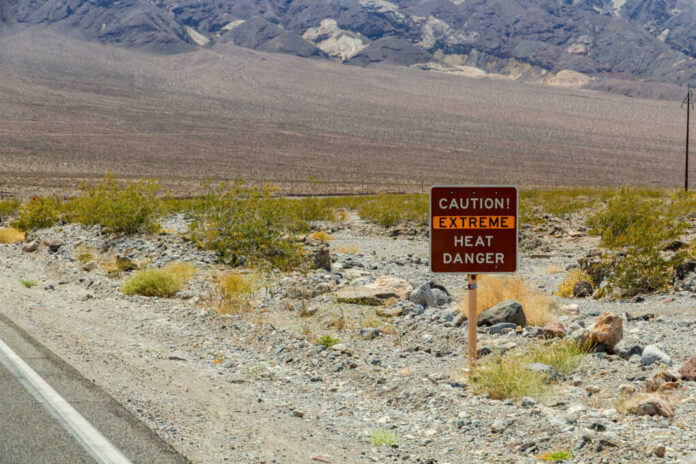
In a tiny desert town where July afternoons can hit 130°F, families still go to work, kids still play, and life quietly carries on in the hottest inhabited place on Earth.
Story Snapshot
- Furnace Creek in Death Valley holds the world record air temperature of 134°F from 1913.
- The town regularly sees summer highs above 120°F, with recent readings near 130°F confirmed by global agencies.
- A small year‑round community runs resorts and park services, adapting daily life around dangerous heat.
- Extreme heat brings real risks, including recent heat‑linked deaths, even as tourism markets the town’s record.
America’s hottest small town, not a globalist “smart city” experiment
Furnace Creek sits inside Death Valley National Park in eastern California, a remote desert community far from the big‑city policies that drive most climate headlines. It holds the **highest recorded air temperature on Earth**, a blistering 134°F measured on July 10, 1913, a record still recognized by the National Park Service and global weather agencies. Unlike high‑rise “smart cities” pushed by global planners, this is a simple town of workers, rangers, and resort staff who live next to the land instead of concrete.
Death Valley does not just spike once and cool off; extreme heat is normal here. Summer highs often climb past 120°F, and average July high temperatures in Furnace Creek reach roughly the mid‑120s, making it likely the **hottest regularly inhabited community** on the planet. The National Park Service notes Death Valley holds the record for “hottest place on earth,” and the same weather station is the only one to log multiple temperatures at or above about 130°F in different years. For the handful of residents, this is not a news story—it is daily life.
What daily life feels like when the air burns your skin
Residents structure their days around the heat because here, the sun is not just bright, it is dangerous. People work early mornings or evenings when they can, and many stay indoors in the harsh afternoon, using air conditioning like a lifeline instead of a luxury. Walking outside when the thermometer nears 130°F feels like opening an oven door; news reports describe park workers and families who still love the landscape but move slowly, carry water constantly, and plan every errand with heat in mind.
At these temperatures, cars can overheat, metal surfaces burn bare skin, and dehydration can hit fast. The park and local businesses post warnings because even short hikes can turn deadly for visitors who ignore the risk. Recent years saw readings near 130°F at the Furnace Creek visitor center, which United Nations weather officials called likely the hottest reliable temperature since 1931. That same brutal heat has been linked to at least one motorcyclist’s death near Furnace Creek, a reminder that nature—not government—is the main threat here.
Small‑town grit in the face of “hottest place on Earth” headlines
The people who stay in Furnace Creek are not trend‑chasing urban elites; they are workers, families, and park staff who accept hard conditions in exchange for steady jobs and wide‑open space. Articles on life in the town describe residents who say they “adore” Death Valley despite 54°C days, speaking about clear skies, quiet nights, and strong community ties that make the heat worth it. While climate activists use the valley’s numbers in global warming debates, locals focus on practical survival—keeping power on, water flowing, and tourists safe.
Furnace Creek’s record also fuels tourism, and that brings its own tension. The “hottest place on Earth” brand draws visitors and revenue, so park officials and resort operators highlight the record while managing real danger. Some meteorologists question the exact 1913 measurement, but major institutions like the World Meteorological Organization and Guinness World Records still list Furnace Creek as the holder of the world’s hottest air temperature. For conservative readers, this is one rare case where government and global bodies agree on a hard fact—and the locals simply live with it.
Sources:
twinkl.com, california-demographics.com, worldpopulationreview.com, datacommons.org, zipdatamaps.com, california.hometownlocator.com, demographicsdata.us, point2homes.com, houseofhighways.com