

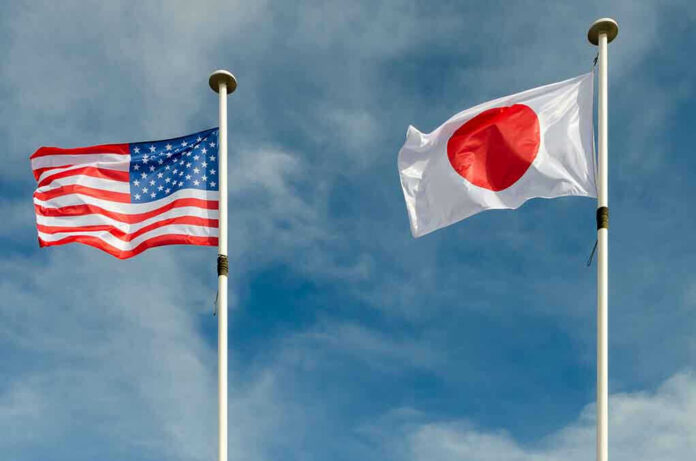
For the first time in decades, the United States just stepped into currency markets to help Japan’s crashing yen, in a move aimed at stopping global chaos before it hits American wallets.
Story Snapshot
- The U.S. Treasury joined Japan in a rare, coordinated yen-buying operation as the currency hit a 40-year low.
- The Federal Reserve Bank of New York sold euros to buy yen on Treasury’s behalf, marking the first such move with Tokyo in more than a decade.
- President Trump framed the action as support for a key ally and a step to keep global markets stable.
- Japan said the intervention was needed to stop “excessive volatility and disorderly movements” in the yen.
What Exactly Did Washington Do With Japan’s Yen?
The United States Treasury Department carried out a direct operation in the foreign exchange market to support Japan’s currency after a sharp slide. Reports say the Federal Reserve Bank of New York sold euros and bought yen on the Treasury’s behalf through major Wall Street banks, marking Washington’s first yen-buying intervention with Tokyo in more than a decade. This was not just talk or a warning; it was real money moving across markets, with the goal of stopping a fast and disorderly drop in the yen.
Japan had already stepped in the day before, with estimates that Tokyo sold tens of billions of dollars to buy back its own currency after the yen fell to levels not seen since the 1980s. When Japan’s move was not enough on its own, the United States joined in, turning a solo defense into a coordinated operation. Analysts say the yen then jumped as much as around three percent against major currencies in New York trading, showing that the joint action had an immediate effect on speculators betting against Japan.
Why Would President Trump Help Japan’s Currency Now?
President Trump confirmed that the United States joined the intervention and cast it as a gesture of support for Japan and a way to keep the global economy steady. Japan is a key ally, a major buyer of United States Treasury bonds, and a cornerstone of stability in Asia, so a currency free fall there can ripple quickly into higher borrowing costs and market stress here at home. Japan’s Finance Ministry said the joint operation was taken to counter “excessive volatility and disorderly movements” in the yen, not to play games with normal market moves.
Reports note that United States officials had already warned banks that intervention was possible and told them to “stand ready” for action, showing this was planned as more than a headline gesture. Strategists say the message was aimed squarely at traders running aggressive “carry trades,” where they borrow cheap yen to chase higher returns in other places. If that trade spins out of control, it can hit stocks, bonds, and even retirement savings worldwide, so the Trump administration moved to draw a clear line and signal that allies will not be left to face that risk alone.
How Does This Affect American Savers, Energy Costs, And Global Stability?
A crashing yen can push Japan to dump United States Treasury bonds to raise dollars, which could drive up interest rates for American families on mortgages, cars, and credit cards. By stepping in now, the Treasury can help Japan get dollar funding through tools like its foreign repo facilities instead of panic-selling American debt, easing pressure on our bond market. A more stable yen also helps Japan pay for energy imports without passing all the pain into higher prices, which supports a more balanced global market instead of another inflation shock.
🇯🇵 Japan, US stage first coordinated FX intervention in 15 years; yen firms, USD/JPY slips to 156.78
What happened in Japan while you slept 👇https://t.co/kMBypR7WKz#Japan #Nikkei #Investing #JapanStocks #USDJPY
— Mr.K Japan Insider (@JapanInsiderEN) August 3, 2026
For conservative readers, the key point is this: the Trump administration is using targeted, time-limited action to prevent a foreign currency crisis from turning into another hit on American savings, energy bills, and the wider economy. Unlike the massive money printing and endless stimulus seen in past years, this is a focused move tied to a clear threat and anchored in coordination with a trusted ally. Still, history shows yen interventions often give only short-term relief, so officials and taxpayers will be watching closely to see if markets respect the warning or test Washington and Tokyo again.
Sources:
reuters.com, cnbc.com, finance.yahoo.com, economictimes.indiatimes.com, wellington.com, wsj.com