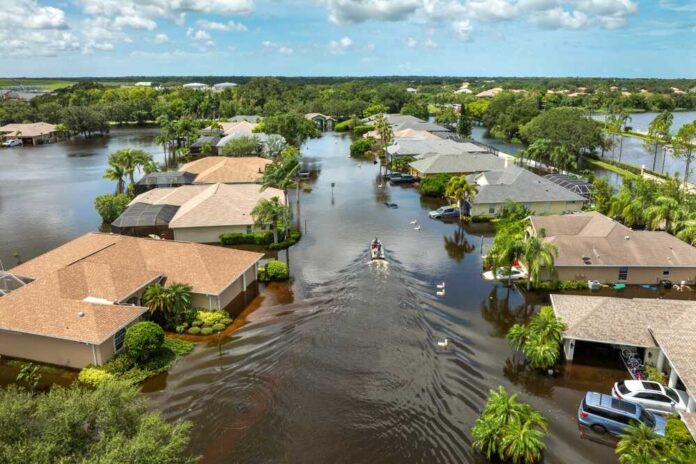
Hurricane Melissa has obliterated up to 90% of roofs in Black River, Jamaica, delivering destruction that exposes the urgent need for American-led disaster preparedness.
Story Snapshot
- Category 5 Hurricane Melissa destroyed 90% of roofs in Black River, Jamaica on October 28, 2025
- One of the most powerful Atlantic hurricanes on record left thousands homeless and 490,000 without power
- US military deployed helicopters and teams to assist with relief operations from Grand Cayman
- 521 emergency shelters opened as international aid organizations coordinate massive humanitarian response
Record-Breaking Storm Delivers Unprecedented Destruction
Hurricane Melissa made landfall in Jamaica as a Category 5 storm on October 28, 2025, after rapid intensification from its formation on October 21. The monster hurricane targeted Jamaica’s southern coast with unprecedented fury, transforming from a tropical cyclone to one of the most powerful Atlantic storms on record in just seven days. Black River, the historic capital of St. Elizabeth Parish, bore the brunt of Melissa’s wrath as the storm’s eye wall delivered catastrophic winds and storm surge to the vulnerable coastal community.
Watch: Aerial Footage Shows Absolute Devastation in Black River, Jamaica After Hurricane Melissa
Prime Minister Andrew Holness confirmed the staggering scope of destruction, reporting that up to 90% of roofs in Black River were destroyed or severely damaged. Transportation Minister Daryl Vaz described the devastation as “enormous,” with aerial footage revealing entire neighborhoods reduced to skeletal remains of homes and businesses. The storm’s impact extended far beyond property damage, leaving at least four confirmed deaths in southwest Jamaica and forcing thousands of residents into emergency shelters across the island.
Aerial footage shows absolute devastation in Black River, Jamaica after Hurricane Melissa https://t.co/5VHICcxLHJ pic.twitter.com/cFjSk0geJV
— New York Post (@nypost) October 30, 2025
American Military Steps Up While Infrastructure Crumbles
The US military pre-positioned assets in Grand Cayman and deployed helicopters and personnel to assist with logistics and relief operations, demonstrating American leadership in international disaster response. Meanwhile, Jamaica’s infrastructure has been crippled with 490,000 customers without power and major transportation routes blocked by debris. Emergency crews are working around the clock to clear roads and restore access to isolated communities, but the scale of destruction has overwhelmed local resources and highlighted the critical importance of robust infrastructure investment.
International aid organizations including Samaritan’s Purse, Red Cross, UNICEF, and the World Food Programme have mobilized comprehensive relief efforts. Jamaica’s main international airport reopened specifically for relief flights, allowing emergency supplies and personnel to reach the hardest-hit areas. The coordinated response showcases how effective disaster relief requires both immediate humanitarian aid and long-term reconstruction planning, lessons that American communities in hurricane-prone regions should carefully study and implement.
Lessons for American Preparedness and Self-Reliance
Hurricane Melissa’s destruction of Black River serves as a stark reminder that coastal communities must invest in resilient infrastructure and emergency preparedness before disaster strikes. The storm exposed critical vulnerabilities in Jamaica’s building codes and disaster response capabilities, with 521 emergency shelters now housing displaced residents who lost everything. This catastrophe underscores why American communities cannot rely solely on government response and must develop self-sufficient preparedness plans, robust building standards, and community-based emergency networks.
Sources:
ReliefWeb – Hurricane Melissa Disaster Report
ABC News – Hurricane Melissa Live Updates
CBS News – Hurricane Melissa Destruction in Jamaica
Fox News – Samaritan’s Purse Relief Efforts in Jamaica