
In a stunning escalation of violence, Russia’s latest missile and drone barrage on Kyiv left at least eight dead and a record number of children among the wounded, raising urgent questions about the world’s resolve and the cost of prolonged conflict.
Story Snapshot
- An overnight Russian attack on Kyiv killed at least eight, including a six-year-old boy, and injured over 80.
- Ukraine’s capital suffered one of its deadliest strikes in recent months, with hundreds of drones and missiles overwhelming air defenses.
- Children made up a record proportion of the wounded, highlighting the human toll of Russia’s campaign.
- The assault coincided with new U.S. pressure on Russia, underscoring the high stakes of international policy decisions.
Russian Assault Brings Tragedy to Kyiv’s Streets
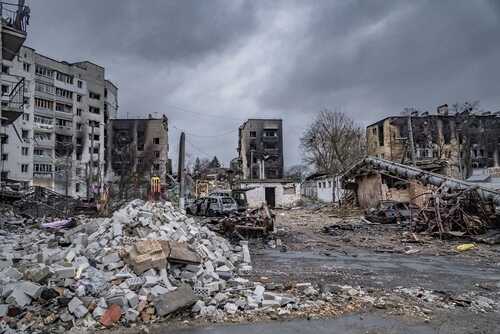
Kyiv’s residents woke to devastation after Russia unleashed more than 300 drones and eight missiles on the capital and surrounding regions during the night of July 30–31, 2025. Ukrainian authorities confirmed at least eight people were killed, including a six-year-old boy, and more than 80 others suffered injuries.
#Gravitas | Russia launched one of its deadliest aerial assaults on Kyiv in months, killing eight people, including a six-year-old boy and his mother. Over 300 drones and 8 missiles targeted Ukraine overnight.@MollyGambhir decodes. pic.twitter.com/8NVS8yKbD2
— WION (@WIONews) July 31, 2025
The Solomianskyi district saw some of the worst destruction, with a residential building collapse and fire ravaging dozens of homes. Rescue teams worked through the early hours, searching for survivors trapped under rubble and treating children and adults for shrapnel wounds and burns. According to Ukrainian officials, this attack marked the highest single-day injury count for children in Kyiv since the full-scale invasion began in 2022.
First responders described scenes of chaos as families fled their homes amid air raid sirens and explosions. Hospitals across the city reported an influx of casualties, with doctors fighting to save lives and stabilize the wounded. The city’s mayor, Vitali Klitschko, declared a Day of Mourning on August 1, banning public entertainment and ordering flags to half-mast as a gesture of respect for the victims. Ukrainian President Volodymyr Zelensky vowed to hold Russia accountable, calling the attack a war crime designed to terrorize civilians and break the country’s spirit.
Watch: At least eight dead as explosions rock Kyiv in latest Russian attack
Political and Military Context: Why Now?
The timing of the assault is widely seen as a deliberate response to mounting U.S. pressure on Moscow. President Donald Trump, now back in office, recently threatened new tariffs and sanctions against Russia unless it halted its war in Ukraine. Some military analysts believe Russia’s escalation is an attempt to test Western resolve and intimidate both Ukraine and its allies. The scale of the attack—using both Iranian-made Shahed drones and cruise missiles—overwhelmed Ukrainian air defenses, which have been strained by the frequency and size of recent strikes. Ukrainian officials have repeatedly called for increased Western assistance, arguing that advanced air defense systems and munitions are needed to prevent further civilian casualties.
Human Cost and International Response
The immediate aftermath has been tragic for Kyiv’s families. Ten children were among the wounded, with several in critical condition. The destruction of residential buildings and an educational institution has left many homeless and deprived of basic services. Authorities continue to search for survivors, warning that casualty numbers could rise as more debris is cleared. Local officials are urging citizens to donate blood and supplies to overwhelmed hospitals. The U.S. and European allies have strongly condemned the attack, with several countries pledging increased humanitarian and military aid to Ukraine. President Trump’s administration has reiterated its commitment to defending American values and supporting allies, emphasizing the need for robust air defenses to counter Russian aggression.
Long-Term Implications and the Path Forward
Experts warn that the latest attack could mark a new phase of escalation, with Russia seeking to force negotiations on its own terms or break Ukrainian resistance through sheer terror. Ukrainian air defense capabilities are under review, as officials assess how to plug gaps exposed by the barrage. The attack has heightened public anxiety in Kyiv and across Ukraine, with many families considering evacuation or seeking shelter in safer regions. Internationally, the assault puts pressure on Western governments to back up rhetoric with meaningful action—whether through sanctions, aid, or military support.
For Americans, the events in Kyiv are a stark reminder of the costs of failed diplomacy and the dangers of unchecked authoritarian aggression. The Trump administration’s more assertive approach, built on principles of national sovereignty and constitutional responsibility, may prove pivotal in shaping the next chapter of this conflict. As always, defending freedom abroad starts with strong, accountable government at home—a lesson hard-learned after years of costly mismanagement and porous borders.