New York City identified another World Trade Center victim nearly 25 years after 9/11 using forensic genetic genealogy, marking a first for the effort.
Story Highlights
- City officials confirmed the first 9/11 identification using forensic investigative genetic genealogy.
- The identification honors a promise to account for every life lost at the World Trade Center.
- The method combined DNA analysis with family tree research through police-led genealogy work.
- The program continues as technology improves, re-testing old remains to find new answers.
City Confirms First 9/11 ID Using Forensic Genetic Genealogy
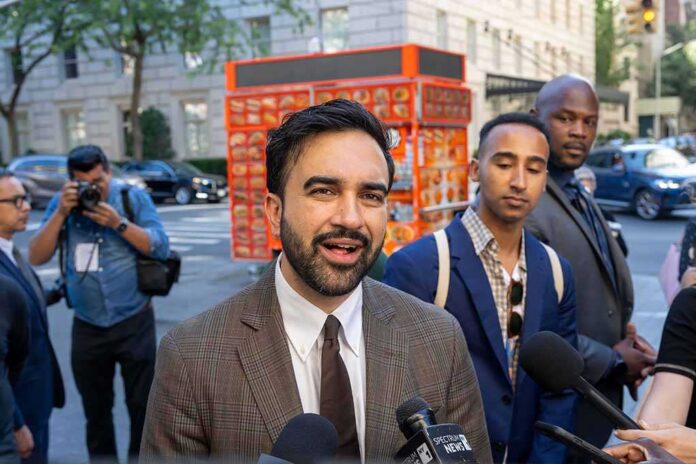
New York City officials announced they identified a previously unknown 9/11 victim using forensic investigative genetic genealogy. Mayor Zohran Mamdani and the Office of the Chief Medical Examiner said the victim was an adult woman and is the first person from the World Trade Center identified with this technique. The New York City Police Department worked with the medical examiner to link degraded DNA to a family line. The city said this was the first time this tool delivered a confirmed match.
The Office of the Chief Medical Examiner described the technique as a breakthrough because it can unlock answers from tiny or damaged remains that resisted standard tests. Forensic genetic genealogy combines lab DNA profiles with family tree research. Investigators build leads from public and law enforcement databases, then confirm identity with direct family reference samples. Officials said this method adds a new lane to the ongoing mission to name each victim of the terror attacks.
How The Method Works And Why It Matters Now
The identification used a two-step approach: extract a DNA profile from a small fragment, then compare it to family lines to find relatives. Detectives and scientists built a likely family branch and reached out for kinship samples to confirm the match. This approach can succeed even when normal testing fails, because it looks for distant genetic ties to point toward a name. City officials presented it as a humane use of science to return dignity to families.
This advance fits a long effort that has pushed forensic science forward. After 2001, New York City processed tens of thousands of remains, often too small or damaged for visual or fingerprint checks. The program has kept re-testing as methods improve, adding profiles and linking remains to victims over the years. Researchers and practitioners have documented how the World Trade Center work drove innovation in DNA analysis and case tracking, turning hard fragments into answers one by one.
Scale Of The Mission And The Ongoing Commitment
The medical examiner’s office has worked this case for decades, cycling through new tools to improve hit rates and strengthen identifications. Past updates showed the city adding new matches as they refined extraction methods, kinship modeling, and database searches. Officials have emphasized that they will continue testing stored remains and seeking family references, with the goal of identifying every victim possible. This latest case shows a new pathway when direct matches come up short.
Earlier updates highlighted steady progress, including several identifications in recent years through enhanced DNA testing and family outreach. The office’s public materials note a long-standing role in missing persons and disaster victim work connected to the World Trade Center. That institutional memory, combined with modern lab tools, sets the stage for more results when small fragments can now yield usable profiles.
Why This Breakthrough Resonates With Americans
This identification is more than a lab win. It keeps faith with families and with the country’s promise to never forget. Every name recovered from Ground Zero pushes back against the evil that struck our homeland. This work also shows what focused government should do: serve victims, respect privacy, and use targeted tools to solve a defined mission. It is limited, careful, and aimed at truth, not at broad data sweeps or mission creep.
Inside the New York lab using genetic genealogy to identify 9/11 victims’ remains | CBC News https://t.co/V2NNqCt6NN
— Jara Klauss (@Jany27896020) September 11, 2026
Conservatives value duty, accountability, and precision. This case reflects those values. Investigators used a lawful tool to confirm one identity and bring a measure of peace to loved ones. They did not cast a wide net on Americans. They matched a fragment, built a family lead, and confirmed it with consent. That is how public safety and civil liberty can work together. The message is simple: America remembers, and America finishes the job.
What Comes Next As Technology Improves
Officials said they will keep applying forensic genetic genealogy in select cases where it could help produce a confirmed identity. Families who have not yet provided a DNA reference may choose to do so to support future matches. The program will continue to re-examine stored remains as new methods arrive, using this technique when it adds value. The medical examiner’s office said the mission continues until every possible victim is named.
Sources:
townhall.com, abcnews.com, nyc.gov, youtube.com, npr.org, instagram.com