
A brutal Balkan heatwave is fueling wildfires and media panic, while experts quietly admit most fires start with human hands, not the weather.
Story Snapshot
- Record Balkan heatwaves are driving wildfires and evacuations, with temperatures over 40°C.
- Major outlets blame “climate change” as the key driver, but data shows people cause most fires.
- Weak land management and arson in the Balkans turn hot, dry weather into disaster.
- Global climate alarms risk justifying more EU control instead of fixing local problems.
Heatwave Slams the Balkans, Wildfires Follow
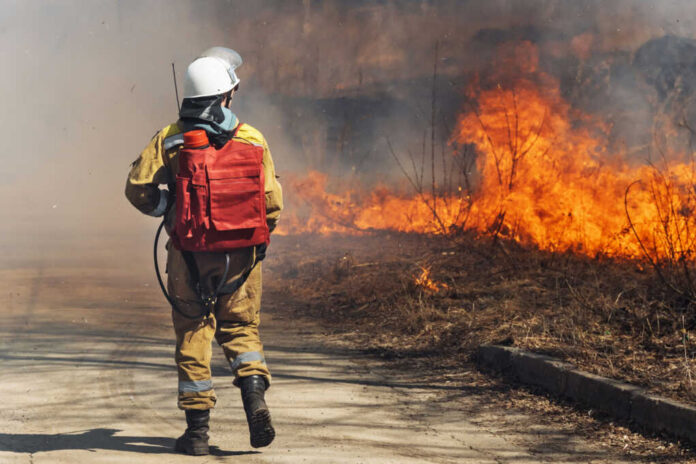
Record heat is gripping the Balkans, sparking wildfires, emergency alerts, and evacuations from Croatia to Bulgaria and Albania.[2] Temperatures have shot past 40 degrees Celsius in parts of southeastern Europe, turning forests and fields into tinder and putting firefighters under heavy strain.[5] Reports describe blazes near tourist areas in Croatia, evacuation of villages in Albania, and multiple out-of-control fires in North Macedonia’s pine forests.[2][4] Scientists and many reporters quickly link this extreme heat to long-term climate change.[1][15]
European Union systems are now deeply involved in the Balkan response. Bulgaria and Albania have both received international air support through the European Union civil protection mechanism to fight fires in national parks and rural regions.[2][3] North Macedonia has requested European Union help for a large forest fire burning hundreds of hectares on Serta Mountain.[4] Italy and Greece have sent planes to Albania to drop water on inaccessible terrain where local crews cannot reach the flames.[3] This cross-border aid is presented as proof that the crisis demands a climate-driven, continental solution.[2]
Media Push “Climate-Driven Disaster” Narrative
Major European outlets frame the Balkan fires mainly as a climate story. Euronews and Deutsche Welle stress that “ongoing heat waves have triggered fires” and highlight experts who warn that climate change is the key driver of this extreme fire season.[2][5] Other coverage notes that more land has burned across Europe than usual, with one British broadcaster citing over three times the average area burned by mid-summer and linking it to record heatwaves.[6] These stories urge leaders to act on climate and warn that future fire seasons will only grow worse if global warming continues.[3][15]
Global science organizations reinforce this picture. United Nations-backed research and national agencies say human-caused climate change is making heatwaves more frequent and more intense, drying vegetation and extending fire seasons in regions like the Mediterranean.[15][19][21] Studies show heatwaves in Europe are increasing faster than in many other regions, and every modern heatwave is now stronger than it would have been without added greenhouse gases.[15][21] For many readers, this creates a clear message: change the global climate policy, or expect more Balkan fires, more evacuations, and more deadly smoke.[18][19]
Human Causes: Fires Are Not “Natural Disasters”
Yet Balkan-focused fire experts offer a very different angle. A regional factsheet on landscape fire management reports that more than ninety percent of wildfires in Europe, and over ninety-eight percent in the Balkans, start from human activities such as careless burning, trash fires, and farm clearing.[10][11] Greek civil protection guidance on defending villages and farms warns that arson is a major cause in the region, often used to hide illegal logging or enable profitable salvage logging after the flames.[11] These fires are lit on purpose or by negligence; the heatwave only makes them spread faster.
Western Balkans specialists stress that these landscape fires are “not natural disasters.” They point to land abandonment, poor forest management, and unsustainable land use that let dry plants pile up as fuel.[10][12][20] When temperatures rise and winds pick up, those human-made fuel loads turn a small ignition into a wall of fire racing toward villages. Regional climate pages acknowledge that hotter, drier summers increase risk, but they emphasize that weak fire management and bad land practices leave communities exposed.[10][20] In other words, climate sets the stage, but human choices light the match and build the bonfire.
Climate Alarm vs. Local Responsibility
This tension matters for Americans who value local control and honest risk assessment. On one side, global institutions and media highlight heatwaves and climate change, then call for more funding, rules, and centralized emergency powers at the European Union level.[2][5][15] On the other side, Balkan fire professionals quietly explain that most fires would not exist without human ignition, bad land management, and abandoned rural areas that collect dangerous fuel.[10][11][12] If leaders focus only on climate, they may ignore the simple steps of enforcing laws, punishing arson, and restoring responsible land care.
The Balkans felt the impact on Monday of the record-breaking heatwave that has caused hundreds of excess deaths and disrupted daily life across the continent for more than a week, with growing concerns over the spread of wildfires.https://t.co/WJBYfGetvg
— DZRH NEWS (@dzrhnews) June 29, 2026
For conservative readers, this Balkan story sounds familiar. Large institutions promote sweeping climate narratives that justify bigger budgets and more control, while everyday realities on the ground point to human behavior, local policy failures, and weak enforcement as the main drivers of damage.[10][19] Heatwaves are real and growing, but they become deadly when governments neglect forests, ignore arson, and let rural communities fend for themselves. The lesson is clear: fix land management and personal responsibility first, or any hotter future will only make these man-made disasters worse.
Sources:
[1] Web – Heatwave tightens grip on Balkans, triggering wildfires
[2] Web – Balkans battle wildfires from prolonged heatwave in Europe
[3] Web – Europe heat wave fuels wildfires, forcing evacuations in … – CBS …
[4] Web – Climate change: Southern Europe scorched by flames and extreme …
[5] Web – Wildfire risks as climate change fuels extreme heatwave in Southern …
[6] Web – Europe is burning: Four explanations – DW News
[10] Web – 2026 Could Become World’s Worst Wildfire Year, Scientists Warn
[11] Web – [PDF] Landscape Fire Management in the Western Balkans
[12] Web – [PDF] Defence of Villages, Farms and Other Rural Assets against …
[15] Web – Landscape Fire Management in the Western Balkans – Facebook
[18] Web – Exploring the impact of resident proximity to wildfires in the …
[19] Web – Wildfire: Climate, Settlement, Forests, Fire Management
[20] Web – How climate change drives heatwaves and wildfires – Al Jazeera
[21] Web – The Balkans felt the impact of the record-breaking heatwave that …