Federal agents say a campus activist network crossed a bright line from protest to threats, and the paper trail is starting to surface.
Story Snapshot
- Multiple agencies executed coordinated home searches tied to a multi-city investigation, not a single protest incident [5].
- Michigan’s Attorney General said the case focused on multi-jurisdiction vandalism, not campus protest activity [6].
- Union and activist groups said agents seized electronics and personal items from student organizers [1][4].
- A later federal update said eight people linked to the university were indicted in an alleged intimidation campaign [7][8].
Raids Spanned Three Cities And Several Homes
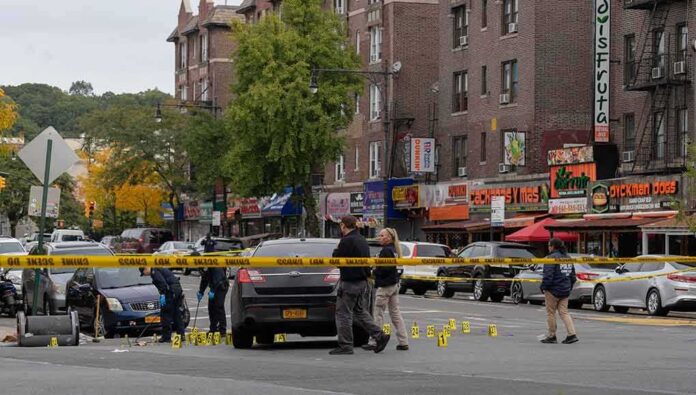
On April 23, 2025, federal and state officers searched several homes tied to University of Michigan pro-Palestine activists. Agents served warrants in Ann Arbor, Ypsilanti, and Canton Township. Reports said some people were briefly detained, then released. Officials described an ongoing investigation. The operation involved the Federal Bureau of Investigation (FBI), Michigan State Police, and local departments. That scope points to a multi-location case, not an isolated campus scuffle [5][2].
Michigan’s Attorney General office said the searches advanced an investigation into multi-jurisdiction vandalism. Officials also said the action was not about encampments or protests on the University of Michigan campus. That message signaled a focus on conduct that may be criminal, not protected speech. The office said no arrest warrants were being executed during the searches. The operation looked like evidence gathering, not a roundup [6][5].
What Agents Took And Why It Matters
Activist and union statements said agents seized phones, laptops, and personal items from student homes. Those items often hold group chats, emails, and social posts. Investigators seek who planned acts, who carried them out, and who posted about them. Such seizures match a standard playbook for building timelines and networks. The Graduate Employees’ Organization and Students Allied for Freedom and Equality both reported electronics were taken during the searches [1][4].
Several groups condemned the raids and framed them as political repression. The Graduate Employees’ Organization, the TAHRIR Coalition, and the Council on American-Islamic Relations’ Michigan chapter spoke out. Their responses confirm the search targets moved in a common activist circle. But their statements do not answer what the seized devices show or how investigators linked people to alleged acts. Officials did not release affidavits that day, limiting public detail [4][5][6].
From “Vandalism” Probe To Alleged Threat Campaign
Local coverage at the time stressed vandalism and said the searches were not tied to on-campus protest conduct. That narrow frame shaped early reactions. Later reporting said federal prosecutors unsealed an indictment of eight people linked to the university. The case alleges an intimidation effort aimed at university officials, businesses, and a Jewish community group. The FBI Detroit office shared a case update pointing to that charging posture [7][8].
Those newer details mark a shift from a property damage lens to a threats and coordination theory. Still, the public package here lacks the full indictment text or affidavits. We do not have named roles, message excerpts, or exact dates in these sources. Without those records, the public must weigh claims against limited on-the-record facts. That gap invites spin from all sides and puts extra weight on what courts later unseal [7].
Free Speech, Law And Order, And A Clear Line
Americans back peaceful protest and strong speech rights. They also expect the law to punish threats, stalking, and witness tampering. Officials said this case is not about protest signs on a quad. They pointed to multi-city vandalism and later to a charged threat campaign. If prosecutors prove that line was crossed, then the law must respond. If not, the public deserves a clear account of why agents searched student homes at night [6][7][8].
🔴 Eight pro-Palestinian activists indicted for intimidation campaign against U of M officials
Federal prosecutors unsealed an indictment Wednesday against eight activists accused of conspiring to run a criminal intimidation campaign against University of Michigan officials to… pic.twitter.com/EKwFZ4IsId
— NewsTongue (@NewsTongueX) June 10, 2026
Conservatives should track two things. First, evidence. Do seized devices show plans to target leaders or a Jewish organization? Second, process. Are prosecutors releasing the indictment and affidavits so citizens can judge the facts? Multi-agency cases can chill campus life if officials stay vague. Transparency builds trust. Sunlight also protects free speech while holding real offenders to account. The Constitution demands both liberty and order. The country needs both here [5][6][7][8].
Sources:
[1] Web – ‘Entire Family on My Hit List’: FBI Unseals Shocking Antisemitism Case …
[2] Web – FBI and Police Raid Homes of Pro-Palestine Student Activists in …
[4] Web – FBI raids homes of University of Michigan anti-Israel activists
[5] Web – FBI and police raid homes of pro-Palestine activists, including a …
[6] Web – FBI, Michigan State Police search pro-Palestine activists’ homes
[7] YouTube – Viral video of police raids on University of Michigan student …
[8] Web – FBI, police raid homes of pro-Palestinian activists tied to UM …