

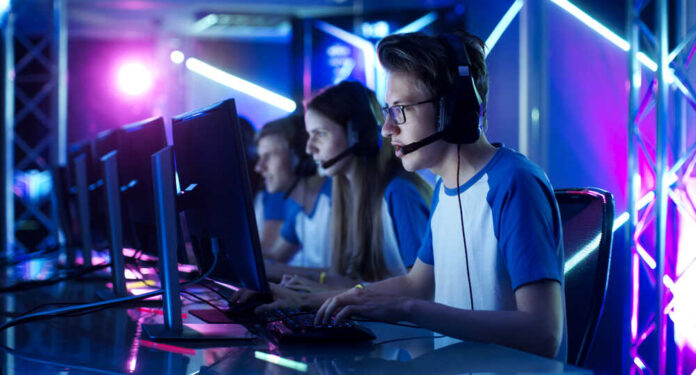
The gaming industry has quietly transformed into a $21 billion streaming empire that’s reshaping American entertainment while foreign platforms dominate key markets and influence content creation.
Story Overview
- Gaming streaming market projected to reach $21.2 billion by 2030, with China controlling nearly $3 billion in revenue
- American platforms like Twitch face increasing competition from foreign-owned services that shape gaming culture
- Content creators now wield unprecedented influence over game success, fundamentally altering traditional marketing
- Average daily viewing time has surged to 2.5 hours per user, creating new dependencies on digital entertainment
Foreign Platforms Capture American Gaming Market
China dominates the global gaming streaming landscape with $2.92 billion in revenue for 2025, while platforms like Huya and AfreecaTV compete directly with American services. This foreign control over content distribution raises concerns about cultural influence and data security. Major streaming platforms including Twitch, YouTube Gaming, and Facebook Gaming now compete against these international players for American audiences and creators.
The rapid growth trajectory shows the gaming streaming market expanding from $9.8 billion in 2023 to a projected $10.85 billion in 2024. This explosive 11.8% compound annual growth rate demonstrates how quickly foreign competitors can establish market presence in American digital entertainment sectors.
Watch; Behind the multibillion-dollar world of gaming | The Stream
Creator Economy Disrupts Traditional Entertainment Models
Individual streamers now possess more marketing power than traditional advertising campaigns, fundamentally altering how games succeed or fail in the marketplace. Top content creators earn six-figure sponsorships while wielding significant influence over game popularity and sales. This shift represents a dramatic departure from established entertainment industry hierarchies and corporate control structures.
Game developers increasingly design titles specifically for streaming audiences rather than traditional players, prioritizing features that encourage viewer interaction and participation. This streamer-driven development approach transforms gaming from a personal entertainment experience into a community-focused spectacle designed for mass consumption.
Digital Dependency Threatens Traditional Values
Average daily viewing time reaching 2.5 hours per user represents a concerning trend toward excessive screen time and digital entertainment dependency. This massive time investment in passive consumption contrasts sharply with traditional American values of productivity, outdoor activities, and face-to-face community engagement. The blurring lines between player, creator, and spectator fundamentally changes how young Americans spend their leisure time.
The creator economy’s rapid professionalization creates new career paths that bypass traditional educational and professional development structures. While this democratizes opportunity, it also encourages young people to pursue unstable, platform-dependent careers rather than building tangible skills and stable employment in essential industries.
Sources:
Gaming Meets Streaming: Inside the Shift
Historical and Cultural Analysis of Streaming’s Impact
From Pixels to Millions: The Rise of Video Game Livestreaming
Online Gaming: The Rise of a Multi-Billion Dollar Industry