

Blue-state officials rushed to court to block a veterans gateway near Arlington just days before shovels hit the ground.
Story Highlights
- D.C. and Virginia filed a 45-page lawsuit to halt the Triumphal Arch before construction.
- National Park Service documents admit the arch would affect historic views along Memorial Avenue.
- The Park Service issued a Finding of No Significant Impact, saying environmental harms are not significant.
- The administration says work can start after final planning approvals and Interior authorization.
What D.C. and Virginia Asked a Federal Judge to Do
District of Columbia Attorney General Brian Schwalb and Virginia Attorney General Jay Jones sued in federal court to stop the Triumphal Arch project before crews begin work. Their complaint calls the plan “flagrantly unlawful” and seeks judicial review ahead of any irreversible steps. Reporting places the filing days before a possible November 5 start date, aiming to keep construction paused while a judge weighs the claims. The suit adds to earlier challenges targeting the approval process and site impacts.
The lawsuit leans on the project record to argue the process is incomplete. The attorneys general cite National Park Service documents to say work should not proceed until every step is finished. They point to open questions under federal historic-preservation rules and approvals that were still pending. Their timing underscores the risk of a rushed start that could be hard to unwind. The case asks the court to hold the line so the project does not outrun the law before a decision arrives.
What the Federal Record Actually Says So Far
The National Park Service completed an Environmental Assessment under the National Environmental Policy Act and issued a Finding of No Significant Impact, stating the arch would not cause significant environmental harm. The document also explains that this finding is not itself final project approval. It describes remaining steps, including separate decisions and reviews. This record gives the administration a formal basis to argue that environmental issues were studied and that the project can move forward once final approvals are in place.
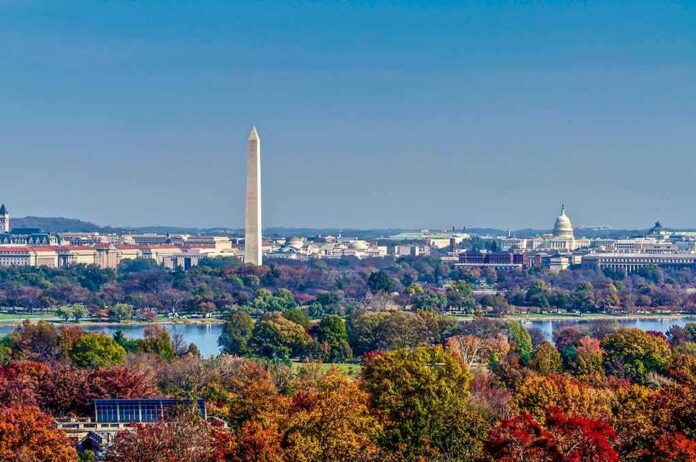
A separate National Park Service document acknowledges the arch would change a well-known view between Arlington House and the Lincoln Memorial. It states the structure would alter that sightline and have adverse effects on one or more historic properties. That admission fuels the plaintiffs’ claim that the process must fully address historic impacts before work begins. It also shows why preservation groups are engaged. Still, the agency’s process can allow adverse effects with consultation and mitigation rather than a flat ban on building.
The Path to Groundbreaking and the Stakes for Commemoration
The administration told the court that construction could begin as early as November 5 if the National Capital Planning Commission votes to approve and the Interior Department issues a final authorization. That sequence makes clear that the government viewed groundbreaking as conditional on these last steps. Interior Secretary Doug Burgum also said he would not make a final decision until the planning commission completed its review. Those statements undercut the claim that the administration tried to skip mandatory approvals.
The White House framed the arch as a gateway honoring veterans, Gold Star families, and American heroes. Officials said the landmark would improve the visitor experience at Arlington over the next 250 years. Many readers will see this as a worthy goal that fits our nation’s respect for service and sacrifice. The core fight is not the purpose, but whether opponents can use process claims to stall or shrink a project meant to lift up our shared history and pride near sacred ground.
How Conservatives Can Read the Legal Clash
Conservatives can back both honor for our veterans and respect for the rule of law. The government produced an environmental review and a no-significant-impact finding. The record admits historic effects, which the law handles through consultation and mitigation, not automatic cancellation. D.C. and Virginia want the judge to stop work until every paper is signed. The administration says it will start only after the final vote and authorization, which tracks the legal process described in the documents.
The bottom line for readers is simple. President Trump’s team says it will finish the approvals, then build a landmark to honor American service. D.C. and Virginia filed late to block that plan at the last minute. The court will decide timing, but the facts show a live, structured review is underway. If the law is followed and the mission is clear, our country can create a lasting symbol that respects history, protects views where possible, and celebrates those who defended our freedoms.
Sources:
zerohedge.com, parkplanning.nps.gov, planning.nps.gov, thehill.com