

A peer-reviewed lab finding suggests your spice rack may hide a “synergy” effect that makes anti-inflammatory compounds work hundreds of times more powerfully when paired—raising new questions about what we fund, regulate, and trust in health advice.
Quick Take
- Researchers at Tokyo University of Science reported that combining capsaicin with menthol or 1,8-cineole sharply boosted anti-inflammatory effects in immune cells.
- The strongest reported synergy was capsaicin + menthol, with the study describing a 699-fold improvement compared to single-compound use.
- The work is based on cell experiments, not human clinical outcomes, so real-world benefits and dosing remain uncertain.
- The findings could accelerate functional food and supplement marketing, increasing the need for clear evidence standards and honest labeling.
What scientists say the “spice synergy” actually did
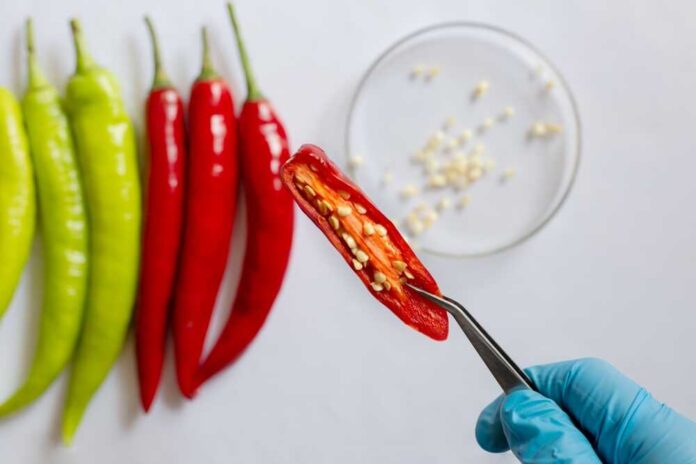
Researchers from Tokyo University of Science studied how plant-derived compounds influence inflammatory signaling in immune cells, using a laboratory cell model (RAW264.7 cells). The compounds were capsaicin (chili peppers), menthol (mint), and 1,8-cineole (eucalyptus). Capsaicin performed best on its own, but combinations changed the picture: capsaicin paired with menthol or cineole reportedly produced far stronger anti-inflammatory effects than any single ingredient.
The “100x” framing used in headlines appears to be a simplified shorthand. Reported lab metrics described much larger shifts in effective concentrations: capsaicin plus menthol was associated with a 699-fold enhancement, and capsaicin plus 1,8-cineole with a 154-fold enhancement. That gap matters because Americans are constantly sold miracle claims—often with government, media, and corporate gatekeepers pointing fingers at each other when the fine print doesn’t match the hype.
How the mechanism works—and why that makes the claim more credible
The study’s central argument is that the amplification wasn’t magic; it was biology. Menthol and 1,8-cineole were described as acting through transient receptor potential (TRP) channels and calcium signaling, while capsaicin operated through a distinct pathway independent of TRP channels. By activating different intracellular pathways at the same time, the combinations created an effect larger than the sum of the parts, rather than simply doubling up on one route.
Researchers also used multiple methods to support the mechanism, including gene expression analysis, protein measurements, and calcium imaging. That doesn’t replace human evidence, but it does strengthen the internal logic compared with loose “folk remedy” claims. The lead researcher, Prof. Gen-ichiro Arimura, said the work provides molecular-level evidence for effects people have long associated with combining food ingredients, connecting traditional practice to modern cellular biology.
What’s still unknown: human results, real dosing, and safety context
The biggest limitation is straightforward: the evidence described is based on immune cells in a lab setting, not randomized controlled trials in humans. The research suggests mixtures can produce meaningful biological effects at levels consistent with normal dietary intake, but it does not establish how much of each compound people would need, how long effects might last, or which inflammatory conditions—if any—would improve in real patients.
Why this matters in a distrustful era of health policy and “expert” messaging
This kind of research lands at a tense moment in American public life, where many voters—right and left—believe institutions look out for themselves first. Conservatives often argue that bureaucracies and elite credentialing can crowd out practical solutions and inflate costs, while liberals argue that markets can exploit consumers without guardrails. A lab discovery like this could empower individuals to think differently about food and wellness, but it could also fuel aggressive marketing before the evidence is mature.
The coming fight: supplements, functional foods, and who sets the rules
The research points to near-term commercial opportunities: functional foods, dietary supplements, seasonings, and related products designed to deliver stronger effects with smaller amounts of active ingredients. That market reality creates an accountability challenge. If companies rush “synergy” products to shelves, consumers deserve clear labeling about what was shown (cell studies), what was not shown (human outcomes), and what claims are speculative. Better transparency beats more bureaucracy—but evidence standards still matter.
For now, the most responsible takeaway is modest: the study strengthens the case that combinations of plant compounds can interact meaningfully, and it provides plausible molecular pathways for the effect. The less responsible takeaway is to treat it as a proven cure. In a country frustrated with rising costs, institutional failures, and constant “trust the experts” messaging, the public’s best defense remains the same: demand rigorous human data before spending big or making health decisions based on headlines.
Sources:
ScienceDaily — Scientists discover spice synergy that boosts anti-inflammation 100x
Nutrition Insight — Plant synergies may amplify inflammation support for supplements and nutrition
F45 Training — The best anti-inflammatory spices and herbs for boosting flavor and health
PMC — (Full-text article) Inflammation-related research review
SciTechDaily — This spice combo could slash inflammation hundreds of times more effectively