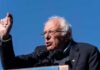
Iran’s Supreme Leader Ayatollah Ali Khamenei has admitted for the first time that “several thousand people” died during recent anti-government protests, while shamelessly blaming President Trump and Israel.
Story Highlights
- Khamenei publicly acknowledges thousands killed in protests for first time, deflecting blame to US and Israel
- Death toll estimates range from 3,500 to 20,000 as Iran maintains unprecedented internet blackout
- Over 22,000 protesters detained while regime claims arrests of 3,000 “terrorist group” members
- Trump threatens military action against Iran while claiming he prevented 800 executions
Regime Finally Admits Massive Death Toll
On January 17, 2026, Khamenei broke his silence about the brutal crackdown that began in early January, acknowledging “several thousand people” died during anti-government demonstrations. The admission represents a dramatic shift from initial government denials about casualties. Human rights organizations estimate approximately 3,500 deaths, while other sources suggest the toll could reach 20,000. The Iranian regime’s unprecedented nine-day internet blackout prevented independent verification of the true scope of violence.
The Supreme Leader’s televised address directly accused President Trump of being a “criminal” responsible for casualties and damage to Iran. Khamenei claimed the United States and Israel orchestrated the unrest, despite no credible evidence of foreign coordination in what began as economic protests over a currency crisis in late December 2025. This deflection tactic follows the regime’s playbook of blaming external enemies for domestic opposition to authoritarian rule.
Watch: https://www.youtube.com/watch?v=qE4MkJkUwBA
Mass Detention Campaign Targets Iranian Patriots
Iranian security forces have detained over 22,000 people during the crackdown, according to human rights groups. The regime’s Ministry of Intelligence claims to have arrested 3,000 members of “terrorist groups,” using vague designations to criminalize legitimate protest activity. These detentions represent a systematic effort to crush dissent and intimidate the Iranian population. The regime’s Supreme National Security Council issued live-fire orders on January 8-9, resulting in the heaviest casualties during the communications blackout period.
President Trump claimed Iranian authorities halted 800 planned executions following his warnings, though Iran’s Foreign Minister Abbas Araghchi denied execution plans were ever in place. The conflicting accounts highlight the regime’s duplicitous messaging while facing international pressure. Trump’s intervention demonstrates American leadership in defending human rights against authoritarian regimes, contrasting sharply with the previous administration’s appeasement approach toward Iran.
Iran's Khamenei Says US, Israel Linked To Deadly Protest Violence: 'Thousands Killed' https://t.co/vp08xveOzE
— zerohedge (@zerohedge) January 18, 2026
Economic Mismanagement Fuels Popular Uprising
The protests erupted from a currency crisis in late December 2025, exposing the regime’s economic incompetence and corruption. What began as demonstrations over economic grievances evolved into broader anti-government protests as Iranians demanded fundamental change. The regime’s violent response exceeded even the brutal 2019 crackdown that killed hundreds, demonstrating escalating desperation to maintain power. Security forces face exhaustion from extended mobilization, raising questions about the sustainability of the current suppression.
The Institute for the Study of War assessed that while the regime’s “pervasive securitization measures and violent crackdown on protests appear to have suppressed protest activity for now,” the current approach “is not viable in the long term.” When security pressure eases, renewed protests become possible as underlying grievances remain unresolved. The regime’s legitimacy continues eroding among a population subjected to economic hardship and brutal repression.
Sources:
Iran’s Supreme Leader Concedes Thousands Killed in Unrest; Blames US and Israel
Khamenei Admits Thousands Killed, Blames Trump and Israel
Experts Urge Iran to Break Cycle of Violence, Create Space for Dialogue