Netanyahu’s unprecedented public regret over a deadly Israeli strike on Gaza’s Nasser Hospital exposes the mounting international pressure threatening Israel’s strategic position.
Story Highlights
- Israeli strike kills 20 people including 5 medical staff at Gaza’s Nasser Hospital on August 25
- Netanyahu breaks protocol by publicly calling incident a “tragic mishap” and expressing deep regret
- UN Secretary-General issues immediate condemnation demanding adherence to international humanitarian law
- Strike targets one of Gaza’s largest medical facilities, raising concerns about protected civilian infrastructure
- Incident highlights ongoing challenges of military operations in densely populated conflict zones
Netanyahu’s Unusual Public Admission
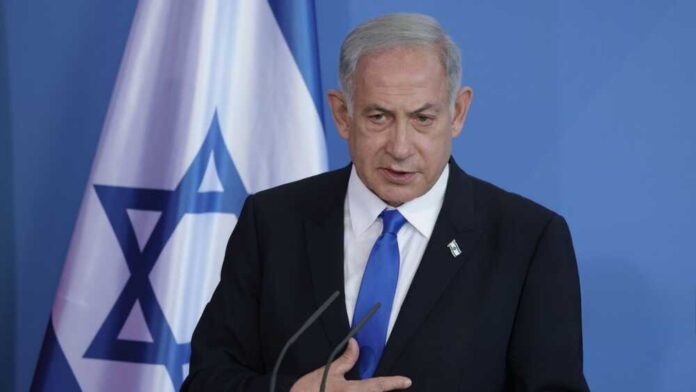
Prime Minister Benjamin Netanyahu’s immediate public acknowledgment of the August 25 hospital strike represents a significant departure from Israel’s typical response protocol. His direct use of the term “tragic mishap” and expression of “deep regret” suggests recognition of both the severity of international scrutiny and potential operational failures. This rapid response indicates Israeli leadership’s awareness that attacking medical facilities carries substantial diplomatic costs, particularly when civilian casualties include healthcare workers serving in protected facilities under international humanitarian law.
Watch: Israel regrets deadly ‘mishap’ at Gaza’s Nasser hospital, Netanyahu says
Strategic Impact on Israeli Military Operations
The Nasser Hospital strike demonstrates the complex challenges facing Israeli defense forces operating in Gaza’s densely populated environment. Military analysts recognize that such incidents can undermine broader strategic objectives by generating international condemnation and restricting operational flexibility. The immediate UN response calling for accountability reflects growing international impatience with civilian casualties in conflict zones. This incident may force Israeli military planners to implement more restrictive engagement rules, potentially affecting the effectiveness of future operations against legitimate military targets embedded within civilian areas.
Images show the immediate aftermath of a deadly Israeli strike on Gaza’s Nasser Hospital, which killed at least 15 people, including four journalists, with smoke filling the air, a body on the top floor of the targeted building, and people rushing to help the injured, including… pic.twitter.com/McsuO2flYG
— Al Arabiya English (@AlArabiya_Eng) August 25, 2025
International Pressure and Diplomatic Consequences
The UN Secretary-General’s swift condemnation signals coordinated international pressure that could translate into concrete diplomatic and economic consequences for Israel. Hospital strikes violate Geneva Convention protections for medical facilities, providing legal grounds for international bodies to pursue accountability measures. The incident strengthens arguments for independent investigations and potential sanctions, creating diplomatic vulnerabilities that adversaries can exploit.
Israel’s strategic position requires balancing legitimate security operations against terrorist threats with maintaining critical international support. The healthcare system disruption in Gaza, while regrettable, must be viewed within the broader context of armed groups deliberately operating from civilian facilities. This cynical strategy by terrorist organizations creates impossible choices for democratic nations seeking to protect their citizens while adhering to international law.
Broader Implications for Regional Security
This incident highlights the propaganda victory achieved by terrorist organizations when civilian casualties occur during legitimate military operations. The immediate international focus on Israeli actions, while understandable given the tragic loss of life, often overshadows the deliberate tactics used by armed groups to operate from protected facilities.
The long-term implications extend beyond immediate diplomatic pressure to fundamental questions about how democratic nations can effectively defend against asymmetric threats. Israel’s experience serves as a cautionary example for other allies facing similar challenges, where adherence to international humanitarian standards becomes increasingly difficult when adversaries deliberately violate those same protections.
Sources:
UN Secretary-General Statement on Gaza Hospital Strike – August 25, 2025
https://www.bbc.com/news/articles/c80d2zrdj7vo
https://edition.cnn.com/world/live-news/israel-hamas-gaza-war-08-26-25