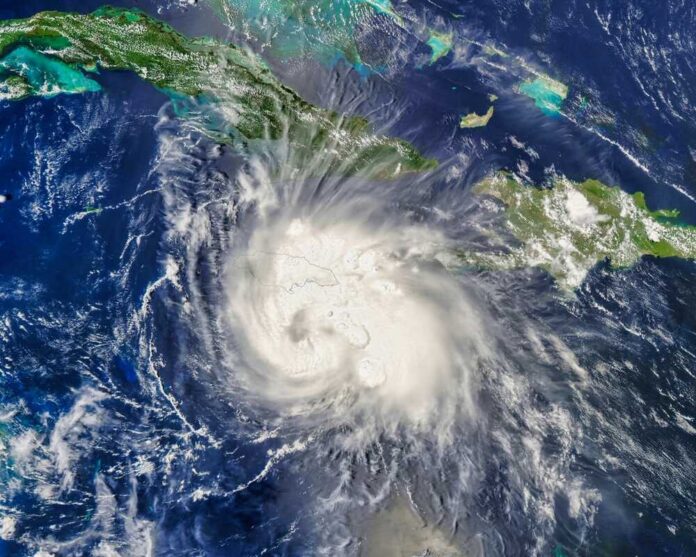
Hurricane Melissa devastates Jamaica, causing significant loss of life, infrastructure damage, and unprecedented relief hurdles.
Story Snapshot
- Communities in Jamaica remain isolated due to collapsed infrastructure, hampering relief efforts.
- International aid is critical, with the U.S. Army and UN involved in relief operations.
- The Jamaican government faces pressure to enhance disaster response and preparedness.
Hurricane Melissa’s Impact on Jamaica
Hurricane Melissa made landfall in southwest Jamaica on October 28, 2025, as a Category 5 storm with winds reaching up to 185 mph. The hurricane has caused widespread devastation, with at least 19 confirmed deaths and the toll expected to rise as rescue teams reach isolated areas. The infrastructure collapse has left many communities without access to basic services, posing a significant challenge to recovery efforts.
The storm, recognized as the strongest to ever hit Jamaica, has exposed the island’s vulnerability due to its aging infrastructure and limited disaster preparedness. Notably, communications and water systems have been severely affected, leaving nearly 400 water systems inoperative and over 460,000 people without power. International aid has become a lifeline, with the U.S. Army deploying helicopters for relief missions and the UN coordinating efforts on the ground.
Communities in Hurricane-Ravaged Jamaica Still Cut Off as Death Toll Climbs – The New York Times https://t.co/Hf4XMqF3ty
— Cautious Xitter (@cautiousotter) November 2, 2025
International Relief Efforts
The scale of the disaster has prompted a substantial international response. The United Nations and partners have been scaling up emergency assistance since Hurricane Melissa transitioned to a post-tropical cyclone on October 31. U.S. Army helicopters are actively engaged in transporting essential supplies to cut-off areas, and more helicopters are expected to join the effort soon.
Despite these efforts, the relief operations are facing significant hurdles due to the inaccessible terrain and damaged infrastructure. Field hospitals are being established in western Jamaica to replace those damaged by the storm, with Health Minister Christopher Tufton assuring that these facilities will be operational within a week. The focus remains on restoring basic services and providing immediate humanitarian aid.
Watch: Hurricane Melissa death toll climbs
Challenges and Future Implications
The devastation caused by Hurricane Melissa has highlighted the urgent need for improved disaster preparedness and resilient infrastructure in Jamaica. As the death toll continues to climb, the Jamaican government faces mounting pressure to address these vulnerabilities and enhance its disaster response capabilities. The economic impact is also expected to be severe, with significant losses in agriculture, tourism, and local businesses.
In the aftermath of Hurricane Melissa, the focus is on immediate recovery and long-term resilience. The international community’s involvement underscores the importance of global cooperation in disaster relief, but it also highlights the critical need for local capacity building to ensure sustainable recovery and future preparedness. The lessons learned from this disaster will be vital in shaping Jamaica’s approach to future natural calamities.
Sources:
ReliefWeb (UN Situation Report)