
Somaliland’s new embassy in Jerusalem is a sharp diplomatic break that is already drawing fire from Somalia and Arab states.
Quick Take
- Somaliland opened its first embassy in Jerusalem on June 15, 2026, after Israel recognized it in December 2025.
- Somaliland President Abdirahman Mohamed Abdullahi led the opening during his first official state visit to Israel.
- Israeli Foreign Minister Gideon Sa’ar welcomed the move and praised the new ties.
- The ceremony also came with a strategic cooperation deal covering economy, security, technology, and investment.
Why the Jerusalem opening matters
Somaliland’s embassy opening matters because it gives the breakaway region its first diplomatic mission anywhere in the world. That is a major step for a territory that has spent decades seeking broader recognition. Israel became the first United Nations member state to recognize Somaliland in December 2025, and the embassy in Jerusalem is the clearest sign yet that the relationship is moving from symbolism to formal state-to-state ties.
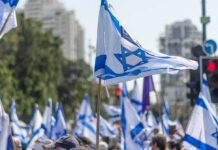
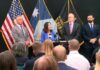
The ceremony took place at Har Hotzvim, a high-tech park in Jerusalem, and reports said the opening followed months of growing contact between the two sides. A live transcript from Africanews said the inauguration marked a “major milestone” and a “diplomatic breakthrough” for Somaliland. JNS reported that President Abdullahi inaugurated the mission on Monday and that Israel now sees the post as its eighth embassy in the city.
What Somaliland and Israel signed
Beyond the ribbon-cutting, the two sides signed a Declaration of Strategic Cooperation. The reported areas include economy, security, technology, and investment. That matters because it shows this is not just a photo opportunity. It is a working agreement meant to deepen practical ties. For a region near key Red Sea shipping lanes, those links could carry real weight in trade and security planning.
JNS also reported that Israeli leaders described future cooperation in water, agriculture, technology, security, and other fields. That fits a broader pattern in Jerusalem diplomacy, where Israel has used new ties to build alliances outside the usual hostile regional bloc. For Somaliland, the payoff is different but just as clear. It gets a formal foothold in a city that carries huge political and religious meaning.
Why the backlash is so strong
The backlash was quick and predictable. Reuters reported that Somalia condemned Israel’s recognition of Somaliland and called it a blow to its territorial integrity. i24news also reported a joint condemnation from 14 nations, including Somalia, which called the move “illegal and unacceptable” and described Somaliland as a “so-called” region. That language shows how fiercely the embassy fight is tied to the wider battle over sovereignty and legitimacy.
The wider dispute is the reason this story goes beyond one embassy opening. BBC reported that Somaliland is still treated by most of the world as a breakaway region, not a fully recognized state. That means the mission in Jerusalem will be viewed by supporters as a sovereign milestone and by critics as a provocation. In practical terms, the embassy gives Somaliland a visible diplomatic base while also putting it squarely in the middle of a long-running recognition fight.
What comes next
The next step is whether this opening turns into more formal cooperation and more recognition. Reuters said Israel plans to open an embassy in Hargeisa, which would give the relationship a reciprocal shape. The live coverage and the public ceremony suggest both sides wanted to send a clear message that this is not a one-off gesture. They want a durable partnership, and they want the world to notice it.
For readers watching Middle East politics, the important point is simple. Somaliland has placed its flag in Jerusalem, and Israel has welcomed it as a strategic partner. That is a direct challenge to the regional consensus that keeps diplomatic missions away from the city and keeps Somaliland in a legal gray zone. The fight now is not just over an embassy. It is over who gets to define statehood, recognition, and political reality.
Sources:
youtube.com, i24news.tv, somaliguardian.com, instagram.com, facebook.com