
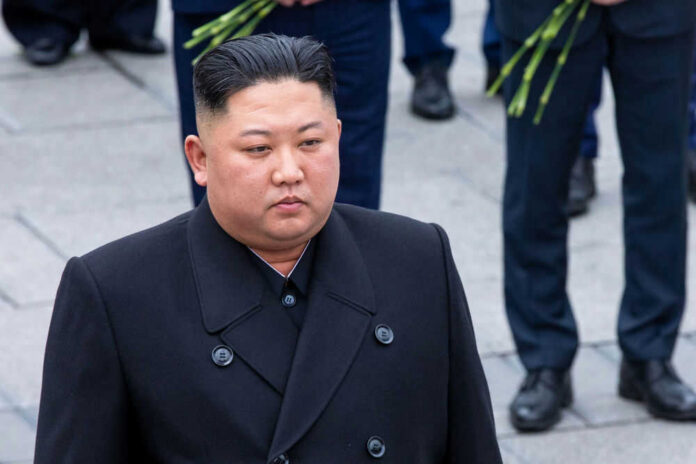
North Korea’s new nuclear-capable warship threatens American allies and interests in the Pacific, escalating tensions under President Trump’s second term as Kim Jong Un races to build a fleet of 12 such destroyers by 2030.
Story Highlights
- Kim Jong Un inspected the 5,000-ton destroyer Choe Hyon at Nampo port, equipped with nuclear-capable missiles, amid US-South Korea drills.
- The warship fired strategic cruise and anti-ship missiles in April 2026 tests, validating ultra-precision capabilities and sea-based nuclear deterrence.
- North Korea plans 12 nuclear-armed destroyers by 2030, shifting from land-based threats and compensating for immature submarine programs.
- Russian technology enables rapid construction, raising concerns over foreign aid circumventing sanctions.
- Escalatory cycle heightens miscalculation risks in the Yellow Sea, pressuring US extended deterrence commitments.
Kim Jong Un Unveils Advanced Warship
North Korean leader Kim Jong Un inspected the navy’s most advanced warship, the 5,000-ton destroyer Choe Hyon, at Nampo port in early 2026. The vessel features 44 vertical launch system cells for surface-to-air missiles, 30 for cruise missiles, a 127mm gun, close-in weapon systems, Pantsir-M defenses, and a helicopter deck. Kim condemned ongoing US-South Korea joint military drills as provocative threats. He vowed rapid expansion of North Korea’s nuclear arsenal in response. This inspection signals a push toward sea-based nuclear capabilities.
Missile Tests Demonstrate New Capabilities
In April 2026, the Choe Hyon conducted missile tests overseen by Kim Jong Un. The destroyer fired two strategic cruise missiles on flights exceeding two hours and three anti-ship missiles over about 30 minutes. These tests validated weapons systems, navigation, and anti-jamming features. North Korean state media described the strikes as ultra-precise. The demonstrations mark the first public disclosure of anti-ship missile firings from the vessel. Experts assess it as a multi-mission platform with hypersonic potential, serving as a primary nuclear delivery system.
Russian Aid Fuels Rapid Naval Modernization
The Choe Hyon, launched around 2025, mirrors Russia’s Grigorovich-class frigates in design. Naval analyst Mike Plunkett states its 13-month construction would be impossible without Russian technical assistance. Features like Pantsir-M defenses confirm technology transfer. This aid helps North Korea circumvent international sanctions. The warship compensates for limitations in its submarine program, which remains noisy and short-range. Pyongyang plans two more destroyers soon, targeting a fleet of 12 nuclear-armed vessels by 2030.
North Korea’s 2022 Nuclear Forces Law enshrines pre-emptive nuclear use. Recent doctrine shifts emphasize monolithic control under Kim with delegation for tactical weapons. US responses include nuclear-capable B-52 exercises and the USS Kentucky submarine’s historic docking in South Korea. South Korean President Yoon Suk Yeol warns that nuclear use by Pyongyang would end the Kim regime.
Escalation Risks Challenge US Alliances
Short-term risks include heightened miscalculation in the Yellow Sea, where North Korean sea-based tests complicate US-South Korea anti-submarine warfare efforts. Long-term, the naval expansion pressures America’s extended deterrence over South Korea and Japan. Defense spending rises amid drills and disruptions. Global trade routes in the Sea of Japan face threats. Both conservatives and liberals share frustration with endless foreign entanglements that drain resources while elites prioritize power over American security.
Experts like Joseph Bermudez from Beyond Parallel view the Choe Hyon as a stopgap until submarines mature. Pessimists warn sea-based nukes enable surprise strikes. Optimists see immature technology as a bluff. The cycle of tests and drills erodes the nuclear taboo, fueling an Indo-Pacific arms race that burdens US taxpayers.
Sources:
Asia Times: North Korea taking its nuclear threat to the high seas
ICAN: Nuclear tensions rise on Korean Peninsula
NKNews: North Korea’s warship as potential liability
Army Recognition: North Korea plans 12 nuclear-armed destroyers by 2030