As Ukraine’s drones hammer deep inside Russia, the war that Putin started is now tearing into the Russian heartland and exposing just how dangerous modern drone warfare has become for civilians on both sides.
Story Snapshot
- Ukraine launched one of its largest long‑range drone attacks yet, hitting near Moscow and into the Urals inside Russia.
- Russian officials claim hundreds of drones were shot down, but confirmed fires, fuel facility damage, and civilian deaths show real gaps.
- A baby was killed in the Moscow region and fuel sites were hit, proving the war is now directly striking Russian homes and infrastructure.
- The same kind of drone saturation Russia used against Ukrainian cities is now coming back at Russian territory, raising big questions about air defense and civilian safety.
The Night Drone War Reached Moscow and the Urals
On June 30, 2026, Ukraine sent a massive wave of long‑range drones into Russia, targeting areas around Moscow and deep into the Urals region. Russian officials said air defenses intercepted hundreds of drones across many regions, trying to show the public they were in control. But even with these claims, multiple drones still hit fuel facilities, infrastructure, and homes, turning a distant war into a deadly reality for Russian families. For Americans, this shows what happens when drone warfare is allowed to grow without real limits.
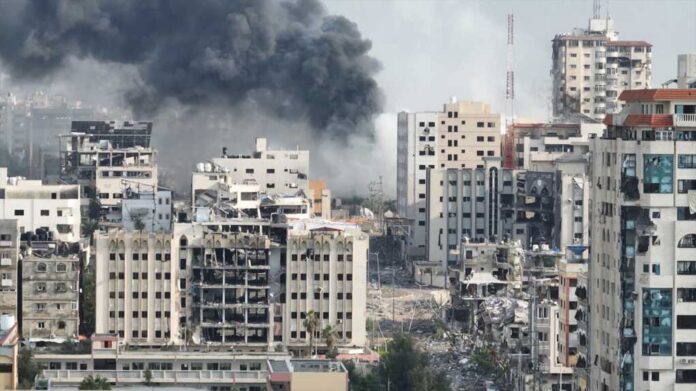
Russian authorities reported that a major space communications center in Dubna, north of Moscow, was struck, and Ukrainian officials say this was the second hit there in a week. Reports also describe damage at the Moscow Oil Refinery in Kapotnya, a key fuel source for the capital region. Geolocated video and independent reporting confirm large fires and heavy smoke from refinery sites, evidence that at least some drones got past defenses and hit critical energy infrastructure. Those hits fed fuel shortages and long lines, showing how quickly strikes on energy targets can ripple through everyday life.
Civilians Pay the Price When Drones Bypass Defenses
During the same attack, debris from Ukrainian drones killed at least three civilians across Russia, including a six‑month‑old baby in the town of Yegoryevsk in the Moscow region and an older woman in Tver. Russian officials acknowledged these deaths, and media inside and outside Russia framed them as proof that “the war has come home” to ordinary Russian families. For years, Russians watched their government send drones and missiles into Ukrainian cities; now they are experiencing the fear, fires, and funerals that Ukrainians have lived with since 2022.
Independent research shows Russia has used drones routinely to hit civilian areas in Ukraine, turning harm to non‑combatants into a tool of war. The United Nations Human Rights Council found that nearly all civilian casualties from drone strikes in January 2025 happened in Ukrainian‑held territory, even though both sides use many unmanned systems. Russia also ramped up its use of Shahed‑type drones to more than 1,000 launches per week by March 2025, aiming to overwhelm Ukrainian air defenses and wear down civilian morale. Ukraine’s strikes inside Russia now mirror that same pattern of long‑range pressure, including attacks on oil and industry facilities.
Drone Saturation Is Overwhelming Old Air Defense Models
Military studies on the Ukraine war warn that cheap, mass‑produced drones have changed the battlefield, even if they have not decided the war by themselves. These drones offer real‑time scouting and precise targeting for artillery and missiles, while also carrying explosives on their own. Analysts estimate that drones now account for a very high share of combat losses on both Russian and Ukrainian sides, because they can hunt armor, vehicles, and troops with low cost and high accuracy. When used in huge numbers, they can saturate and expose gaps in traditional air defense networks built for larger, more expensive aircraft.
Ukraine’s long‑range drone strategy relies on sending many small, hard‑to‑detect systems through what its military calls “open corridors” in Russia’s dense air defense layout. Russian authorities often respond by claiming large interception numbers, such as hundreds of drones shot down in a single night, but independent images of fires, refinery damage, and debris near Moscow raise doubts about how tight that shield really is. At the same time, Russia has criminalized open documentation of strike damage, which limits transparency and suggests the Kremlin wants to control the narrative of success and failure.
What This Means for American Security and Energy Policy
For American conservatives, this drone war inside Russia is not just a distant story; it is a warning about our own air defenses, energy security, and civilian safety. Modern wars now target fuel facilities, power plants, and communications hubs because disrupting energy and information can weaken a society without using large ground invasions. The damage to Russian refineries and the resulting gasoline shortages show how quickly strikes against a few key nodes can cause long lines, price spikes, and public anger. Our own grid, pipelines, and refineries must be protected from similar threats, including drones that can be launched from hundreds of miles away.
These events also highlight why the United States needs strong, layered air defenses at home and must stay cautious about globalist ideas that weaken borders and critical infrastructure protection. As Russia and Ukraine use drones against each other’s cities almost nightly, the line between front‑line combat and civilian space grows thin. If adversaries ever use the same methods against America, they could hit fuel hubs, data centers, or even residential neighborhoods. That risk argues for secure borders, serious investment in homeland defense, and energy policies that keep vital facilities hardened rather than exposed to foreign pressure or attack.
Sources:
pravda.com.ua, cnn.com, nypost.com, kureansiklopedi.com, themoscowtimes.com, facebook.com, youtube.com, complexdiscovery.com, mickryan.substack.com, reddit.com, understandingwar.org