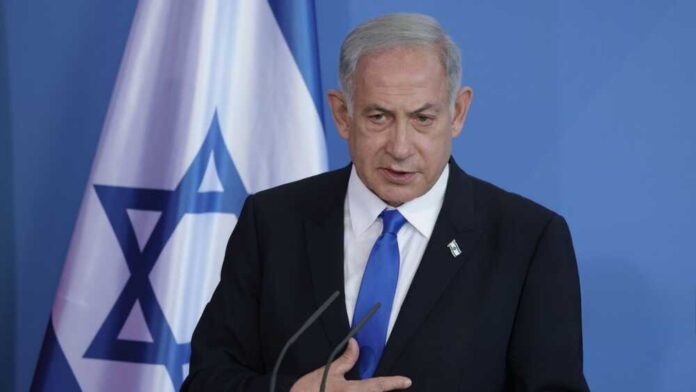
Benjamin Netanyahu’s unprecedented request for a pardon during his corruption trial raises significant questions about the future of Israeli democracy.
Story Highlights
- Netanyahu seeks a pardon from Israel’s president amid an ongoing corruption trial.
- The request is framed as a move to heal societal divisions in Israel.
- This represents a rare use of executive clemency during active legal proceedings.
- The president’s office is currently considering the request, which has sparked public skepticism.
Netanyahu’s Pardon Request: A Legal and Political Crossroads
As of November 30, 2025, Israeli Prime Minister Benjamin Netanyahu has formally requested a preemptive pardon from the president of Israel while facing serious corruption charges. This move is unprecedented, given that it comes during his trial and not after a verdict has been reached. Netanyahu argues that a pardon would help heal societal rifts, a statement that has generated significant public debate and skepticism.
Netanyahu’s trial, which has been ongoing for several years, stands as one of the most significant legal challenges any Israeli prime minister has faced. The charges involve allegations of bribery, fraud, and breach of trust. The request for a pardon during the trial is not only unusual but also brings to light deeper political divisions within Israeli society that Netanyahu claims his pardon could address.
Watch: https://www.youtube.com/watch?v=oA3DXYNB-4o
Public and Political Reactions
The Israeli president’s office labeled the request as “extraordinary” and committed to a responsible and sincere evaluation. This indicates the seriousness with which the request is being considered. However, the initial public reaction has been skeptical, with many citizens questioning whether Netanyahu’s appeal for national healing is genuine or merely a tactic to avoid accountability in court.
Critics argue that granting a pardon would undermine the rule of law and set a dangerous precedent in Israeli politics. It raises concerns about whether the principle that no one is above the law, including political leaders, will be maintained. If granted, the pardon could effectively halt the ongoing trial, raising questions about judicial independence and public trust in the legal system.
Implications for Israeli Democracy
In the short term, a presidential pardon could either stabilize or further destabilize Israeli politics. The decision carries weighty implications for democratic governance and accountability, especially considering the precedent it would set for future cases. In the long term, this situation could impact public confidence in both the judicial system and the executive branch, with potential ramifications for political polarization and societal trust.
The international community is observing these developments closely, as they reflect broader issues of governance and rule of law in a democratic state. The resolution of this request will likely influence future political leaders and their approach to executive clemency during legal proceedings.
Sources:
https://apnews.com/article/mideast-wars-netanyahu-pardon-5dbc2461b440c8edc8d82d31650cdbe8