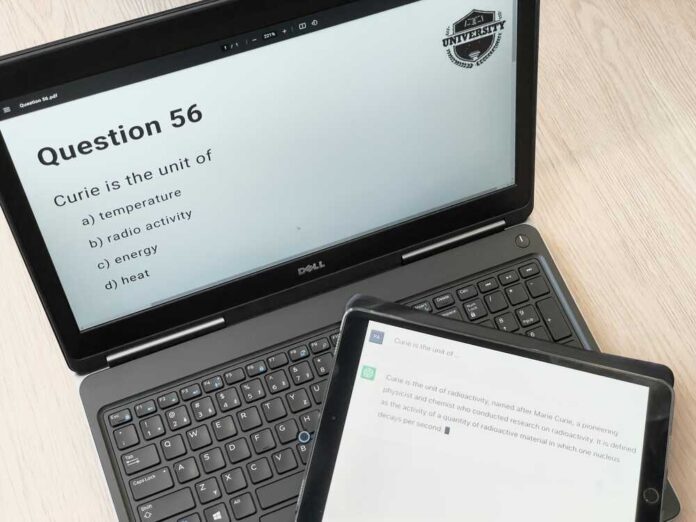
A top-performing Queens public high school has implemented a radical handwritten essay policy to combat rampant ChatGPT cheating.
Story Highlights
- Elite Queens high school mandates handwritten, in-class summer essays to prevent AI cheating
- Students cry foul over fairness while teachers defend authentic work requirements
- Policy reflects broader NYC education shift from AI bans to classroom-controlled assessments
- Debate exposes tension between academic integrity and modern learning tools
School Takes Hardline Stance Against AI Cheating
A highly-ranked Queens public high school implemented a controversial policy requiring students to handwrite their summer reading essays in class rather than completing them at home. School officials explicitly designed this measure to prevent students from using ChatGPT and other AI tools that have become increasingly prevalent in academic work. The decision represents a dramatic shift from traditional take-home assignments to proctored, analog writing sessions that eliminate technological shortcuts entirely.
Top Queens high school bans summer do-at-home essays to curb ChatGPT cheating https://t.co/lITP2m938M pic.twitter.com/h2nnZdMyDR
— New York Post (@nypost) August 9, 2025
Student Backlash Meets Teacher Defense
The policy ignited immediate controversy within the school community, with students expressing frustration over what they perceive as unfair and regressive assessment practices. Many argued that handwriting requirements disadvantage students with physical limitations and create unnecessary barriers to demonstrating their knowledge. However, teachers strongly defended the approach, emphasizing that authentic work requires genuine effort and struggle, which AI assistance undermines. This divide highlights fundamental disagreements about the role of technology in modern education.
NYC’s Evolving AI Policy Landscape
The Queens school’s decision occurs within NYC’s broader policy evolution regarding artificial intelligence in education. After initially banning ChatGPT in May 2023, the Department of Education reversed course to encourage teacher-guided AI literacy while allowing individual schools discretion over integrity measures. This shift acknowledges both AI’s educational potential and the need for safeguards against misuse. The Queens case exemplifies how schools are experimenting with practical solutions to balance innovation with academic honesty.
Broader Implications for Academic Integrity
The handwritten essay requirement reflects growing concerns about AI’s impact on authentic learning and skill development. Queens College has already updated its plagiarism policies to explicitly include AI-generated text, signaling institutional recognition of this challenge. The high school’s approach prioritizes verification of student authorship over technological integration, suggesting that some educators believe traditional assessment methods remain necessary despite advancing AI capabilities.
The controversy underscores fundamental questions about education’s future in an AI-dominated world. The debate will likely intensify as more schools grapple with balancing integrity concerns against technological realities that continue reshaping academic work.
Sources:
ChatGPT and AI: Does it have a place at Queens College? – The Knight News
New York City Does About-Face on ChatGPT in Schools – Education Week