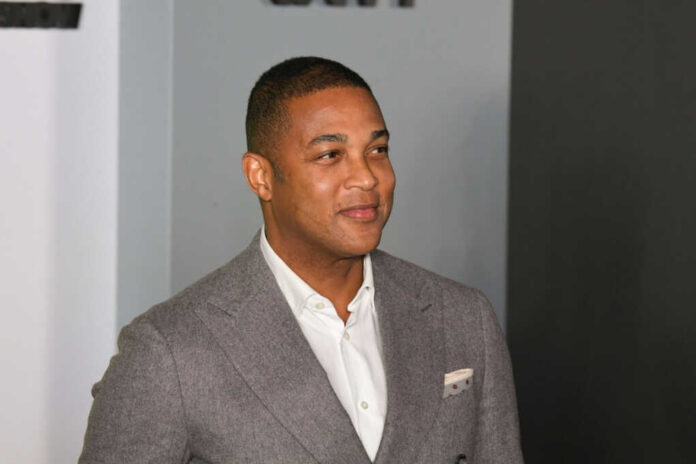
A former CNN star just admitted Donald Trump played the liberal network “like puppets” — and did it because it was good for business.
Story Snapshot
- Don Lemon says CNN knew Trump was using them for publicity and still went along because it drove ratings.
- Lemon blasts corporate media for “fear and greed,” claiming news is shaped by business deals and political pressure.
- Research shows Trump dominated news coverage industry-wide, raising questions about media power and bias.
- The fight over Lemon’s comments exposes how legacy outlets shape public opinion and target populist leaders.
Don Lemon Admits Trump Used CNN for Ratings
Former CNN anchor Don Lemon recently sat down with Trevor Noah on the “What Now?” podcast and made a stunning admission about his old network’s Trump coverage.[5] Noah asked if CNN ever realized Donald Trump was playing them “like puppets.” Lemon answered “Oh, yeah,” and said executives “maybe knew somewhere in the beginning, but it was good for business.”[3] He pointed to how every Trump tweet instantly became “the biggest thing” in the news cycle, driving clicks and cable ratings.[1]
Lemon even echoed former media executive Les Moonves, who once said Trump was “bad for the country, but good for business.”[3] That line sums up what many conservatives argued for years: big outlets like CNN fed Trump coverage because it made money, even as they attacked him daily. Lemon said CNN chief Jeff Zucker “got hip to it early,” and told anchors to let Trump talk and then fact-check him, a format that guaranteed drama and kept viewers glued to the screen.[3]
Corporate Media, Fear, and Self-Censorship
On the same podcast and in a related YouTube interview, Lemon pushed a darker picture of corporate media: news driven less by truth and more by “fear and greed.”[3] He claimed outlets self-censor to protect mergers, ad dollars, and political relationships, including one case where a CBS journalist’s vetted segment on immigrant detention was pulled before air.[3] Lemon did not name the reporter or date, so that story cannot be checked directly, but it fits wider research showing business pressure often shapes coverage of hot-button issues.[21]
Lemon described his own 17 years at CNN as a grind tightly controlled by corporate concerns, even down to his voice.[3] He said viewers complained about his accent, and he felt pushed to smooth it into a more standard American sound after a wave of hate mail.[3] He also claimed he asked for more breaks to reconnect with South Africa but was told the show schedule came first, a conflict he says helped end his contract.[3] His timeline mixes in a mistaken reference to “The Daily Show,” which raises questions about how precise every detail is, yet his broader theme is clear: the corporation owned his time, tone, and topics.[3]
Was Trump the Problem — or the Media Machine?
Lemon casts Trump as a “media genius” who understood television and bent CNN to his will, but hard data shows the story is bigger than one network.[5] A study from the Harvard Shorenstein Center found that during Trump’s first hundred days in office, 41 percent of all news stories from major outlets focused on Trump, and 80 percent of the quoted voices were Republicans.[10] That suggests Trump’s dominance came from his role as president and top newsmaker as much as from any single executive strategy.
Nielsen ratings, cited by the Washington Post, show cable news viewership jumped across CNN, Fox News, and MSNBC during the Trump years, not just at one channel.[12] In other words, the entire industry profited from conflict and constant political drama. CNN’s own press material boasts that in 2024 it was the number one digital news outlet in the United States and led cable news in total viewers in January 2025, long after Trump’s first term.[11] That counters Lemon’s suggestion that Trump alone propped up CNN, but it does not erase his central point: outrage-driven coverage became a business model, and Trump understood how to ride it.
Media Power, Populist Leaders, and Conservative Concerns
Scholars studying media and politics have found that traditional outlets systematically amplify certain political actors, especially those with more extreme or combative styles.[13] That pattern fits Trump’s rise: his blunt language and constant fights made him impossible for television producers to ignore, and gave them endless material. Social media research also shows that platforms like Twitter and Facebook favor emotionally charged content, helping controversial clips spread even faster once they leave cable news.[15]
One of CNN’s best-known former anchors is making an admission that conservatives have argued for years. Appearing on Trevor Noah’s What Now? podcast, Don Lemon said CNN executives recognized early on that Donald Trump was dominating the news cycle and benefiting from the…
— Common Sense with Chad Law (@chadparkerlaw) June 26, 2026
For conservatives, Lemon’s confession matters because it confirms long-held fears about corporate media. These outlets claim to “hold power to account” but often act as powerful players themselves, deciding which stories get wall-to-wall coverage and which disappear. When a former insider says executives knew Trump coverage was “good for business,” it highlights why many Americans no longer trust legacy media and instead turn to alternative voices, local sources, and direct communication from leaders.[18] It also serves as a reminder in the Trump second term: media giants may attack this White House every day, but they will never say out loud how much they need the drama to keep their own business booming.
Sources:
[1] Web – Don Lemon Admits Trump Is a ‘Media Genius’ Who Played CNN Like a …
[3] Web – One of the most interesting parts of this conversation with Don was …
[5] Web – Eugene and I sat down with Don Lemon and we ended up talking …
[10] Web – Don told me he’s 60 and I genuinely didn’t believe him. Some people …
[11] Web – News Coverage of Donald Trump’s First 100 Days
[12] YouTube – I’ve studied 1000’s of polls. This is Trump’s biggest midterm red …
[13] Web – CNN RANKED #1 DIGITAL NEWS OUTLET IN THE US FOR 2024
[15] Web – CNN loses nearly 70% of its viewers since Trump left office – Facebook
[18] Web – Cable news viewership is down since 2020 — but up in the Trump era
[21] Web – Unique Personalities in the Limelight? A Cross-National Analysis of …