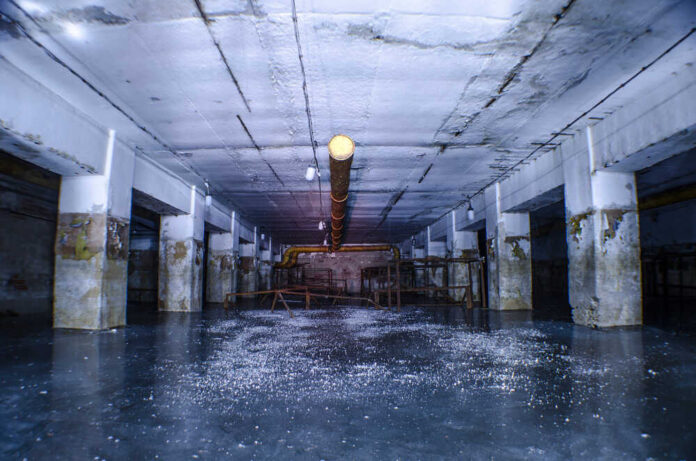
Israel operates a secret underground prison where Palestinians are held without charge in conditions that human rights groups describe as systematic torture.
Story Snapshot
- Underground prison in Ramla holds Palestinians without formal charges under administrative detention
- Over 10,400 Palestinians reportedly detained, many in undisclosed locations with families denied information
- Released detainees report severe torture, prolonged isolation, and deprivation of basic necessities
- Human rights organizations compare conditions to Abu Ghraib and call for international intervention
Secret Prison Operates Without Due Process Protections
The underground facility in Ramla represents a troubling expansion of Israel’s administrative detention system, where individuals can be held indefinitely without formal charges or trial. Euro-Med Human Rights Monitor documented the prison as part of a “systematic framework inherently aimed at torturing and mistreating Palestinian prisoners.” This detention model bypasses fundamental legal protections that Americans would recognize as essential constitutional rights, including habeas corpus and the right to legal representation during interrogation.
Watch: Israel’s treatment of Palestinians held without charge under scrutiny
Mass Detention System Resembles Authoritarian Tactics
Israeli authorities have detained over 10,400 Palestinians since the October 2023 escalation, with many forcibly disappeared into a network of at least 30 known detention facilities plus temporary camps. Families are routinely denied information about detainees’ whereabouts, creating a system of enforced disappearances that mirrors tactics used by authoritarian regimes. The Israeli Prison Service and military operate these facilities with minimal oversight, raising concerns about government overreach and abuse of power that should alarm any defender of limited government principles.
Torture Allegations Echo Historical Detention Abuses
Released detainees describe conditions including prolonged solitary confinement, lack of sunlight, medical care deprivation, and systematic physical abuse. Human rights organizations have drawn comparisons to Abu Ghraib and Guantanamo Bay, facilities that became symbols of detention abuse. The underground prison specifically denies detainees basic human dignity through designed deprivation, suggesting institutional policies rather than isolated incidents of misconduct.
Video evidence and testimonies continue emerging despite Israeli authorities’ attempts to maintain secrecy around detention operations. Some prisoners have been released through ceasefire agreements, but thousands remain unaccounted for in what human rights groups describe as a network designed for punishment rather than legitimate security detention.
International Law Violations Raise Accountability Questions
The detention practices violate Geneva Conventions and international human rights law, according to legal scholars and human rights organizations. The systematic nature of these violations suggests policy-level decisions rather than isolated incidents, demanding accountability from leadership who authorized such operations.
Euro-Med Human Rights Monitor and other credible organizations continue calling for urgent international intervention and access to all detention sites. The refusal to allow independent monitoring raises serious questions about what authorities are attempting to hide and whether these facilities serve legitimate security purposes or function as punishment centers designed to break detainees’ will through systematic abuse.
Sources:
Israeli prisons and detention camps designed to torture Palestinian detainees – ReliefWeb