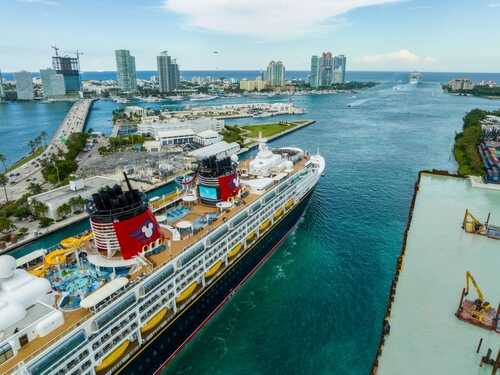
A shocking cruise ship death is exposing just how little protection American families really have once they step onto foreign-flagged “floating cities” that play fast and loose with safety.
Story Snapshot
- A wrongful death lawsuit says a Royal Caribbean passenger was served 33 alcoholic drinks before security violently restrained him and he died.
- The autopsy reportedly ruled the case a homicide caused by mechanical asphyxia and alcohol intoxication after an on-ship takedown.
- The case is fueling new calls from conservatives for stronger U.S. oversight of global corporations that operate beyond American standards.
Allegations of 33 Drinks, Violent Restraint, and a Homicide Ruling
The lawsuit filed by the family of passenger Virgil Smith alleges that Royal Caribbean bartenders kept serving him alcohol until he had consumed roughly thirty-three drinks over several hours aboard the ship. According to the complaint, once he was severely intoxicated, ship security confronted him and the encounter escalated. The filing claims guards tackled him, pressed their full body weight onto him, deployed multiple cans of pepper spray, and oversaw the administration of a sedative while he was already in distress.
According to the family’s attorneys, Smith died hours later, and an autopsy concluded his death was a homicide caused by mechanical asphyxia combined with alcohol intoxication. Mechanical asphyxia typically occurs when a person cannot breathe because their body position and external pressure restrict their chest or airway, a risk that increases dramatically when someone is pinned face-down while intoxicated. The family argues that if the crew had followed basic standards on alcohol service and safe restraint, Smith would likely still be alive today.
Watch: https://www.youtube.com/watch?v=dSslKjk5CiM
‘Fast and Loose’ Ship Rules Under Foreign Flags
The lawsuit highlights a deeper concern long familiar to conservatives who distrust globalist loopholes: major cruise lines often sail under foreign flags, putting them under looser regulations than those that protect Americans at home. Experts cited in coverage describe Royal Caribbean’s shipboard practices as “fast and loose,” especially regarding all-you-can-drink style packages that encourage heavy consumption.
This incentive structure can leave average American families badly exposed. Once passengers step onto a vessel registered in a lenient jurisdiction, many U.S. protections they take for granted effectively vanish. The Smith case fits a broader pattern of cruise incidents where over-service of alcohol was followed by tragedy, from fatal falls to assaults and drownings.
Power Imbalance Between Families and a Global Corporation
The Smith family now faces an uphill battle that underscores how ordinary people can be outgunned by multinational corporations. Royal Caribbean controls the crew, the security reports, and much of the onboard surveillance evidence, while operating from a position of strength shaped by decades of favorable treaty frameworks. The plaintiffs’ law firm is pushing for access to logs, CCTV footage, and internal policies, arguing that company rules on alcohol sales and physical restraint directly contributed to the fatal outcome.
From a conservative perspective, the case raises serious questions about personal responsibility on both sides of the bar. Even if Smith chose to drink, the lawsuit insists that trained staff knowingly kept serving far past any sensible limit, then used aggressive force when predictable problems surfaced.
What This Means for American Passengers and Policy
Beyond one tragic death, the lawsuit could have ripple effects across the cruise industry. In the short term, it may trigger renewed scrutiny of shipboard security tactics, including use of pepper spray, prone restraints, and sedatives on intoxicated passengers. Mechanical asphyxia has been widely documented in law enforcement contexts when suspects are held face-down under pressure; applying similar tactics in a cramped maritime setting, on a person who has consumed dozens of drinks, looks like a recipe for disaster.
Royal Caribbean sued over cruise passenger’s death as ship rules prove ‘fast and loose’: expert
Source – Fox News
— Prime View News (@primeviewnews) December 12, 2025
Longer term, this case may feed into broader debates already taking shape under the new Trump administration about reasserting American standards over powerful global players. Conservatives who are tired of unelected international bodies and corporate lawyers writing the rules see these foreign-flagged “floating resorts” as another arena where American lives are cheapened by distant bureaucracies.
Sources:
Royal Caribbean Wrongful Death Lawsuit – Kherkher Garcia