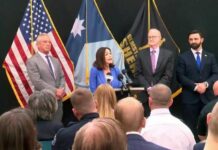
After a Democrat tried to turn a surprise detention-center drop-in into a viral moment, Immigration and Customs Enforcement pointed to its own written rules and calmly shut the stunt down.
Story Highlights
- Immigration and Customs Enforcement policy requires advance notice for congressional staff visits, or access is denied.
- Courts have reaffirmed that Members of Congress can enter Immigration and Customs Enforcement detention centers without prior notice, creating a split between member access and staff rules.
- Democrats frame unannounced visits as vital oversight; Immigration and Customs Enforcement says coordination prevents disruptions and protects safety.
- The tug-of-war over visits is part of a long-running fight about oversight, process, and security at immigration facilities.
What Immigration and Customs Enforcement Policy Actually Says
Immigration and Customs Enforcement’s February 2025 policy tells congressional staff to give at least 24 hours’ notice before a facility visit. The document is direct: when staff do not provide notice, access will be denied. The policy draws a bright line between elected Members and their staff, signaling that operations and safety need planning when staff arrive. This is not a rumor or a leak. It is posted policy that any office can read before showing up.
Separate guidance summaries from immigration policy trackers confirm the same split. Members can conduct unannounced oversight visits under appropriations law, but staff must coordinate. Agencies say the rule helps keep order inside secure facilities and protects detainees and officers. That stance does not cancel legal rights. It creates lanes for who must notify and when. The agency’s message is simple: follow the process, and visits proceed without chaos.
What Courts Have Said About Member Access
Federal courts in 2025 and 2026 rejected attempts to force Members of Congress to give days of advance notice. Judges pointed to a standing appropriations rider that protects unannounced entry for oversight. An appeals court said surprise visits cause minimal disruption and that security can be handled without shutting doors. That means Members keep drop-in rights, even as agencies enforce separate scheduling rules for staff who travel with them.
That history matters for everyone who cares about limited government and real oversight. Congress writes the checks. Congress gets to look behind the curtain. But courts did not erase every operational rule. They preserved surprise visits for elected Members while leaving room for basic management steps around staff access and detainee privacy. That balance respects both constitutional oversight and the duty to run safe, lawful facilities without turning visits into media circuses.
How Democrats Are Framing Their Visits
Democratic lawmakers argue that unannounced visits are the only way to see true conditions. They say scheduled tours can be “sanitized,” with rehearsed answers and narrowed access. Some Democrats pledge more surprise inspections and say new Immigration and Customs Enforcement policies make real oversight harder. Those claims target detainee interview rules and contact lists that, they argue, tip off facilities before lawmakers arrive and blunt the effect of surprise.
One Democrat publicly said he conducted an unannounced visit and that the agency let him in consistent with recent rulings. That lines up with the legal framework protecting Members’ access. But it does not erase the staff-notice requirement that Immigration and Customs Enforcement spelled out in its policy. The law can allow a Member’s entry while still letting the agency manage how staff, escorts, and media move inside a secure site, so operations are safe and orderly.
Why This Matters for Security, Accountability, and Taxpayers
Immigration enforcement is high-stakes work. Officers deal with gang affiliates, cartel smugglers, and people with pending criminal charges. Surprise Member visits can expose waste and abuse, which conservatives support. But no one should want rushed, uncoordinated staff swarms that disrupt housing units or court dockets. A clear rule—Members can enter unannounced, staff must give notice—protects both oversight and safety. It also keeps taxpayers from funding performative chaos instead of real accountability.
We were glad to host you, Congresswoman. For those curious, here’s what happened:
Prior to the visit, the Congresswoman signed ICE’s Facility Visitation Agreement form, indicating she would abide by all processes and policies governing personal conduct at ICE facilities. One of…
— U.S. Immigration and Customs Enforcement (@ICEgov) August 21, 2026
The broader pattern is not new. Executive agencies often try to tighten procedures. Lawmakers assert their rights. Courts draw the lines. Here, the lines are readable: unannounced Member access is protected; staff must coordinate. The smart play for congressional offices is to honor staff notice rules, walk in with the Member, and then do real fact-finding. That approach defends oversight, respects the rule of law, and keeps facilities secure for officers, detainees, and the public.
Sources:
twitchy.com, ice.gov, immpolicytracking.org, democrats-judiciary.house.gov, politico.com, wsws.org