Captured on video, the execution of a hospital worker by men in regime uniforms in Syria’s Druze city exposes the deadly consequences when governments and sectarian violence collide.
Story Snapshot
- Syrian security forces executed an unarmed hospital worker in Sweida, caught on security footage.
- The killing occurred during intense sectarian clashes, with evidence of government complicity and violations of humanitarian norms.
- The Syrian government has promised an investigation, but minority leaders and international groups demand independent accountability.
- The incident highlights ongoing risks to minorities and medical workers in post-conflict Syria, raising questions about the legitimacy and stability of the new regime.
Hospital Killing Exposes Fragile Security and Sectarian Tensions
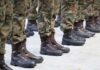
On July 16, 2025, security cameras in Sweida National Hospital recorded a chilling scene: four men in military fatigues, joined by an Interior Ministry official, executed an unarmed hospital worker in full view of staff and patients. This act took place amid violent clashes between Druze militias and Bedouin tribes, with government forces entering the city under the guise of restoring order. Eyewitness and video evidence indicate that government-aligned forces sided with Bedouin groups, intensifying fears among minorities of state-backed violence in a city already isolated by conflict and shortages.
Syria condemns killing of unarmed man in Sweida hospital as video of incident surfaces
➡️ https://t.co/URHzWVP6ud pic.twitter.com/vLXyeqxlrJ— FRANCE 24 (@FRANCE24) August 11, 2025
The incident is not just another tragedy in Syria’s long conflict; it stands out because it occurred inside a medical facility, a violation of international humanitarian law. Hospital staff were reportedly forced to kneel, and the victim was shot after resisting, sending shockwaves through the Druze community and drawing condemnation from international human rights organizations. The swift spread of the footage online has forced the Syrian Interior Ministry to announce an official investigation, but skepticism remains high given the history of impunity for similar abuses in the region.
Minority Communities and Medical Workers Face Growing Dangers
Sweida’s Druze population, historically autonomous and neutral during earlier phases of the Syrian war, now finds itself increasingly targeted. The power vacuum left by Assad’s fall and the rise of Ahmed al-Sharaa, a former jihadist leader, has failed to deliver on promises of inclusivity and protection for minorities. Instead, the government’s reliance on tribal militias and apparent lack of control has exposed minority communities and medical workers to grave danger. Attacks on hospitals and summary executions are becoming distressingly common, undermining trust in any new authority and raising alarms for the safety of those caught in the sectarian crossfire.
The humanitarian impact is severe; with Sweida’s medical staff under threat and supplies running low, entire communities are left vulnerable. The execution at the hospital was not an isolated act but part of a broader pattern of intimidation and violence that has prompted Druze leaders and international observers to call for a credible, international investigation and for the perpetrators to face justice in the International Criminal Court.
International Response and the Struggle for Accountability
The United Nations Security Council and leading rights organizations have demanded swift, transparent investigations and humanitarian access to Sweida. Despite official Syrian statements condemning the act and promising justice “regardless of affiliations,” many remain unconvinced of the regime’s willingness or ability to hold its own forces accountable. The government claims the attackers’ identities are under review, hinting at rogue or tribal elements, but activists and witnesses insist the uniforms and coordination point directly to state actors.
The fallout extends beyond Syria’s borders. The incident has strained the new administration’s quest for international legitimacy and aid, as global powers watch how Ahmed al-Sharaa’s government responds to these grave breaches of law and human rights. If accountability fails, the precedent set could endanger not just Syria’s minorities but also the integrity of humanitarian norms worldwide—reminding American readers why vigilance against government overreach, attacks on the vulnerable, and erosion of basic freedoms remains a universal imperative.
Sources:
Syria: Hospital Staff Forced To Kneel, One Who Rose Up Shot Dead
Security footage from Syria hospital shows men in military garb killing medical worker
In Syria, a cycle of revenge engulfs the Druze city of Sweida