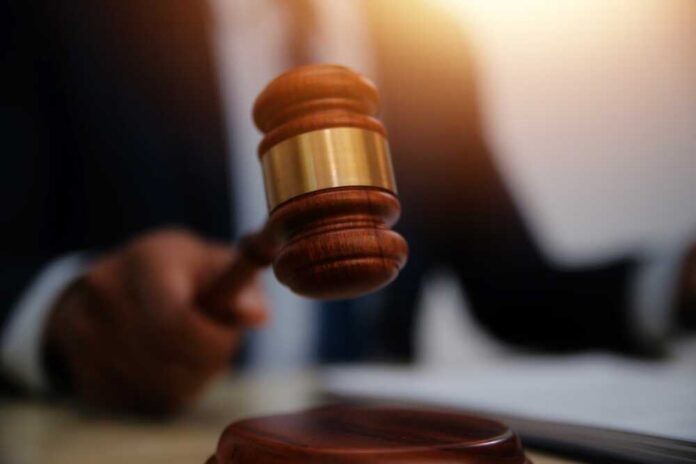
An administrative law judge recommended reversing a Wisconsin teacher’s suspension tied to a Charlie Kirk-related social media post, raising fresh First Amendment questions inside public schools.
Story Snapshot
- Judge recommends reinstatement after district suspended a teacher over social media comments.
- District policies ban disruptive or biased posts and allow discipline up to firing.
- Free speech advocates say political posts by teachers as citizens often have protection.
- Confusion over incident details shows why clear policies and records matter.
What Prompted the Suspension
Local outlets reported that a Wisconsin high school teacher was placed on administrative leave over alleged comments on social media. Reports linked the controversy to a post related to commentator Charlie Kirk. Officials cited employee social media policies that restrict personal use during duty hours and warn against content that could cause a substantial disruption. Those policies also allow discipline up to and including firing for violations, depending on severity.
Similar school district rules in Wisconsin and beyond include standard limits on posts that ridicule or express bias based on religion or sexual orientation, or that officials believe could reasonably cause major disruption to school operations. Attorneys who advise districts stress they must show disruption or a well-grounded prediction of it when they regulate employee speech. That showing often becomes the key legal question in any challenge to discipline.
Why a Judge Recommended Reversal
An administrative law judge reviewed the record and recommended reversing the suspension. That recommendation signals the district may not have met the burden to connect the post to on-the-job duties or to prove a material disruption. Public-employee speech law protects speech by citizens on public issues unless the employer’s need for order outweighs it. Teacher speech about politics, outside class and off duty, often receives protection under that balancing test.
The judge’s recommendation fits a broader trend where districts act first under broad policies, then face legal checks later. Legal guidance notes districts can restrict speech for time, place, and manner, or when speech creates a hostile environment. But when political speech occurs off duty, proof of disruption is critical. Without hard evidence of disruption, discipline is more likely to be overturned on First Amendment grounds in review or settlement.
Policy Limits Versus Free Speech Rights
School policies are designed to keep order in classrooms and protect students. They typically forbid personal social media use during the duty day and bar posts that demean people by creed, religion, or sexual orientation. They also authorize discipline, including termination, for violations. Those rules can be lawful when applied to on-duty conduct or to off-duty speech that sparks real turmoil on campus operations.
Free speech advocates counter that most political posts by teachers, made as private citizens, deserve First Amendment protection. They point to long-standing precedent that public employees keep speech rights on issues of public concern when not speaking in their official roles. Courts then weigh the teacher’s rights against the employer’s interests. Minimal disruption tilts toward protection, while clear, significant disruption can justify discipline.
Confusion Clouds the Record
Public discussion around the case has been messy. Some online threads mixed this dispute with a separate Verona incident involving a video about a signing gorilla, which was unrelated to the Charlie Kirk-linked post. That confusion shows why districts should keep accessible policies and clear records when disciplining staff. The Verona Area School District’s administrative rules page is referenced in coverage but offers little detail on the specific clause applied, leaving room for dispute.
Because details on timing and content remain thin in public view, the judge’s analysis likely turned on whether the district showed concrete disruption or a reasonable forecast of it tied to the post. When evidence is weak, reviewers tend to side with speech rights. That outcome does not erase policy needs. It reminds districts to apply narrow, clear rules and to document disruption before moving to suspend or fire a staff member.
What This Means for Parents and Taxpayers
Parents want order in schools and respect for the Constitution. This recommendation is a warning and a guide. District leaders should focus on clear, evenhanded rules, proven disruption, and narrow actions. Teachers should keep political posts to off-duty hours and avoid attacking students or coworkers. Citizens should expect both: calm classrooms and free speech that does not bow to partisan pressure or vague claims of offense.
Bottom Line for Conservative Readers
This case shows how broad policies can chill speech, especially when posts lean right-of-center. When officials cannot prove real disruption, the First Amendment usually wins. That is good news for anyone who speaks up about schools, culture, or faith. The judge’s recommendation suggests boundaries exist on bureaucratic overreach. It also reminds us to demand transparency, so policy does not become a tool to silence views some elites dislike.
Sources:
townhall.com, stranglawllc.com, isd12.org, milfordk12.org, nea.org, facebook.com, verona.k12.wi.us, kappanonline.org