
New warnings say fast-growing Flock camera networks, plagued by serious security flaws and legal blowback, could push America toward China-style mass surveillance.
Story Highlights
- Federal vulnerability records list critical flaws in Flock devices, including hard-coded passwords and improper access controls.
- Major police agencies and states are rethinking deployments as audits and lawsuits allege unlawful data sharing and privacy violations.
- Civil liberties groups warn license plate readers can build “pattern of life” dossiers on innocent drivers.
- Flock says the tools help solve crimes and find missing people, and it has announced new privacy guardrails.
Federal Records Flag Repeated Security Weaknesses
Federal cybersecurity records show Flock devices have contained high-risk flaws. One record says license plate reader firmware through version 2.2 exposed an on-chip debug interface with weak access control, which can open the door to tampering or data theft. Another record shows gunshot-detection units used a hard-coded password before version 1.3, a basic error that attackers often exploit to gain access without permission. These are not theoretical debates; they are logged, specific weaknesses in official databases.
Community trust depends on secure hardware and software. When devices that track vehicles at scale ship with known weaknesses, the risk shifts to families, churches, and small businesses that never opted in. If bad actors can enter, they can pull data, alter settings, or plant false alerts. That harm would not just be technical. It could lead to wrongful stops, doxing, or follow-home crimes. Security failures in tools this powerful are never just bugs; they are civil liberty hazards.
Audits, Pauses, and Lawsuits Signal Growing Backlash
Illinois officials said a statewide audit found Flock violated state law by sharing sensitive data with federal agencies, prompting the company to pledge changes. The Los Angeles Police Department paused its use of Flock cameras amid concerns over control and sharing, following an inspector general review urging restraint and tighter rules. In California, a class action lawsuit alleges Flock-enabled sharing broke state privacy laws by exposing driver data to out-of-state and federal users without proper safeguards. These actions reflect mounting pressure for oversight.
Courts are also seeing claims that the systems enable warrantless tracking at scale. A Colorado lawsuit says city use of Flock cameras catalogs people’s movements without legal process, handing police broad access to location histories. Many readers accept targeted use after a crime. The problem is bulk collection across entire neighborhoods, which can log every church visit, doctor stop, and political meeting. Once stored, data tends to spread. That is the classic “function creep” that conservatives have long resisted.
Why License Plate Networks Threaten Everyday Privacy
Policy research explains how automated plate readers sweep up the vast majority of drivers who did nothing wrong, often retaining time and location records that reveal habits and associations. Legal scholars warn that alerts and bulk queries raise constitutional questions, especially when retention is long and sharing is broad. When stitched across cities and counties, these logs can show a “pattern of life.” That map is power. In the wrong hands, it chills speech, faith, and lawful assembly.
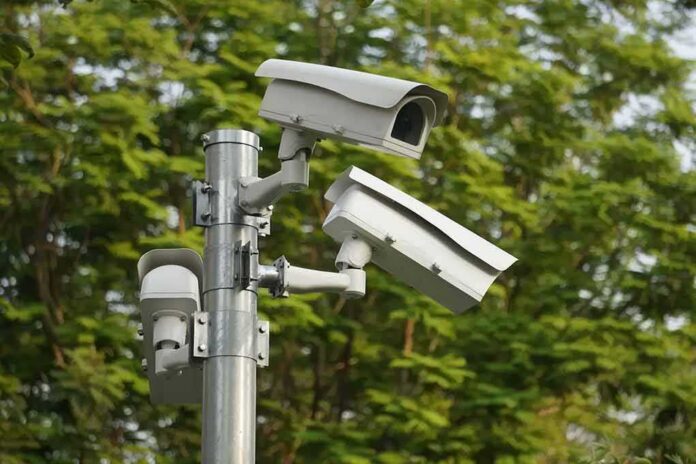
Civil liberties advocates add that nationwide networks act like a tracking grid, not a narrow tool, because the cameras scan every car that passes, all day, every day. Even if a local agency intends to use the system well, other partners may not. Sharing rules vary. Audit logs exist, but too often they are checked only after an abuse claim, not before, when a misuse could be stopped. That is backwards for a technology that can follow families to school, work, and worship.
Flock’s Public Defense and Promised Guardrails
Flock says its platform helps police find stolen vehicles, catch suspects, and locate missing people faster, while offering customer control, encryption, and role-based access to protect privacy. The company has also publicized changes, like shorter retention and tighter access, responding to rising concern. These are positive steps if they are enforced in contracts, verified by audits, and backed by real penalties for misuse. Conservatives back crime-fighting, but they also demand proof that rights come first.
I want stolen cars and missing people found. That is not the argument.
The hypothetical fear was made manifeest in Sheboygan. The city council bought Flock for crime. Then Flock tried to sell the city five years of speed and traffic data from those same cameras. The mayor says… pic.twitter.com/HXtOCTbC7E
— Nemo Stone (@NemoGneiss) September 6, 2026
The lesson for towns and sheriffs is simple. Ask for every contract, retention rule, and sharing path in plain English. Require short retention by default, strict warrant rules for bulk searches, real-time misuse alerts, and third-party security tests. Demand that data stays local unless a judge says otherwise. President Trump’s administration is pushing accountability across agencies, but local leaders sign these deals. Protect your people’s rights before the first camera ever switches on.
Sources:
nypost.com, salvacybersec.medium.com, upguard.com, nvd.nist.gov, deflock-deerpark.org, classaction.org, wrdw.com, app.opencve.io