
Arsonists torched a 19th-century city hall in Limoges as violent mobs attacked public buildings across France, leaving thousands arrested and officers injured, according to officials and reporters on the ground.
Story Snapshot
- Limoges’ historic city hall was largely destroyed by arson; other city halls were attacked.
- Authorities reported more than 2,000 arrests nationwide and hundreds of injured officers.
- French leaders blamed radical far-left groups and criminals for “insurrectionist” violence.
- Large peaceful protests mixed with targeted attacks, looting, and clashes with police.
Coordinated Attacks on State Symbols and City Centers
Reporters in France documented arson and assaults on state buildings in multiple cities, not just one hotspot. A 19th-century city hall in Limoges was largely destroyed in a nighttime blaze. City halls in Lille and Marseille were also attacked. Fires, smashed windows, and street battles hit Paris, Lyon, and other locations. These strikes on civic symbols aimed at the heart of public order and local government, not just private storefronts or random targets.
Police described wide dispersal of unrest, with scenes of looting and violent clashes alongside more routine protest marches. The scale exceeded ordinary demonstrations. Officials reported more than 2,000 arrests across the country and more than 600 injured officers as they struggled to hold ground and protect public sites. Those numbers give a sense of how quickly street anger turned into organized destruction and opportunistic crime, well beyond political speech alone.
Officials Blame Radical Far-Left Groups and Criminals
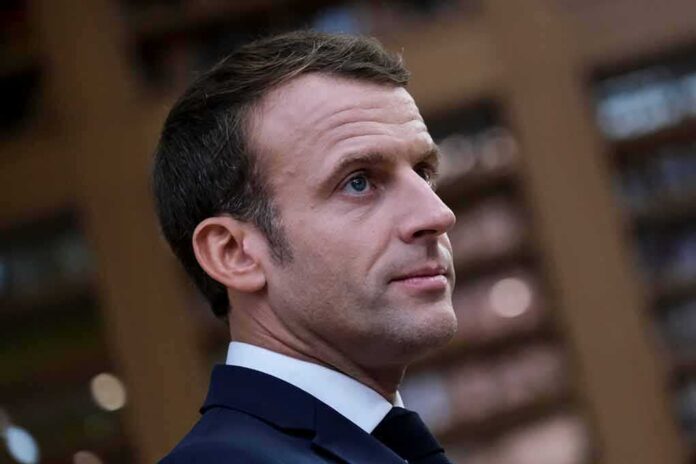
President Emmanuel Macron condemned “unrestrained violence” and vowed to hold to account those who, in his words, sought to bring down the Republic. Prime Minister Sébastien Lecornu described “ultra-left” actors and criminals as driving the worst incidents. The Paris police prefect and the interior minister echoed that line, highlighting “extremely violent” tactics, including arson and ambushes against officers. Those statements shaped a clear government view that a radical fringe hijacked the protests.
Conservative readers will recognize the pattern: large crowds provide cover while a hard edge aims at state authority. French coverage separated peaceful marchers from violent cells. Major outlets reported hundreds of thousands marching, while fringe groups targeted public buildings, looted businesses, and attacked police and vehicles. That mix mirrors unrest we have seen in other Western cities, where ideological militants and criminals exploit legitimate crowds to wage a street campaign.
Peaceful Grievances Versus Violent Fringe
Protesters cited school staffing shortages, decaying facilities, and the rising cost of living. Labor groups demanded higher wages, lower prices, and protection of public services. Students pointed to crowded classrooms and absent teachers. Those concerns brought many ordinary people into the streets. But legitimate grievances do not excuse arson at a historic city hall or assaults on police. The same day saw peaceful marches and violent raids, and French reporters documented both sides of that split.
Some left-wing leaders criticized the government and policing, saying coverage overplayed clashes and underplayed calm marches. That debate will continue. What is not in dispute is what burned and who bled: public buildings were attacked, shops were looted, and hundreds of officers were injured. Arrest totals are not the same as convictions, and officials have not offered a verified breakdown by ideology. Still, the volume of arrests and scale of damage show serious criminal conduct alongside protest crowds.
Why This Matters for America’s Security and Values
America should pay attention when mobs try to topple civic order by torching government buildings. Our own cities have felt versions of this playbook. When radicals and criminals hide inside mass marches, they threaten the rule of law and the safety of families. French leaders now face a hard test: punish arson and attacks without silencing peaceful speech. That balance matters on both sides of the Atlantic, where constitutions protect protest but demand accountability for violence.
During the October 2026 protests and riots in France, two deaths have been reported. That's #all
— Evan Syms (@EevanSyms) October 19, 2026
Here at home, the lesson is clear. Protect lawful protest. Back police who guard courthouses, schools, and city halls. Demand clear data and transparency from governments after unrest, including charges and outcomes. In France, reporters say authorities are still sorting affiliations and motives. Until case files finish, one fact stands: burning a city hall is not speech. It is a crime against a community, its history, and the basic order free people need to live and work.
Sources:
nytimes.com, bbc.com, npr.org, reuters.com, cnbc.com