
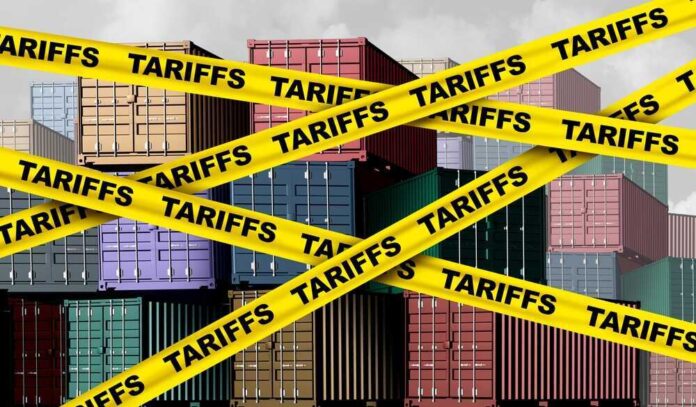
Levi Strauss warns that “rising anti-Americanism” tied to Trump-era tariffs now threatens iconic U.S. brands abroad.
Story Snapshot
- Levi’s files official warnings citing anti-American sentiment as a direct risk to international sales, especially in the UK.
- Trump-era tariffs and ongoing trade disputes have fueled consumer backlash and boycotts against U.S. brands.
- Despite strong UK profits, Levi’s reports declining store traffic and staff cuts linked to shifting consumer attitudes.
- Experts caution that entrenched anti-Americanism could have lasting effects on U.S. economic influence and brand reputation overseas.
Levi’s Cites Anti-American Sentiment as a Threat to Global Sales
Levi Strauss & Co., a cornerstone of U.S. culture since its founding in 1853, has filed official warnings in the UK, highlighting that “rising anti-Americanism” now poses a real threat to its international business. The company points directly at the impact of Trump-era tariffs and related policies, which have prompted not just government retaliation but also a consumer shift away from American brands in key overseas markets. Levi’s is among the first major U.S. consumer companies to publicly connect its sales risks to specific U.S. government actions, signaling a new era where geopolitics and brand identity are deeply intertwined.
Levi's Issues Warning Over 'Rising Anti-Americanism' – Newsweek https://t.co/lZmljwXtBj
— ken crichlow (@ken_crichlow) September 3, 2025
How Tariffs and Trade Disputes Sparked Backlash Against U.S. Brands
The Trump administration’s imposition of tariffs from 2018 to 2020 targeted imports from the EU, Canada, China, and India, sparking a series of retaliatory measures and escalating trade tensions. These moves triggered official and grassroots boycotts in countries like Canada and India, setting the stage for a broader anti-American backlash. Levi’s, with its brand rooted in American identity, became a symbolic target. The UK and other European markets—crucial for Levi’s revenue—have seen consumers increasingly opt for local or European brands, a trend aggravated by rising inflation and stronger competition from homegrown businesses.
Financial Results Mask Deeper Risks for U.S. Brands in Europe
Although Levi’s recently reported an 8.8% sales increase and a 23% jump in pre-tax profits in the UK, the company’s filings reveal declining store traffic and reduced employee headcount. These trends, Levi’s says, are partly a result of anti-American sentiment and broader market pressures. Other U.S. brands like Jack Daniels and McDonald’s have reported similar challenges, with sales falling in Canada and Europe amid ongoing trade conflicts and calls for consumers to “buy local.” Levi’s warning reflects a wider concern that even strong financials can mask vulnerabilities if the underlying hostility toward American products continues to grow.
Broader Implications for U.S. Economic Influence and Brand Power
The anti-American backlash has both short- and long-term implications for American companies and the broader economy. In the short term, U.S. brands risk losing market share, facing tighter profit margins, and seeing increased competition from local brands. Over time, consumer preferences could harden against American products, potentially weakening the global influence of U.S. culture and business. Experts agree that while some backlash may be cyclical and fade with changes in leadership or policy, entrenched negative sentiment could result in lasting damage to the reputation and reach of iconic American brands like Levi’s.
Sources:
Levi’s warns Trump tariffs fuel anti-American backlash among UK shoppers
Trump tariffs: Levi’s UK flags ‘anti-American’ risk
Anti-Americanism risks damaging our brand, says Levi’s
Levi’s sounds the alarm: Trump’s tariffs are damaging U.S. brands
Levi’s warns that anti-Americanism could affect its UK sales