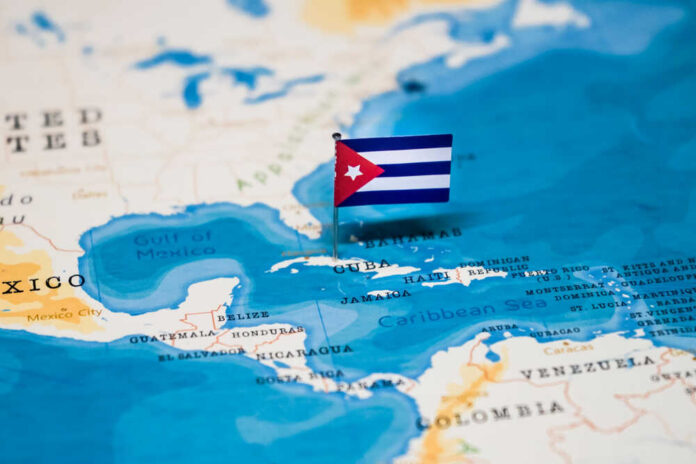
Trump’s latest crackdown on Cuba’s communist rulers is turning decades of failed “engagement” on its head — and he is vowing America “will not rest” until the Cuban people taste real freedom.
Story Snapshot
- Trump has formally hardened Cuba policy, cutting off cash flows to the regime’s military and intelligence apparatus.
- The administration ties Cuba’s dictatorship to human-rights abuses and threats to United States national security.
- New and existing sanctions, including a strict embargo, form a “maximum pressure” campaign on Havana’s communist elite.
- Cuban leaders rage about “blockade” and “interference,” proving the pressure is hitting the right targets.
Trump Turns the Screws on Cuba’s Communist Dictatorship
White House policy now treats Cuba’s rulers as what they are: a repressive, anti-freedom regime that lives off state-controlled cash and foreign enablers. In 2025, President Donald Trump signed a National Security Presidential Memorandum to “strengthen the policy of the United States toward Cuba,” ending economic practices that benefit the Cuban government, military, intelligence, and security agencies at the expense of ordinary Cubans.[1] This is not symbolism; it is a structural change that goes after the regime’s wallet.
The policy targets entities like the Cuban military conglomerate Grupo de Administracion Empresarial S.A., blocking most United States financial dealings that once helped generals live comfortably while their people stood in food lines.[1] By enforcing a statutory ban on tourism and demanding audits and records of travel, the administration is closing the backdoor many American travelers unknowingly used to pour dollars into military-run resorts and companies.[1] The message is clear: no more American subsidies for communist oppression masquerading as beach vacations.
Freedom, Not “Engagement,” as the Organizing Principle
Trump’s team has anchored Cuba policy around human rights, political prisoners, and basic liberties that the island’s rulers routinely crush. The same White House framework requires a review of abuses in Cuba, including unlawful detentions, inhumane treatment, and the status of fugitives from American justice harbored by Havana.[1] At the same time, the administration directs resources toward expanding internet access, free press, free enterprise, free association, and lawful travel for the Cuban people.[1] The goal is to starve the oppressors while empowering the oppressed.
For conservative readers, this stands in stark contrast to years of “normalization” rhetoric that treated the regime like just another tourist destination while dissidents were beaten or jailed. Trump’s approach recognizes that without political pluralism, free speech, and real opposition parties, any so-called reform is cosmetic. Independent watchdog Freedom House classifies Cuba as “not free,” citing bans on political pluralism and suppression of dissent.[2] Aligning United States policy with that reality, instead of romantic slogans, is basic common sense.
Maximum Pressure: Oil, Money, and the Regime’s Time Running Out
The administration has moved beyond speeches, launching a maximum-pressure campaign with real economic bite. United States officials have severely limited oil shipments to Cuba, which contributed to fuel shortages, big price hikes, and rolling blackouts.[2] Washington has also authorized tariffs on goods from other countries that help supply oil to the regime, making it harder for Havana to hide behind foreign intermediaries.[2] These tools complement the long-standing comprehensive embargo first imposed in 1962, which still forms the legal backbone of pressure on the dictatorship.[4]
The Justice Department just charged 94-year-old Raúl Castro with murder and conspiracy in the 1996 shootdown of two civilian planes, killing four Miami-based exiles. A major escalation in the Trump admin’s pressure on Cuba’s regime. #Castro #BreakingNews #Cuba
— Capitol Veil (@CapitolVeil) May 21, 2026
Experts cited in policy analysis admit they do not know whether this pressure will trigger rapid regime change, and some doubt the system will collapse quickly.[2] That uncertainty is exactly why Trump has doubled down instead of backing off. The administration’s stance is that after nearly seven decades of communist rule, there is no reformist savior hiding inside the regime; only sustained pressure and clear conditions for real democratic transition, as reflected in laws like the Helms–Burton framework, can open space for Cubans to decide their own future.[2] Patience and toughness go hand in hand.
Dictators Complain, Dissidents Signal Hope
Cuban leaders have responded the way authoritarian elites always do when their privileges are threatened: with loud denunciations. Havana has blasted United States indictments and sanctions as “despicable accusations,” “collective punishment,” and interference in internal affairs.[3] Those protests sidestep the substance of United States allegations, including charges related to the 1996 shootdown of civilian aircraft, which remain allegations but speak to a long record of hostility toward civilians and dissidents.[3] The dictatorship prefers emotional claims of victimhood over documentary transparency.
At the same time, Cuban dissidents and exiles have used what platforms they have to plead for firmer action from Washington, launching campaigns that explicitly ask Trump to help end the regime’s grip on power. While our available record here does not include sworn testimony or declassified intelligence that would satisfy every critic, it does show a consistent pattern: the people risking their lives to oppose communism see United States pressure not as imperialism but as solidarity. For many families who fled socialism’s wreckage, “we will not rest” is not a slogan; it is a promise.
Balancing Security, Morality, and American Interests
Some analysts and foreign critics argue that sanctions hurt ordinary Cubans and create humanitarian strain.[2] The public record we have does not cleanly separate which hardships stem from sanctions and which result from decades of failed socialist economics.[2] What is clear is that Cuba’s rulers control the economy, crush private initiative, and exploit state-owned enterprises to maintain power. Ending United States pressure would not magically turn them into democrats; it would merely refill their coffers.
For Americans who cherish the Constitution, free markets, and religious and political liberty, Cuba is a cautionary tale of what happens when socialism and one-party rule go unchecked. Trump’s stance reminds us that foreign policy is not just about elite cocktail parties in embassies; it is about choosing sides between those who demand obedience and those who whisper, often in fear, about freedom. By cutting off oil, money, and lifelines to the regime while backing the Cuban people’s rights, this administration is putting action behind words and signaling that communist tyranny just ninety miles from Florida will not be treated as normal ever again.[1][2][4]
Sources:
[1] Web – Fact Sheet: President Donald J. Trump Strengthens the Policy of the …
[2] Web – Trump’s ‘Maximum Pressure’ Campaign on Cuba, Explained
[3] YouTube – Trump: A Deal Will Be Made To Make Cuba Free Again …
[4] Web – Cuba Sanctions – United States Department of State