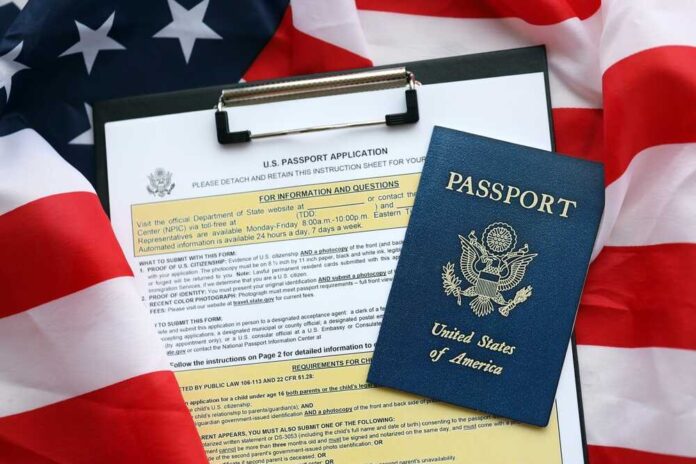
The Trump administration’s latest move aims to fortify American values by introducing a stricter US citizenship test.
Story Highlights
- Stricter US citizenship test introduced under the Trump administration.
- Focus on American history and values to ensure immigrants understand the country’s core principles.
- The move is seen as a step to safeguard the nation’s cultural heritage.
- Potential impact on immigration numbers and integration processes.
Introduction of Stricter US Citizenship Test
In a decisive step towards reinforcing national identity, the Trump administration has unveiled a more challenging US citizenship test. This revision is aimed at ensuring that prospective citizens have a thorough understanding of American history, government, and values. By emphasizing these areas, the administration seeks to cultivate a deeper appreciation and respect for the nation’s foundational principles among new citizens.
The updated test places a strong emphasis on topics such as the Constitution, the Bill of Rights, and other pivotal historical events. This move is expected to align with conservative values, as it underscores the importance of understanding and upholding the country’s cultural and legal framework. The changes are designed to filter applicants who are genuinely committed to assimilating into American society and contributing positively to its legacy.
Watch: Trump Administration Rolls Out Stricter US Citizenship Test | Firstpost America | N18G
Implications for Immigration and Integration
By tightening the criteria for citizenship, the administration aims to address concerns about the impact of unchecked immigration on national identity. This policy is expected to reduce the number of applicants who may lack a genuine commitment to American values. However, it may also present challenges for those aspiring to become citizens, potentially impacting immigration numbers. Supporters argue that a more selective process will lead to a stronger, more unified nation where citizens are well-versed in the country’s history and ideals.
Critics of the policy argue that it may create additional barriers for immigrants, particularly those from non-English speaking backgrounds. Nevertheless, proponents believe that the long-term benefits of fostering an informed and engaged citizenry outweigh these concerns. The administration’s focus on cultural integration is seen as a necessary step to preserve America’s unique identity in an increasingly globalized world.
Reactions from the Public and Policymakers
Public reaction to the new citizenship test has been mixed. Many conservative voices have praised the move as a necessary measure to protect American values and ensure that new citizens are fully integrated into society. Conversely, some advocacy groups have raised concerns about the potential for discrimination and exclusion. Policymakers are divided, with supporters emphasizing the importance of national cohesion and detractors warning of potential repercussions for the country’s diversity.
As the nation grapples with these changes, the debate over immigration policy continues to be a focal point for political discourse. The Trump administration’s decision to implement a stricter citizenship test reflects its broader commitment to promoting American exceptionalism and safeguarding the nation’s heritage. Whether these measures will achieve their intended outcomes remains to be seen, but they undeniably mark a significant shift in the country’s approach to citizenship and immigration.
Sources:
https://www.cbsnews.com/news/us-citizenship-test-immigration-process/
https://www.nytimes.com/2025/09/18/world/europe/us-citizenship-test.html