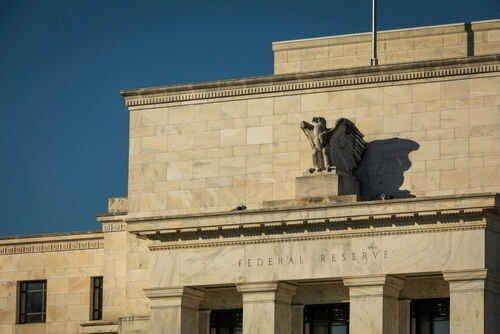
Kevin Warsh’s first House testimony as Federal Reserve chair put the fight over Fed independence back in the spotlight, with Trump’s pick insisting no deal was made on interest rates.
Quick Take
- Warsh said the president never asked him to promise a specific interest rate move.
- He said he would not agree to any such request and stressed Fed independence.
- Reports also noted questions about asset sales and ethics compliance.
- Market watchers said the hearing landed during a noisy news cycle that may have drowned out the policy debate.
Warsh Draws a Line on Interest Rates
Kevin Warsh told lawmakers he was not hired to serve as a political errand runner. During his hearing, he said the president never asked him to commit to any specific interest rate decision, and he said he would never agree to that kind of demand. That answer went straight to the core fear many Americans have about Washington power: the risk of turning the Federal Reserve into another arm of the White House.
Warsh also framed Fed independence as central to his job. He said the central bank must keep monetary policy separate from politics, even while elected officials voice strong opinions about rates. That message fits a long-running American debate over whether the Federal Reserve should answer only to data or also to the public pressure that comes with the Oval Office. Reuters said Warsh’s first major testimony was set for lawmakers after his appointment by President Donald Trump.
What Lawmakers Focused On
The hearing did not stay on one track. Coverage of the session said lawmakers pressed Warsh on his independence, his plan for inflation, and his handling of more than $100 million in financial assets that he has not fully disclosed. The Wall Street Journal reported that his asset divestment plans were part of the scrutiny, which gave the hearing a second layer beyond monetary policy alone.
That matters because trust is the whole game when a central bank chair speaks about rates. If the public thinks the job is shaped by favors, markets and families both pay the price. Warsh’s critics argued that a “puppet” would help the president use Fed power for private gain, while Warsh rejected that idea outright. BBC reported that he answered “Absolutely not” when asked whether he would be a puppet for the president.
Ethics Questions Cloud the Picture
One of the more uncomfortable moments came from the ethics side of the hearing. Video from the hearing showed Warsh being warned that he would not be in compliance until he disposed of all the assets he identified to the Office of Government Ethics. That warning did not prove wrongdoing, but it did raise an obvious question about how ready he was to take the job cleanly and without baggage.
Fed Chair Kevin Warsh appears before House panel today. His first testimony as Fed chair. Debate is looming about raising interest rates
— Chad Pergram (@ChadPergram) July 14, 2026
The broader backdrop made the stakes even higher. One report said markets were already dealing with oil shocks and geopolitical tension, which can drown out even major testimony on monetary policy. In that kind of climate, a Fed chair needs clear words and clear proof. Warsh’s testimony aimed to calm fears about political control, but the ethics warning and the asset-sale issue kept the focus from moving fully onto rates and inflation.
Why Conservatives Are Watching Closely
For readers worried about government overreach, the hearing carried a simple lesson. The Federal Reserve has enormous power over borrowing costs, savings, jobs, and the value of money. When a president is seen as pushing for easier money, many see the same old Washington pattern: spend more, print more, and leave regular people to live with the inflation. Warsh’s defense of independence sounded like an effort to keep that power at least somewhat fenced in.
Still, the hearing showed how messy central bank politics have become. Warsh said no one asked him to promise lower rates, and he said he would not make that promise anyway. Yet reports also showed lawmakers digging into his finances and compliance status, which keeps the story from being a clean win for anyone. If his confirmation advances, his next test will be whether he can act as an independent chair when the pressure gets real.
Sources:
bbc.com, youtube.com, listennotes.com, punchbowl.news, wsj.com