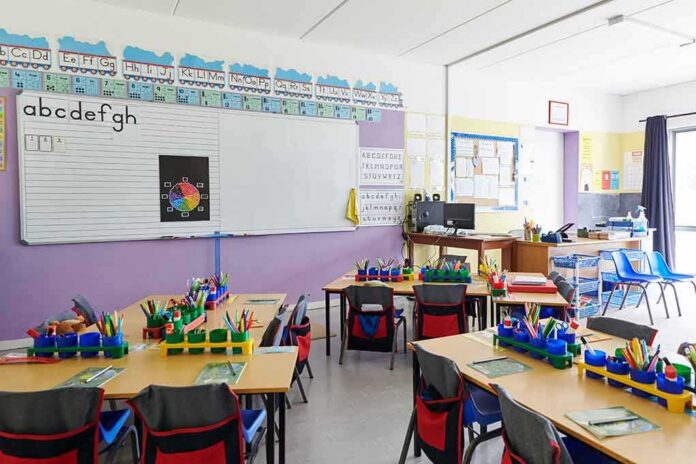
Health and Human Services just scrapped a Biden-era order that would have forced Head Start programs to match public-school teacher pay, a move the agency says prevents massive costs and protects tens of thousands of seats for low-income kids.
Story Highlights
- HHS canceled 2024 pay-parity mandates for Head Start, citing cost and local flexibility.
- The Biden rule was projected to cost about $2.1 billion a year by 2031.
- Officials say the rollback could preserve roughly 106,000 classroom slots.
- Critics warn lower pay may worsen staffing and reduce service quality.
What Changed And Why It Matters
The Department of Health and Human Services ended requirements that large Head Start grantees raise staff pay to match local public pre-kindergarten levels, or reach ninety percent of kindergarten teacher pay where no public pre-kindergarten exists. Officials said the 2024 mandates were costly and overly prescriptive, and that removing them restores flexibility to local programs. They argued the shift helps programs serve more children with the same federal dollars rather than cutting seats to fund mandated raises.
News outlets reported the Biden-era rule would have driven about $2.1 billion in annual costs by 2031, putting pressure on grantees already stretched by inflation and higher benefit costs. The Administration for Children and Families said keeping the mandates risked eliminating about 106,000 classroom slots nationwide as grantees rebalanced budgets to meet pay rules. The agency framed the rollback as a practical fix to protect access for low-income families who depend on these seats.
The Tradeoff: Access Versus Compensation
Head Start exists to serve vulnerable children, so seat losses carry a high cost. HHS argues that removing rigid pay rules avoids those cuts and keeps classrooms open. This aligns with a long-running policy tradeoff: higher mandated spending per employee can improve stability but may reduce total enrollment without new funding. The administration chose access first, with an eye on stewardship of taxpayer dollars, and the ability of local leaders to set pay that fits their budgets.
Critics counter that the mandates aimed to solve real staffing shortages. The Associated Press reported some programs already cannot hire enough teachers to run at capacity, and say pay hikes could help recruit and retain staff. The National Head Start Association and the National Education Association argue weak compensation fuels turnover and can lower quality, warning the rollback may widen inequities and stress classrooms further. Their claims reflect a widely discussed link between wages and workforce stability, though the current reports provide limited program-level outcome data.
What The Rule Did And Did Not Do
The canceled pay-parity rule mainly targeted larger programs with more than two hundred slots, tying wages to local public-school scales to narrow gaps with pre-kindergarten teachers. By reversing it, HHS said it removed costly requirements added in 2024 and returned decisions to local grantees, who face very different markets across states and counties. Officials said the aim is to protect access while giving managers room to set compensation, benefits, and schedules without one-size-fits-all federal mandates.
Unresolved questions remain. The projections about saving seats and avoiding billions in costs come from agency estimates described in news reports, without public release of full cost models in the cited coverage. Likewise, critics do not present new national turnover or classroom-quality data tied to this specific rollback in the available reports. Readers should expect more detail as HHS issues guidance and grantees adjust staffing plans over the next budget cycles.
What It Means For Families, Teachers, And Taxpayers
Parents want open classrooms, safe care, and consistent teachers. Teachers want fair pay and a stable workplace. Taxpayers want dollars to reach children, not get trapped in mandates that close doors. HHS says this rollback helps keep doors open and kids in seats by letting local leaders set pay they can sustain and by preventing large, unfunded cost spikes that crowd out enrollment. That is a conservative, local-control approach that favors access, flexibility, and fiscal realism.
Trump administration ends the rule requiring Head Start teacher pay to match local public preschool pay — a Biden-era mandate covering 700,000+ preschoolers’ teachers.https://t.co/dUkogLav6s#USNews #Education #HeadStart pic.twitter.com/57qx2UG9PQ
— US News Trendsignal (@USNewsTrend58) November 14, 2026
Critics will test that case in the months ahead. If grantees use flexibility to keep more classrooms open without worsening turnover, families benefit. If staffing weakens, HHS may face pressure to revisit standards. For now, the administration is betting that freeing communities from rigid pay mandates will protect more children today while Congress debates future funding. We will track program data as it emerges and hold Washington accountable for results, not slogans.
Sources:
washingtontimes.com, mercurynews.com, efinstitute.org, dailydigest.com, wfmj.producer.immergo.tv, newsprisma.com