California’s new AB 2624 is now facing a federal First Amendment lawsuit that says the law censors truthful reporting.
Story Highlights
- Nick Shirley filed a federal suit claiming AB 2624 punishes speech based on viewpoint and content.
- The complaint says the law chills reporting that uses truthful, lawfully obtained information.
- Covered “personal information” reportedly includes home addresses, phone numbers, jobs, and finances.
- State analyses frame AB 2624 as a privacy and safety measure tied to an address program.
What The Lawsuit Says AB 2624 Does To Speech
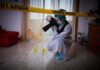
Nick Shirley, an independent journalist, sued California Attorney General Rob Bonta in federal court, arguing AB 2624 is content-based, viewpoint-discriminatory, overbroad, and vague. The Bloomberg Law report on the filing states the complaint targets the law’s speech restrictions as unconstitutional under the First Amendment. The New York Post summary adds that the law reaches truthful, lawfully obtained information about people tied to immigration-services groups, creating civil exposure for publishing certain personal details online. These claims go to the heart of protected reporting and public oversight.
The complaint, as described in reporting, says “personal information” covered by AB 2624 includes home addresses, phone numbers, employment history, and financial data, and that designated individuals can seek civil relief if such information is posted. The suit argues that this legal risk chills both future work and already published stories, because a reporter cannot know what content might trigger liability later. The filing asks the court to block enforcement to protect speech about public matters linked to immigration policy and public spending.
How California Defends The Law And What It Actually Covers
California’s own committee analyses describe AB 2624 as tied to the Secretary of State’s “Safe at Home” address-confidentiality program for immigration support services providers, employees, and volunteers who fear for their safety. The Senate analysis adds that the bill expands online privacy protections similar to those for reproductive health service providers, and it makes program participants’ personal information or images off-limits for public posting on websites or social media. The Los Angeles Times reported Governor Gavin Newsom signed the bill and emphasized address shielding and anti-doxxing goals.
CalMatters’ bill record notes AB 2624 was chaptered on August 22, 2026, and that the address program begins October 1, 2027. Supporters say the law aims to stop harassment and threats against people who serve immigrants, not to stop journalism. An advocacy summary also claims it does not restrict filming in public or change public records rules for organizations, and that it only applies to those who enroll in the address program. Those assurances, however, sit beside the lawsuit’s charge that the statute still sweeps in protected, truthful speech about matters of public concern.
Why First Amendment Stakes Are High For Reporters And Readers
The core clash is familiar: lawmakers say they are stopping doxxing and violence, while journalists warn the language can punish publication of lawful facts. The complaint contends AB 2624 regulates speech by subject and viewpoint, which triggers the highest judicial scrutiny. Reported details about civil exposure for sharing personal data raise special concern because routine reporting often relies on addresses, employers, and financial links to follow the money and check those who influence policy, spending, and immigration programs. If that becomes off-limits, sunlight fades.
🚨 California just made it harder to follow the money—and easier to hide from scrutiny.
Nick Shirley is doing what journalists used to do: pulling public records, showing up at facilities, and asking whether taxpayer-funded “immigrant service” operations are clean.
AB 2624… https://t.co/ibneToY8tA
— Texas Ricky (@rmacdon627) September 5, 2026
The record also shows early First Amendment concerns inside the Legislature’s own analysis process, signaling the conflict was known before passage. Even though the law’s main features do not take effect until October 2027, the suit argues the chill is happening now, including for past stories still online. Courts will weigh the state’s safety framing against the complaint’s showing that AB 2624 burdens newsworthy, truthful speech. Until then, reporters, watchdogs, and citizens should track this case, because it will shape how far states can go when they say “privacy” but regulate publication.
Sources:
reclaimthenet.org, nypost.com, news.bloomberglaw.com, aflegal.org, ahed.assembly.ca.gov, breitbart.com