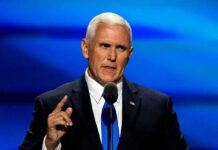
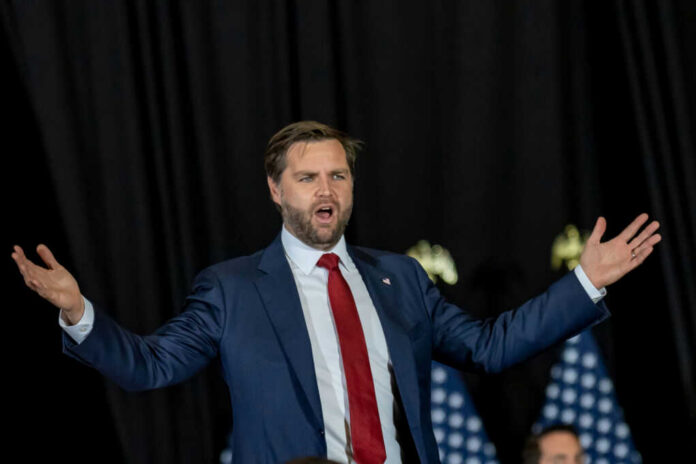
Vice President J.D. Vance says he has not decided on a 2028 run, even as allies signal he is well positioned to carry President Trump’s agenda forward.
Story Highlights
- Vance said he has not decided on a 2028 bid and could choose not to run.
- Vance believes President Trump would endorse him if he runs.
- Republican midterm setbacks reshaped talk about 2028 dynamics.
- Early polling and speculation are common but often unreliable indicators.
Vance Says Decision Will Come Later, Keeps 2028 Option Open
Vice President J.D. Vance told voters he has not made a decision about a 2028 presidential campaign. During a CBS News town hall in Michigan on October 17, he said he has not decided and admitted there is a chance he will not run. Two days later, Vance said aboard Air Force Two that he has not focused on 2028 yet. His comments match a normal pattern for high-profile leaders who want to keep options open without launching a campaign too early.
Vance also addressed a key question for conservative voters: whether President Trump would back him. He said that if he runs, he believes the president would endorse him. He added that he has not spoken with President Trump about a bid. The message signals alignment with the Trump agenda while avoiding a formal step toward a campaign. It keeps donors, activists, and grassroots supporters engaged without triggering campaign rules.
Why Vance’s Approach Fits Standard Political Timing
Seasoned candidates often preserve flexibility well before filing paperwork. They test messages, travel, and gauge support, while avoiding early attacks and donor fatigue. Analysts also warn that early polls and chatter are useful, but not strong predictors of final outcomes. Studies show early polling is much less reliable than later polling closer to voting. That makes Vance’s wait-and-see stance a practical move that protects his standing while the political field shifts.
Maintaining optionality also respects President Trump’s leadership as the sitting president. It avoids any hint of a split while Trump’s team continues to drive policy on borders, energy, and inflation. For voters who want continuity on constitutional rights, strong borders, and lower costs, this approach signals steadiness. It gives space for results to land and for 2028 planning to mature. It also limits oxygen for media narratives that try to pit conservatives against each other this far out.
Midterm Fallout Shifts 2028 Talk but Not the Fundamentals
Recent Republican midterm losses triggered new conversation about who might lead in 2028. Reporting framed the results as a jolt to early expectations for potential contenders, including Vance. Vance criticized decisions around the Iran conflict and argued those choices hurt the party in key races, according to that reporting. The shake-up matters, but it does not force immediate decisions. The core reality stands: voters want proven fighters who can secure the border, rebuild energy strength, and shield families.
Donald Trump suggested this week that he might not endorse J. D. Vance for president in 2028. @GrahamDavidA explores whether that would be good or bad news for Vance: https://t.co/ycgzFbybRp
— The Atlantic (@TheAtlantic) November 13, 2026
Some observers highlight early polls and draft movements around other Republicans. But veterans of past cycles remind us that national and state snapshots this far out are volatile. Academic work shows early measures have weak power to forecast the final nominee or general election winner. For readers, the bottom line is simple. Results under President Trump now will frame the 2028 map later. Vance appears content to let actions speak before timelines harden.
What Conservative Voters Should Watch Next
Watch three signals. First, listen for any formal “testing the waters” steps that move beyond interviews and town halls. Second, track whether President Trump signals a 2028 preference, since his endorsement remains the gold standard in Republican politics. Third, follow policy wins through 2027 on the border, crime, energy, and inflation. If those gains hold, Vance will have a clear case for continuity. If he passes, the field will turn to other trusted conservatives without breaking stride.
Sources:
independent.co.uk, washingtonexaminer.com, thehill.com