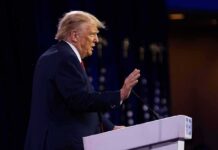
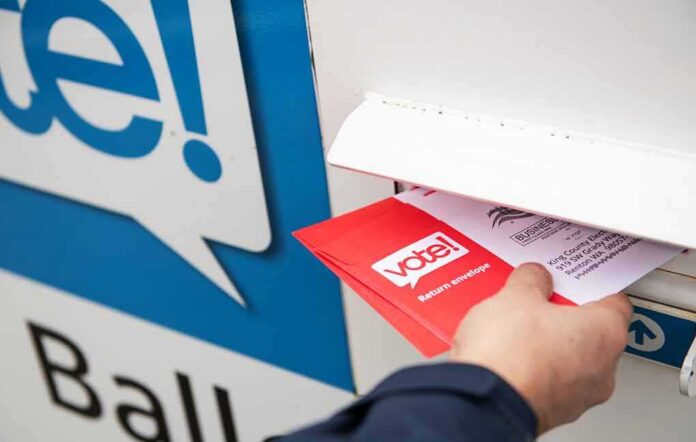
The Vatican confirmed that Pope Leo XIV cast a U.S. ballot by mail, breaking historic precedent and raising fresh questions about Vatican political neutrality.
Story Highlights
- The Holy See said Pope Leo XIV mailed a ballot in Chicago for the U.S. midterm elections.
- Major outlets reported he is the first pope to vote in a U.S. election.
- Reports say he remains a U.S. citizen and is registered to vote in Illinois.
- The Vatican framed it as private civic duty, not an endorsement.
Vatican Confirms A First: A Sitting Pope Voted In A U.S. Election
The Holy See Press Office said Pope Leo XIV “submitted his mail-in ballot in Chicago,” and Vatican News added he exercised his right as a United States citizen. CBS News and the Associated Press reported this marks the first time a pontiff has voted in a U.S. election, making the act historic and highly visible. The confirmation leaves no doubt that this was an actual papal act, not a technicality of dual status or old paperwork. The ballot’s contents remain secret, as with every voter.
CNN and other outlets noted the pope still holds American citizenship and remains on Illinois voter rolls, tying the event to a live electoral link with U.S. politics. CBS News cited Illinois records confirming registration in Cook County, while other reporting identified registration in New Lenox, reflecting consistent ties to the Chicago area. The simple fact of a sitting pope actively entering an American election—however privately—creates an appearance challenge for an institution that stresses global reach and careful diplomatic balance.
Neutrality Versus Private Civic Rights: The Line Gets Thinner
The Vatican’s statement presented the vote as a normal civic right and part of the pope’s long-standing practice when eligible, not a move to pick sides. That framing stresses the difference between a citizen’s private vote and an institution’s partisan push. Available reports do not show any endorsement, campaign order, or policy shift linked to the ballot. Still, this election will shape national leadership, and several outlets highlighted those stakes, which increases the risk that observers read the vote as a signal anyway.
Because this step is new in U.S. history, critics point to a neutrality gap. The material does not cite a canon-law ban or a formal Holy See rule that bars private voting by a pope. It does show the Vatican decided to confirm the act publicly and invoke civic duty. That choice invites extra attention. When a global faith leader takes part in one nation’s election, even discreetly, the symbolism can outweigh the legal right. That is the appearance problem conservatives know well from years of politicized institutions.
What Records Say, And What They Do Not Say
Reporting confirms participation and registration facts. It does not confirm which candidates or policies the pope supported. Election records protect the secret ballot, and outlets underscored that we do not know his choices. Some stories mention past primary-ballot selections by his earlier identity, which can spark partisan guessing. However, those records still do not reveal general-election votes or specific candidates backed. The claim that the act itself changed Vatican diplomacy is also not supported by the sources.
🚨 BREAKING: Pope Leo XIV votes in a U.S. election — the first sitting pope in history to do so. A historic first that raises hard questions about Vatican neutrality. Is this a democratic milestone or a break from centuries of precedent?
— Dino Vibes Daily (@DinoLeadingNews) October 30, 2026
For readers who value clear rules, this is the rub: the act is legal and private, yet it becomes public and political because the Vatican confirmed it and the moment is historic. The Associated Press framed the vote as part of an election deciding America’s political future, which only amplifies the signal. Many faithful want their church apart from Washington’s brawls. They expect pastoral guidance on life, family, and religious freedom, not hints of partisan lean. That is why even a private ballot by a pope can feel like a step onto a slippery slope.
Why It Matters For American Conservatives
American conservatives have watched powerful institutions grow cozy with elite agendas that undercut faith, family, and national sovereignty. When any global leader edges into our elections, the risk of mission drift grows. Here, no evidence shows an endorsement or a command to sway U.S. voters. But a first is still a first, and firsts reshape norms. If the world’s most visible shepherd can vote in our contests, activists may press harder to pull the church into partisan fights that divide believers and blur core teaching.
Two ideas can be true at once. A citizen, even a pope, can have a right to vote. A church that serves the whole world must guard its stance above the political fray. The reporting confirms the vote happened and remains private. It does not show institutional meddling. Still, the symbolism is powerful, and the timing is charged. For those who care about faith’s freedom in America—and the space to defend life, protect families, and secure our rights—the safest path is bright-line neutrality by spiritual leaders, with moral teaching clear and politics kept at arm’s length.
Sources:
lifesitenews.com, vaticannews.va, 5newsonline.com, ansa.it, us.cnn.com, wisn.com